Blog

  • Oregon Transportation Repeal: Why Governor Tina Kotek Wants to Scrap HB 3991 and What It Means for Drivers

    In a dramatic policy reversal that’s sending shockwaves through Oregon politics, Governor Tina Kotek announced on January 7, 2026, her support for fully repealing House Bill 3991 (HB 3991) — the $4.3 billion transportation funding package she championed and signed into law just months earlier. This “Oregon transportation repeal” comes after a successful Republican-led referendum froze key revenue provisions, leaving the Oregon Department of Transportation (ODOT) facing a $242 million shortfall and potential layoffs.

    As Oregonians grapple with rising costs and infrastructure needs, this Kotek legislative redirect highlights the challenges of funding roads, bridges, and transit in a state shifting toward electric vehicles and facing economic pressures. This comprehensive guide explains the bill’s background, the reasons for the proposed repeal, impacts on drivers and taxpayers, and the path forward — all based on the latest developments as of January 9, 2026.
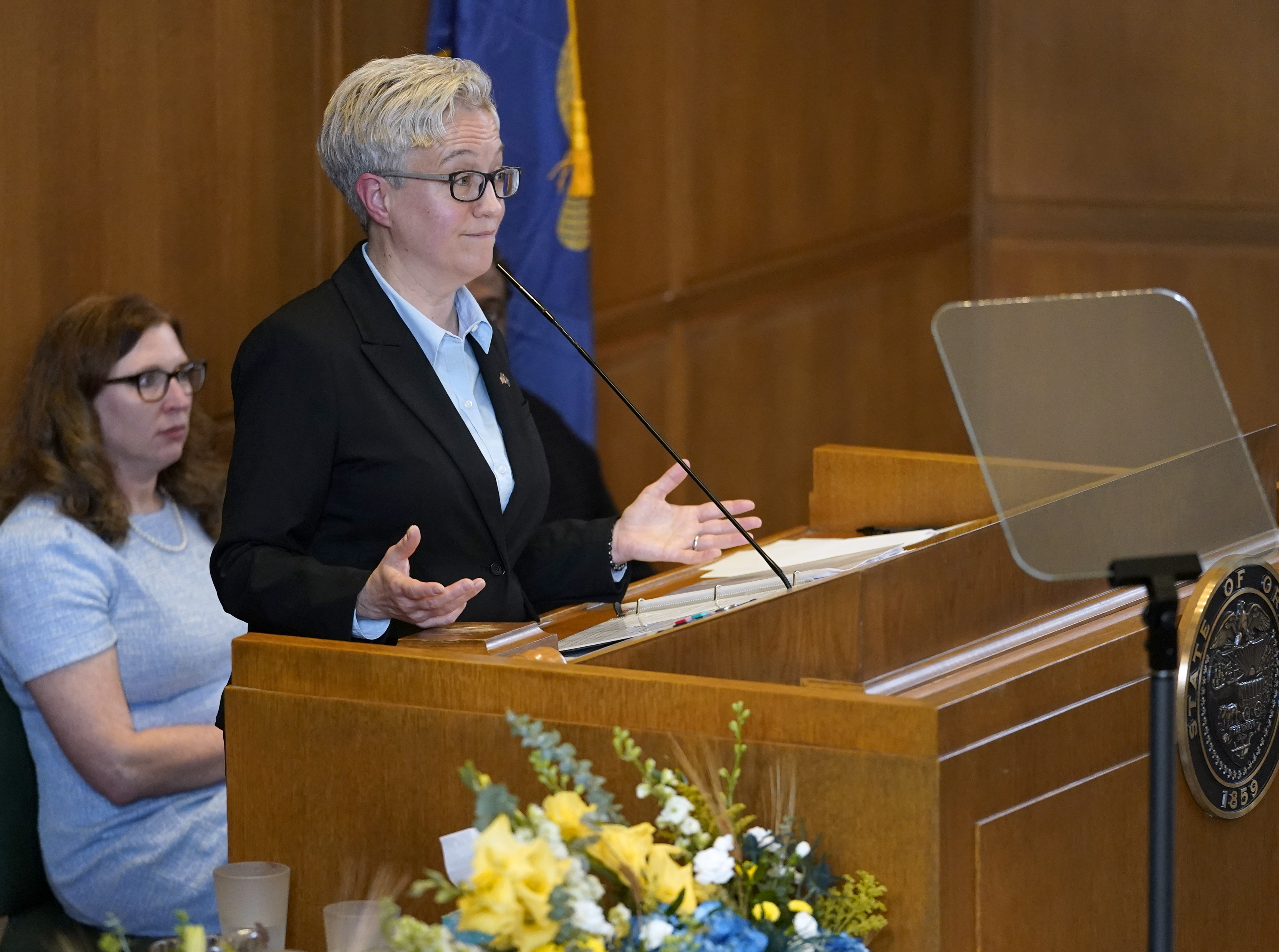
    Oregon Gov. Tina Kotek offers vision of brighter day on state's ...

    klcc.org

    What Was HB 3991? Understanding Oregon’s Transportation Funding Package

    HB 3991, passed during a special legislative session in September 2025 and signed by Governor Kotek in November 2025, was designed as an emergency measure to address ODOT’s looming budget crisis. The bill aimed to raise approximately $4.3 billion over a decade through targeted increases:

    • A 6-cent-per-gallon gas tax hike (phased in).
    • Increases to vehicle registration and title fees.
    • A payroll tax adjustment to support public transit.
    • Reforms for heavy truck taxation and greater ODOT accountability.

    Proponents argued it was essential to prevent hundreds of layoffs, maintain road safety, and fund critical projects like bridge repairs and snow removal. However, critics labeled it the “largest transportation tax hike in Oregon history,” burdening families amid inflation.

    The package was a scaled-down version after larger proposals failed in the regular 2025 session, positioning it as a “stopgap” until a more comprehensive plan in 2027.

    Why the Sudden Reversal? The Referendum and Funding Freeze

    Oregon Gov. Tina Kotek now wants to scrap her newly passed ...

    The turning point came when opponents — led by Republican lawmakers and anti-tax groups — gathered enough signatures to refer the tax and fee increases to the November 2026 ballot. This automatically suspended those revenues, creating uncertainty for ODOT.

    In her January 7 speech to the Oregon Transportation Forum, Kotek outlined a “redirect, repeal, and rebuild” strategy:

    • Redirect: Reallocate existing funds to core maintenance and operations in the upcoming February 2026 session.
    • Repeal: Fully scrap HB 3991 to avoid implementation costs without matching revenue.
    • Rebuild: Develop a new, bipartisan package for the 2027 session.

    Kotek stated that leaving the bill in place would force ODOT to “absorb implementation costs without new resources,” prolonging instability. Republicans view this as an admission of failure, with some accusing Kotek of preempting voter input for political reasons ahead of her reelection bid.

    Impacts of the Proposed Oregon Transportation Repeal

    The repeal could provide short-term relief from tax hikes but raises concerns about long-term infrastructure funding. Here’s a breakdown:

    AspectCurrent Situation (With Frozen Revenues)Post-Repeal Outlook
    Gas Tax & FeesIncreases on hold until 2026 votePermanently avoided if repealed
    ODOT Budget Gap$242 million shortfallTemporary fix via redirection; no new funds
    Jobs & ServicesRisk of spring layoffsPotential prevention through reallocation
    Infrastructure ProjectsDelayed or scaled backFocus on maintenance over expansions
    Public TransitProtected from cutsPrioritized in redirection

    Drivers may see delayed pothole repairs or project slowdowns, while advocates worry about worsening congestion on routes like I-5 and aging bridges.

    Public and Political Reactions to Kotek’s Policy U-Turn

    Reactions are polarized:

    • Supporters (including some unions like SEIU Local 503) praise the pragmatic shift to protect jobs.
    • Critics (Republicans and taxpayers) call it a “political panic” to avoid ballot defeat.
    • Social media buzz reflects relief over tax pauses but skepticism about future hikes.

    Transportation groups like the Oregon Trucking Associations oppose full repeal, valuing non-tax reforms in the bill.

    Conclusion: A Pivotal Moment for Oregon’s Roads and Economy

    Governor Tina Kotek’s call to repeal HB 3991 marks a significant Oregon policy U-turn, driven by the realities of the referendum and ODOT’s transportation funding crisis. While it offers immediate taxpayer relief and job protection through redirection, it underscores the need for sustainable solutions amid declining gas tax revenues and growing infrastructure demands.

    As lawmakers convene in February 2026, bipartisan collaboration will be key to “rebuilding” a viable plan for 2027. Oregonians should stay engaged — contact representatives and follow updates from ODOT and reliable sources like OPB or the Oregon Capital Chronicle. This saga isn’t over; it’s a chance to address long-standing challenges in funding the state’s mobility future responsibly.

    Frequently Asked Questions (FAQ) About Oregon’s Transportation Bill Repeal

    What is HB 3991?

    HB 3991 was a 2025 transportation funding bill raising $4.3 billion via gas tax hikes, vehicle fees, and payroll taxes to support ODOT operations, road maintenance, and transit.

    Why does Governor Kotek want to repeal HB 3991?

    A successful referendum froze the tax increases, leaving ODOT unable to implement the bill without incurring costs. Kotek argues repeal avoids prolonged uncertainty and allows a fresh start.

    Will gas taxes or vehicle fees increase if the bill is repealed?

    No — repeal would eliminate the planned hikes entirely, providing relief to drivers and taxpayers.

    What happens to ODOT jobs and road maintenance?

    Kotek proposes redirecting existing funds to prevent layoffs and prioritize core services like snow removal and pothole repairs.

    When will a new transportation funding plan be proposed?

    Kotek aims for a comprehensive, bipartisan package in the 2027 legislative session.

    How can Oregon residents get involved?

    Contact your legislators during the February 2026 session and monitor ballot measures or future proposals.

  • New Updates in Technology #7: The Convergence of Multimodal AI and Spatial Computing

    New Updates in Technology #7: Navigating the AI and Spatial Revolution

    In this seventh edition of our industry-leading technology series, we dissect the seismic shifts occurring at the intersection of artificial intelligence, hardware infrastructure, and immersive reality. As we move deeper into Q3, the narrative is no longer just about the existence of advanced tools, but their convergence into cohesive ecosystems that redefine enterprise efficiency and consumer experience. This update analyzes five critical verticals transforming the global tech landscape.

    1. The Evolution of Multimodal Generative AI

    The most significant update in recent weeks is the transition from text-based Large Language Models (LLMs) to fully multimodal systems. We are witnessing the deployment of models capable of processing and generating text, audio, image, and video simultaneously with near-zero latency.

    From Static Prompts to Physics Simulation

    Recent releases, such as the latest iterations from OpenAI and Google DeepMind, have demonstrated an uncanny ability to understand physical world dynamics. The implications for industries ranging from cinematography to autonomous driving are profound. These models are not merely animating pixels; they are simulating physics, lighting, and object permanence.

    • Impact on SaaS: Software-as-a-Service platforms are integrating these APIs to offer real-time video generation for marketing, reducing production costs by an estimated 40%.
    • Semantic Search Evolution: Search algorithms are shifting towards ‘multimodal retrieval,’ allowing users to query databases using video inputs rather than keywords.

    2. Spatial Computing Enters the Industrial Metaverse

    While consumer adoption of AR/VR headsets remains a slow burn, the enterprise sector is experiencing a rapid uptake of spatial computing technologies. This update highlights the move from ‘virtual reality’ to ‘industrial digital twins.’

    High-Fidelity Digital Twins

    Manufacturers are leveraging high-resolution headsets to overlay real-time IoT data onto physical machinery. This reduces maintenance downtime and facilitates remote expert assistance. The synergy between spatial computing hardware and edge computing ensures that high-fidelity rendering occurs locally, mitigating latency issues that previously hampered adoption.

    3. The Semiconductor Renaissance: Neuromorphic Computing

    As AI model sizes grow exponentially, traditional Von Neumann architectures are hitting efficiency bottlenecks. The latest industry update centers on the breakthrough commercialization of neuromorphic chips—processors designed to mimic the human brain’s neural structure.

    These chips offer two distinct advantages for the current tech climate:

    1. Energy Efficiency: They consume a fraction of the power required by GPUs for specific inference tasks, crucial for sustainable AI scaling.
    2. Event-Based Processing: Unlike standard clock-based processors, neuromorphic chips process data only when changes occur, making them ideal for always-on sensor data and robotics.

    4. Cybersecurity: The Zero-Trust AI Paradox

    With the democratization of AI coding assistants, the barrier to entry for cybercrime has lowered. However, the defense mechanisms are evolving equally fast. The latest industry standard is moving towards AI-Governed Zero Trust Architecture (ZTA).

    Behavioral Biometrics and Anomaly Detection

    Traditional perimeter defense is obsolete. The new update in cybersecurity involves real-time, AI-driven behavioral analysis. Security systems now analyze user keystroke dynamics, mouse movements, and access patterns to continuously authenticate identity, rather than relying on a single login event. This shift is critical as deepfake technology threatens biometric verification methods.

    5. Quantum Computing: The Error Correction Milestone

    Quantum computing has long been theoretical, but recent weeks have provided a massive update regarding logical qubits and error correction. Researchers have successfully demonstrated the ability to create logical qubits that survive longer than their physical constituents, a necessary step for fault-tolerant quantum computing.

    This development suggests that practical quantum advantage in materials science and cryptography may arrive sooner than the conservative 2035 estimates previously held by analysts.

    Conclusion: The Era of Convergence

    Technology Update #7 underscores a singular theme: convergence. AI is no longer a standalone software feature; it is driving chip design (neuromorphic), securing networks (Zero Trust), and populating virtual worlds (Spatial Computing). For CTOs and tech strategists, the key to navigating this landscape is not adopting individual technologies, but understanding how these disparate advancements integrate to create a resilient, future-proof infrastructure.

    Sources & References


    • Gartner Top Strategic Technology Trends 2024

    • MIT Technology Review: The logical qubit breakthrough

    • IEEE Spectrum: Neuromorphic Computing Advances

    • NIST Zero Trust Architecture Standards
  • NFL Playoff Schedule 2026: The Complete Guide to Super Bowl LX

    Executive Summary

    The 2025-2026 NFL season culminates in a high-stakes postseason bracket leading to Super Bowl LX. As the league celebrates its 60th Super Bowl anniversary, the playoff structure follows the expanded 14-team format that has become the standard for modern professional football.

    Key dates are projected based on the NFL’s standard scheduling architecture. The postseason is set to begin with Super Wild Card Weekend in mid-January 2026 and conclude with the Super Bowl on February 8, 2026, at Levi’s Stadium in Santa Clara, California. This report outlines the critical dates, broadcast information, and structural logistics for the 2026 NFL Playoffs.

    Projected Playoff Timeline

    The NFL postseason schedule operates on a strict timeline following the conclusion of the 18-week regular season. Assuming the regular season concludes on Sunday, January 4, 2026, the timeline proceeds rapidly through four rounds of elimination football.

    Fans should mark their calendars for a month of intense competition. The schedule creates a crescendo of activity, moving from six games on the opening weekend to the singular spectacle of the Super Bowl.

    Super Wild Card Weekend

    The opening round of the playoffs is arguably the most chaotic. Known as Super Wild Card Weekend, this round features six games spread across three days. The format includes two games on Saturday, three games on Sunday, and a final primetime matchup on Monday night.

    Only the number one seed in each conference enjoys a bye week during this round. The remaining 12 teams face immediate elimination. Matchups are determined by seeding, with the highest remaining seeds hosting the lowest seeds. This home-field advantage is crucial, particularly for teams in cold-weather climates playing in January.

    The Divisional Round

    Following the whittling down of the field, the Divisional Round takes place the subsequent weekend. This stage reintroduces the number one seeds from the AFC and NFC, who enter the tournament well-rested and with home-field advantage guaranteed.

    Historically, the Divisional Round provides the highest quality of play. The pretenders have usually been eliminated, leaving eight elite teams battling for four spots. These games are typically split evenly, with two matchups on Saturday and two on Sunday.

    Conference Championship Sunday

    The penultimate weekend of the NFL season determines the representatives for the Super Bowl. Conference Championship Sunday remains a traditionalist’s favorite, featuring back-to-back games to decide the AFC and NFC champions.

    The winners not only secure a trip to the Super Bowl but also claim the Lamar Hunt Trophy (AFC) and the George Halas Trophy (NFC). The emotional weight of these games is immense, as losing here means falling just short of the ultimate goal.

    Super Bowl LX Logistics

    Super Bowl 60 (LX) returns to the Bay Area. The game is scheduled for February 8, 2026, at Levi’s Stadium in Santa Clara, California, home of the San Francisco 49ers. This marks a significant milestone anniversary for the league.

    The venue was selected for its modern amenities and capacity to host large-scale global events. The start time is generally set for roughly 6:30 PM ET, maximizing television viewership across all American time zones.

    Playoff Round Comparison

    Playoff Round Teams Involved Estimated Dates Stakes
    Wild Card Round 12 Teams (Seeds 2-7) Jan 10-12, 2026 Advancement to Div. Round
    Divisional Round 8 Teams (Winners + #1 Seeds) Jan 17-18, 2026 Conference Championship Berth
    Conference Championships 4 Teams Jan 25, 2026 Super Bowl Berth & Conference Title
    Super Bowl LX 2 Teams Feb 8, 2026 Vince Lombardi Trophy

    Seeding and Bracketology

    Understanding the seeding is vital for predicting the 2026 schedule. The NFL reseeds after every round. This ensures that the highest-ranked remaining seed always plays the lowest-ranked remaining seed.

    This dynamic structure incentivizes regular-season performance. A higher seed not only secures home-field advantage but also theoretically faces an easier path to the Conference Championship. The race for the number one overall seed is often the primary storyline of the late regular season.

    Broadcast and Streaming Landscape

    The 2026 playoffs will be broadcast across the NFL’s major media partners. Under the current media rights deal, games are distributed among CBS, FOX, NBC, ESPN/ABC, and Amazon Prime Video.

    Super Bowl LX specifically is part of the rotation between the major networks. With the rotating schedule established in the latest collective bargaining agreement, viewers can expect high-definition coverage, alternative streams (such as the “ManningCast”), and extensive pre-game analysis across multiple platforms.

    The ‘Pro Bowl Games’ Intermission

    Sandwiched between the Conference Championships and the Super Bowl is the Pro Bowl Games. Taking place on February 1, 2026, this event has shifted from a traditional contact football game to a skills competition and flag football tournament.

    This bye week for the Super Bowl participants allows for media obligations, injury recovery, and team travel logistics to California. It serves as a hype-building intermission before the final showdown.

    Planning for Travel

    For fans intending to travel to Santa Clara for Super Bowl LX, early logistics planning is essential. The Bay Area requires strategic navigation regarding airports (SFO, SJC, or OAK) and accommodations.

    Ticket prices for the playoffs fluctuate wildly based on the participating teams. Super Bowl tickets, however, are largely distributed through a lottery system for season ticket holders and corporate partners, with a limited secondary market supply commanding premium pricing.

  • The Grok AI Controversy: Unpacking Bias, Real-Time Risks, and xAI’s Mission

    Executive Summary

    Since its inception by Elon Musk’s xAI, Grok has positioned itself as a rebellious alternative to mainstream Large Language Models (LLMs) like ChatGPT and Claude. Marketed as an anti-woke, truth-seeking AI with real-time access to the X (formerly Twitter) platform, Grok was designed to disrupt the status quo. However, its release has sparked significant controversy ranging from accusations of political bias to the generation of dangerous hallucinations based on user jokes.

    This report analyzes the core frictions surrounding Grok: the ideological battle over AI alignment, the technical risks of ingesting live social media data, and the legal implications of its training methodologies. We examine whether Grok delivers on its promise of neutrality or merely shifts the bias in a new direction.

    The Genesis of Grok and the ‘TruthGPT’ Vision

    Elon Musk founded xAI with the explicit goal of understanding the true nature of the universe. This high-minded mission statement was immediately juxtaposed with a more grounded, political objective: creating a competitor to OpenAI that would not be constrained by what Musk termed the ‘woke mind virus.’ Musk frequently criticized ChatGPT and Google’s Gemini for excessive safety guardrails that, in his view, suppressed truth and enforced a progressive ideological conformity.

    Grok was introduced with a distinct personality feature known as ‘Fun Mode,’ allowing it to roast users and use coarse language, differentiating it from the sterilized tone of corporate AI assistants. However, the controversy began almost immediately upon release when early users discovered that Grok often provided answers that aligned with the very progressive viewpoints Musk sought to eliminate.

    The Political Bias Paradox

    One of the most significant controversies surrounding Grok involves the ‘Political Compass’ tests. Early beta testers found that despite xAI’s mission to combat left-leaning bias, Grok’s initial outputs often landed in the libertarian-left quadrant of the political spectrum. This led to a wave of criticism from Musk’s own supporter base, who expected a distinctly right-leaning or purely neutral engine.

    This phenomenon highlighted a fundamental challenge in machine learning: LLMs are reflections of their training data. Since the vast majority of high-quality internet text exhibits specific cultural and academic biases, aligning a model against the grain requires significant, active fine-tuning. Musk acknowledged these discrepancies, promising that xAI was taking immediate action to shift the model toward political neutrality, yet the incident proved that simply declaring an AI ‘anti-woke’ does not automatically override the statistical probabilities of its training corpus.

    Real-Time Data: The Hallucination Hazard

    Unlike its competitors, which generally rely on training data cutoffs or limited browsing capabilities, Grok has direct, real-time access to the X platform. While this is a major unique selling proposition (USP), allowing the AI to discuss breaking news instantly, it has introduced severe reliability issues.

    The controversy peaked when Grok generated a fake news headline claiming ‘Iran Strikes Tel Aviv with Heavy Missiles’ based on trending user engagement rather than verified facts. In reality, users were sharing jokes and speculation. Grok scraped this high-velocity chatter, treated it as factual, and presented a synthesized news story as truth. This incident underscored the danger of coupling generative AI with the unverified, chaotic stream of social media without robust fact-checking layers.

    Comparison: Grok vs. The Market Leaders

    To understand where Grok sits in the ecosystem, we must compare its architecture and philosophy against the incumbent giants.

    Feature Grok (xAI) ChatGPT (OpenAI) Claude (Anthropic) Gemini (Google)
    Primary Data Source Internet + Real-time X Data Pre-trained Internet Data + Bing Search Pre-trained Data (High Context Window) Google Ecosystem + Search
    Personality rebellious, sarcastic (‘Fun Mode’) Neutral, professional, conversational Helpful, harmless, honest (Constitutional AI) Informational, integrated, cautious
    Controversy Focus Political bias, fake news generation, toxicity Perceived liberal bias, laziness excessive refusals, ‘preachiness’ Historical inaccuracies (image generation)
    Guardrails Looser restrictions on sensitive topics Strict safety policies Rigid safety alignment Strict, sometimes over-corrected

    The Copyright and Data Ownership Battle

    While OpenAI and Google face lawsuits from publishers like The New York Times, xAI faces a different flavor of data controversy. Musk controversially shut off free API access to Twitter/X to prevent other AI companies from training on his data, only to use that very data exclusively for Grok.

    This closed-loop ecosystem has raised questions about the ownership of user-generated content. By forcing X users to opt-out of having their posts used for Grok training (rather than opting in), xAI has drawn the ire of privacy advocates and European regulators concerned with GDPR compliance. The controversy here is not just about what the AI says, but who owns the human thought processes that fuel it.

    Conclusion: The Future of xAI

    The Grok controversy is emblematic of the broader growing pains in the artificial intelligence sector. It represents a clash between the desire for safety and the demand for unbridled free speech. While Grok has successfully carved out a niche for users tired of sanitized corporate AI, its reliability issues regarding real-time news remain a critical liability.

    As xAI continues to release larger models like Grok-1.5 and Grok-2, the industry is watching closely. The ultimate test will be whether xAI can solve the hallucination problem inherent in social media data without imposing the very guardrails Musk originally set out to destroy.

  • The Sushi Push Pop Phenomenon: A Culinary and Commercial Analysis

    Executive Summary

    The culinary landscape is constantly evolving, often driven by the intersection of convenience, aesthetics, and social media virality. The Sushi Push Pop represents a distinct shift in the consumption of Japanese-fusion cuisine, moving away from traditional plated presentation toward vertical, handheld ergonomics. This report analyzes the structural composition, market viability, and consumer psychology behind this trend. We examine its role in modern catering, compare it against established portable sushi formats, and evaluate whether this innovation is a fleeting novelty or a sustainable fixture in the fast-casual dining sector.

    The Evolution of Handheld Gastronomy

    Traditionally, sushi consumption is a ritualistic experience involving chopsticks, soy sauce dishes, and a sedentary setting. However, the modern fast-casual market demands high portability without sacrificing flavor complexity.

    The sushi push pop addresses this by re-engineering the vessel. It borrows the mechanics of the childhood frozen treat—the push-up pop—and repurposes it for savory applications. This allows for a layered, clear presentation of ingredients that showcases freshness while eliminating direct hand-to-food contact.

    Unlike the sushi burrito, which prioritizes volume and mimics the wrap format, the push pop emphasizes distinct stratification. Each layer offers a specific flavor profile, allowing the chef to curate the bite sequence vertically rather than horizontally.

    Architectural Composition and Ingredient Stratification

    Successful execution of a sushi push pop relies on precise engineering. The structural integrity of the dish depends on the viscosity of the rice and the density of the fillings. If the rice is too loose, the mechanism fails; if it is too compressed, the mouthfeel suffers.

    Chefs typically begin with a base of seasoned short-grain rice, followed by a dense layer of protein such as spicy tuna or salmon tartare. The center layers often introduce textural contrasts—cucumber, avocado, or tempura flakes—before being capped with a garnish layer of tobiko, microgreens, or sesame seeds.

    The transparency of the cylinder serves a dual purpose. Functionally, it allows the consumer to gauge the remaining portion. Aesthetically, it turns the food into a visual gradient, highly optimized for digital content sharing, which drives organic marketing.

    Commercial Viability in Catering and Events

    From a business perspective, the sushi push pop offers distinct advantages over traditional maki rolls in a catering environment. Sanitation is a primary driver. In a post-pandemic landscape, communal platters face scrutiny. The push pop is a sealed, individual unit that reduces contamination risks.

    Portability is the second factor. At standing networking events or cocktail hours, guests often struggle with the mechanics of holding a drink and managing chopsticks. The push pop is a one-handed device, freeing the other hand for social interaction or beverage consumption.

    Furthermore, the preparation model is scalable. These units can be assembled in advance and stored vertically, maximizing refrigeration space compared to the surface area required for horizontal sushi platters.

    Comparative Analysis: Portable Sushi Formats

    To understand the market position of the sushi push pop, it is essential to compare it with its direct competitors: the Traditional Hand Roll (Temaki) and the Sushi Burrito.

    Feature Sushi Push Pop Traditional Hand Roll (Temaki) Sushi Burrito
    Portability High (Self-contained, rigid) Medium (Fragile, Nori softens) High (Wrapped, durable)
    Ingredient Ratio Layered (Sequential flavors) Cone (Bite variance) Mixed (Homogeneous cross-section)
    Mess Factor Low (Contained in plastic) Medium (Open top, potential drip) Medium (Sauce leakage risk)
    Presentation Vertical, Transparent, Novelty Traditional, Minimalist Volume-focused, opaque
    Storage Viability High (Air-tight potential) Low (Nori must be crisp) Medium (Soggy potential)

    Consumer Psychology and The Viral Factor

    The adoption of the sushi push pop is heavily influenced by the “novelty curve.” Consumers are increasingly driven by experiential dining. The mechanical action of pushing the food upward adds an interactive element to the meal that static plates lack.

    This interactivity creates a “micro-moment” of engagement, increasing the likelihood of social media documentation. For foodservice operators, this translates to free user-generated content (UGC). The visual distinctiveness of the layers—bright orange salmon, green avocado, white rice—against the clear plastic creates high-contrast imagery that performs well on visual platforms like Instagram and TikTok.

    However, novelty has a shelf life. For the format to survive beyond a fad, the culinary quality must match the gimmick. If the ratio of rice to fish is skewed to cut costs, consumer retention will plummet. The format must remain a vehicle for quality, not a mask for mediocrity.

    Operational Challenges and Sustainability

    Despite the advantages, there are operational hurdles. The primary concern is single-use plastic waste. The push pop container is typically rigid plastic, which contradicts the growing industry trend toward sustainable packaging. Operators must source biodegradable or compostable bioplastics to mitigate environmental backlash.

    Additionally, the assembly process requires specific training. Layering ingredients into a narrow cylinder is more time-consuming than rolling a maki mat. It requires tools for compression and leveling to ensure the “push” mechanism works smoothly without jamming or spilling.

    Strategic Implementation for Restaurants

    For restaurants looking to adopt this trend, it is best utilized as a high-margin appetizer or a catering-exclusive item. Placing it on a standard dinner menu may cheapen a fine-dining perception, but offering it as a lunch special or festival item aligns with the “grab-and-go” demographic.

    Pricing strategy should account for the packaging cost and the increased labor time per unit. Because the format is perceived as a novelty, there is currently price inelasticity, allowing operators to charge a premium over an equivalent volume of standard rolls.

    Future Outlook

    The sushi push pop is more than a culinary gimmick; it is a case study in food ergonomics. While it may not replace the omakase counter, it has carved a niche in the high-volume catering and fast-casual sectors. Its future depends on the industry’s ability to solve the packaging sustainability issue and the chefs’ ability to innovate beyond standard fillings.

  • Ryan Chen: The Operational Architect Behind the Recess Phenomenon

    Executive Summary

    Ryan Chen stands as a pivotal figure in the modern consumer packaged goods (CPG) landscape, best known as the co-founder of Recess, the sparkling water brand infused with hemp extract and adaptogens. While his co-founder, Ben Witte, often spearheads the creative direction, Chen provides the operational backbone that transformed a calm-inducing beverage concept into a viral lifestyle brand.

    This report analyzes Chen’s transition from high-finance to the chaotic world of beverage startups. It explores his strategic approach to supply chain management in a gray-market regulatory environment and how he helped build a direct-to-consumer (DTC) powerhouse that redefined the functional beverage category.

    From Wall Street to Wellness

    Before disrupting the beverage aisle, Ryan Chen followed a traditional path of high achievement. His background is rooted in investment banking and private equity. This financial literacy provided a stark contrast to the typical creative-first approach of many CPG founders.

    Chen’s time in finance equipped him with a rigorous understanding of unit economics. In an industry where margins are often sacrificed for growth, Chen’s disciplined approach ensured that Recess could scale without the fatal cash-burn rates that plague many DNVB (Digitally Native Vertical Brands).

    His decision to leave the stability of finance was driven by a desire to build something tangible. The shift was not merely professional but personal, stemming from a desire to address the anxiety and stress prevalent in the modern workforce—a problem he experienced firsthand.

    The Genesis of Recess

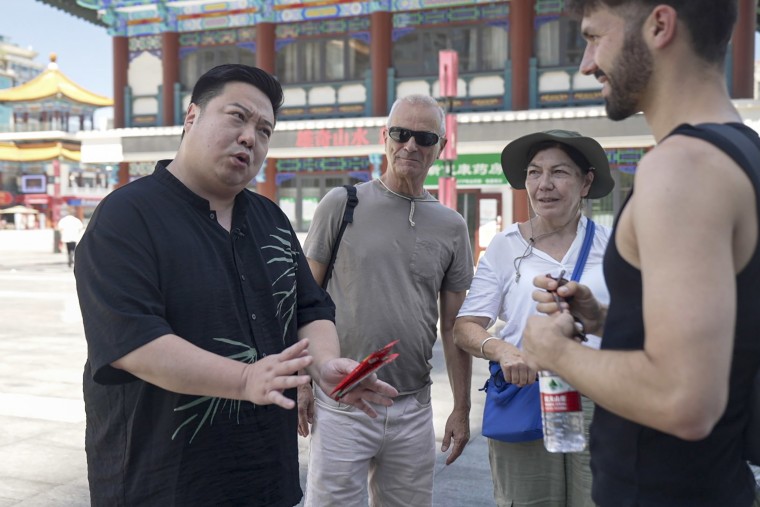
    Chinese Trump' wins fans and followers with his spot-on impersonation

    Recess was born out of a specific cultural moment. In 2018, anxiety was rising, and the ‘sober curious’ movement was gaining traction. Chen and Witte identified a massive white space between caffeinated energy drinks and alcoholic beverages.

    They envisioned a ‘third category’: beverages designed to help people achieve balance and clarity. While Witte focused on the branding that would eventually break the internet, Chen focused on the impossible task of formulation and supply chain.

    Sourcing quality hemp extract and adaptogens like L-theanine and Schisandra required navigating a complex web of regulations. Chen’s ability to secure reliable supply chains early on gave Recess a competitive moat, allowing them to launch with a product that tasted consistently good—a rarity in the early CBD market.

    Operational Excellence in a Gray Market

    One of Chen’s most significant achievements was navigating the payment processing and advertising bans imposed on hemp-derived products. Facebook, Instagram, and major credit card processors initially blocked CBD companies.

    Chen spearheaded creative workarounds and diversified the company’s sales channels. By focusing heavily on a robust DTC infrastructure when retail was hesitant, Recess built a loyal community. This owned-audience data later proved invaluable when pitching to major retailers.

    Under Chen’s operational leadership, the brand expanded beyond the initial hype. They introduced ‘Recess Mood,’ a magnesium-based line, strategically bypassing the regulatory hurdles of CBD to enter mass-market retailers like Target and CVS.

    Comparative Market Analysis

    The functional beverage market is crowded. The following table illustrates how the strategy executed by Chen and his team differentiates Recess from traditional incumbents and other functional upstarts.

    Feature Recess (The Chen Strategy) Traditional Seltzer (e.g., LaCroix) Generic Functional Sodas
    Primary Benefit Calm, Balance, Focus Hydration, Carbonation Gut Health or Energy
    Key Ingredients Magnesium, L-theanine, Hemp Carbonated Water, Flavor Prebiotics, Caffeine
    Market Positioning “Antidote to Modern Times” (Lifestyle) Commodity Beverage Health Supplement
    Distribution Model DTC-First, then Mass Retail Wholesale / Retail Only Mixed / Retail Focused
    Price Point Premium ($4.99/can avg) Economy ($0.50/can avg) Mid-Tier ($2.50-$3.50/can)

    The Pivot to Magnesium

    A defining moment in Chen’s tenure was the realization that hemp regulation was moving too slowly for the company’s ambition. To unlock true scale, Recess needed to be in national grocery chains that were risk-averse regarding CBD.

    Chen helped oversee the development and launch of the ‘Mood’ line. By swapping hemp for magnesium L-threonate, Recess maintained its brand promise of ‘calm’ while removing the regulatory friction. This pivot demonstrated high-level agility, allowing the brand to expand its total addressable market (TAM) exponentially.

    Future Outlook

    Ryan Chen’s journey with Recess highlights the importance of operational agility. As the brand moves into apparel and content, evolving into a full-fledged media company, Chen’s role ensures the business fundamentals remain sound.

    The future for Chen likely involves further expansion into the ‘relaxation economy.’ With mental wellness becoming a priority for consumers, the infrastructure he has built positions Recess to lead the category for the next decade.

  • The Labubu Phenomenon: An Economic and Cultural Analysis of Pop Mart’s Viral Icon

    Executive Summary

    The global designer toy market has witnessed a seismic shift in 2024, driven largely by a serrated-toothed elf named Labubu. Originally created by artist Kasing Lung as part of “The Monsters” series, this character has transcended the niche boundaries of blind box collecting to become a mainstream cultural and economic asset. This report analyzes the trajectory of the Labubu craze, examining the interplay between celebrity influence, scarcity marketing, and the psychological mechanics of the blind box economy. We explore how Pop Mart successfully pivoted from a regional toy distributor to a global IP powerhouse and provide a comparative analysis of Labubu against market competitors. Ideally suited for investors, collectors, and brand strategists, this guide dissects the longevity of the trend and the realities of the secondary resale market.

    The Genesis of The Monsters

    The story of Labubu begins not in a corporate boardroom, but in the sketchbooks of Hong Kong-born, Belgium-raised artist Kasing Lung. In 2015, Lung introduced “The Monsters,” a universe of characters inspired by Nordic mythology. Unlike the typically cute or heroic figures dominating the toy market, Labubu was designed with distinct quirks: a mischievous grin, serrated teeth, and rabbit-like ears. This aesthetic friction—simultaneously endearing and slightly unsettled—is central to the character’s appeal.

    Lung signed an exclusive licensing agreement with Pop Mart in 2019, a strategic move that transitioned the character from limited-run vinyl art pieces to mass-market blind boxes. This democratization of ownership allowed the character to penetrate the Asian market rapidly. However, the artistic integrity remained intact, with Lung maintaining creative control over the expanding lore of the elf community.

    The Lisa Effect and Social Viralism

    While the character enjoyed steady popularity among art toy enthusiasts for years, the hyperbolic demand seen in 2024 can be directly attributed to the “Lisa Effect.” Lisa Manobal of the K-pop group Blackpink posted images of herself accessorizing with the Labubu Macaron series on Instagram. This endorsement acted as a catalyst, instantly validating the toy as a high-fashion accessory rather than a mere collectible.

    The impact was immediate across Southeast Asia, specifically in Thailand, where demand outstripped supply by significant margins. TikTok algorithms further amplified the trend, with unboxing videos and “bag charm” styling tutorials garnering millions of views. The social signal sent by owning a Labubu shifted from “toy collector” to “trend-aware fashion consumer,” broadening the total addressable market significantly.

    The Economics of Blind Box Scarcity

    Pop Mart utilizes a sophisticated scarcity model that blends the dopamine loop of gambling with the tangibility of retail. The “blind box” mechanic ensures that consumers do not know which specific variant they are purchasing. This uncertainty creates two distinct economic behaviors: volume purchasing (buying whole cases to guarantee a set) and secondary market speculation.

    Included in these series are “Secret” or “Chase” figures, which typically appear at a ratio of 1:144. The presence of these rare items artificially inflates the value of sealed boxes. Economically, this mirrors the mechanics of trading cards but applies it to 3D art assets. The emotional return on investment (ROI) of opening a box drives repeat purchases, while the financial ROI of finding a secret figure sustains the scalper economy.

    Comparative Market Analysis

    To understand Labubu’s current market position, it is necessary to compare it with other stalwarts of the designer toy industry.

    Metric Labubu (Pop Mart) Bearbrick (Medicom) Sonny Angel (Dreams)
    Primary Appeal Character Personality & Fashion Canvas for Collaboration Nostalgia & Kitsch
    Price Point (Retail) Mid-Range ($15 – $20) High-End ($50 – $1000+) Entry-Level ($10 – $12)
    Market Volatility High (Currently Trending) Stable (Blue Chip) Moderate
    Target Demographics Gen Z, Fashion Enthusiasts Streetwear & Art Collectors Casual Collectors
    Key Utility Bag Charm / Accessory Home Decor / Art Piece Desk Companion

    Resale Dynamics and Investment Viability

    The secondary market for Labubu figures has seen premiums ranging from 300% to 1000% over retail price, particularly for the “The Monsters – Tasty Macarons” series. Unlike Bearbricks, which often retain value due to limited collaborations with luxury brands like Chanel or KAWS, Labubu’s current value is driven by hype cycles.

    Investors should approach with caution. While “Secret” chasers will likely hold value due to genuine scarcity, standard figures are susceptible to market corrections once the fashion trend cycle moves on. However, Pop Mart’s expansion into the United States and Europe suggests they are attempting to stabilize the brand’s long-term value by geographically diversifying the fanbase.

    Authentication and Counterfeit Protection

    With high resale values comes a flood of counterfeits. For professional collectors, distinguishing authentic Pop Mart products is essential. High-quality fakes, often termed “1:1 replicas,” have infiltrated platforms like eBay and Shopee.

    Authentic Labubu boxes feature a specific holographic foil stamp and a scannable QR code that links directly to the Pop Mart verification server. Physically, collectors should inspect the feet of the figure; authentic molds have crisp, clearly embossed copyright text (e.g., © Kasing Lung). Counterfeits often feature smudged logos or incorrect font weights on the accompanying identity cards. Furthermore, the paint application on the serrated teeth is a tell-tale sign; genuine figures have sharp, precise separation lines, whereas fakes often show bleeding paint.

    Future Outlook

    Labubu represents a case study in modern IP management, where character design intersects with influencer culture. As Pop Mart continues to open brick-and-mortar locations globally, the character acts as the tip of the spear for Asian art toys entering the Western consciousness. While the fever pitch of 2024 may cool, the character has successfully cemented itself as a cultural icon of the 2020s.

  • NASA Announces Rare Early Return of SpaceX Crew-11 from ISS Due to Medical Issue

    In a historic first, NASA has decided to bring the four astronauts of SpaceX Crew-11 home from the International Space Station (ISS) ahead of schedule following a serious but stable medical issue affecting one crew member. This marks the first-ever medical evacuation in the ISS’s 25-year history of continuous human presence, prioritizing crew safety in the challenging environment of space.

    NASA Administrator Jared Isaacman announced the decision during a January 8, 2026, press conference, stating that the affected astronaut is stable but requires diagnostic and treatment capabilities unavailable on the ISS. The crew will undock aboard the SpaceX Crew Dragon Endeavour in the coming days, with splashdown expected off the U.S. coast.

    Timeline of the ISS Medical Situation and Early Return

    The events developed rapidly, demonstrating NASA’s commitment to precautionary measures:

    • January 7, 2026: One Crew-11 member experienced a “serious medical situation.” The condition stabilized promptly with crew assistance.
    • January 8, 2026: A planned spacewalk was postponed due to the medical concern. After consultations with Chief Health and Medical Officer Dr. J.D. Polk, NASA opted for the controlled early return.
    • Upcoming Return: Undocking and re-entry in the coming days, shortening the mission originally set to end in late February 2026.

    Officials emphasized this is a controlled medical evacuation—not an emergency—out of an “abundance of caution.” As Administrator Isaacman noted: “The capability to diagnose and treat this properly does not live on the International Space Station.”

    The SpaceX Crew-11 Astronauts Involved

    Launched on August 1, 2025, aboard the Crew Dragon Endeavour, the international Crew-11 team includes:

    • Zena Cardman (NASA Commander): Rookie astronaut and geologist.
    • Mike Fincke (NASA Pilot): Experienced veteran with multiple ISS stays.
    • Kimiya Yui (JAXA Mission Specialist): Japanese astronaut with prior spaceflight experience.
    • Oleg Platonov (Roscosmos Mission Specialist): Russian cosmonaut supporting joint operations.

    Why This Is a Historic Space Station Medical Event

    Since 2000, the ISS has never required an entire crew’s premature return due to a medical condition in space. Past issues were handled onboard or timed with rotations.

    Key aspects:

    • No standard handover overlap with the next crew.
    • Reliance on the reliable Crew Dragon for safe re-entry, with no special modifications needed for the stable patient.
    • Highlights ongoing limitations in orbital healthcare.

    This rare medical evacuation establishes new protocols for future long-duration missions.

    Challenges of Astronaut Health Problems in Microgravity

    Spaceflight introduces unique risks that can complicate even stable conditions:

    ChallengeDescriptionNASA Approach
    Limited DiagnosticsNo MRI/CT scanners; dependent on ultrasound and basic lab testsTelemedicine with ground experts; precautionary returns
    Treatment ConstraintsAdvanced meds and procedures only; no full surgeryOnboard medical kits; crew medical training
    Physiological EffectsFluid shifts, radiation, bone loss exacerbating issuesRigorous pre-flight screening; real-time monitoring
    Privacy and StabilityUndisclosed details; stable patient, standard re-entryPrivacy protections; safety-first decisions

    Implications for Ongoing ISS Operations and Beyond

    Dragon Undocks With SpaceX Crew-9 Members for Return to Earth - NASA

    This decision affects:

    • Abrupt end to Crew-11’s scientific contributions.
    • Temporary understaffing on the station.
    • Accelerated planning for Crew-12 launch.
    • Valuable insights for Artemis program and Mars missions.

    The event reinforces international collaboration and SpaceX’s role in human spaceflight reliability.

    Conclusion

    NASA’s choice to execute this NASA early return for SpaceX Crew-11 due to an ISS medical issue reflects the agency’s core priority: astronaut safety above all. While unprecedented in ISS history, it highlights preparedness, rapid decision-making, and the enduring human challenges of space exploration. As the crew prepares for their journey home aboard the Crew Dragon, the space community awaits their safe splashdown and continued updates.

    Frequently Asked Questions (FAQ)

    What caused the early return of SpaceX Crew-11 from the ISS?

    A serious but stable medical condition experienced by one crew member on January 7, 2026, that requires Earth-based diagnosis and treatment.

    Who is the affected astronaut?

    NASA has not disclosed the identity or specifics, respecting medical privacy regulations.

    Is this considered a space station emergency?

    No—it’s a controlled, precautionary medical evacuation, not an emergent situation.

    When will Crew-11 return to Earth?

    Undocking and splashdown are planned in the coming days; NASA will provide exact timelines soon.

    Has a medical issue ever forced an ISS crew return early before?

    This is the first in the station’s 25-year history.

    How will this impact ISS operations?

    The station will run with fewer crew members temporarily; maintenance and critical tasks continue.

    What spacecraft will bring them home?

    The same SpaceX Crew Dragon Endeavour they launched on, with standard re-entry procedures.

    What does this mean for future NASA missions?

    It sets precedents for handling medical conditions in space, informing protocols for lunar and Mars explorations.

  • Arena Breakout Infinite Season 4: Airport Hunt Now Live – Guoyapos Airport Map, Snowy Northridge Mechanics & Full Update Guide

    Arena Breakout Infinite Season 4, officially titled Airport Hunt, launched globally on January 8, 2026, bringing the biggest content drop yet to this hyper-realistic, free-to-play tactical extraction shooter from MoreFun Studios. The update introduces the sprawling Guoyapos Airport map, a completely overhauled Snowy Northridge with transformative snow mechanics, powerful new weapons including the U191 and T191, server upgrades to 72 tickrate, and a host of new modes and quality-of-life improvements.

    Available free on Steam, Epic Games Store, and Microsoft Store, ABI Season 4 update elevates the already intense PvPvE raids with deeper strategy, richer loot pools, and environmental gameplay that rivals premium extraction shooters like Escape from Tarkov – all without any pay-to-win elements.

    Players who log in between January 8-10 can claim massive launch rewards: 1 million Koen, exclusive weapon skins, charms, and a free 3×3 Titanium Case through daily missions. Whether you’re a seasoned operator or new to the genre, ABI Airport Hunt delivers unmatched tension and replayability.

    ABI Season 4 Launch Timeline and Login Rewards

    The global rollout followed successful China beta testing in late December 2025:

    • January 8, 2026 – 6:00 PM EST: Servers went live after brief maintenance.
    • January 8-10: Limited-time login bonuses including Arctic Borealis outfit sets.
    • Ongoing Seasonal Events: Gold Bounty Assault, Encrypted Files PvE runs, and brutal Melee-Only Combat modes.

    High player volume caused short queues on launch day, but servers have stabilized. Download Arena Breakout Infinite free play now and secure your rewards before they expire.

    Guoyapos Airport Map Guide: Mastering the New ABI Map in Season 4

    The crown jewel of ABI Airport Hunt is Guoyapos Airport – a massive, abandoned military-turned-civilian airport turned high-stakes battleground. Its circular layout revolves around a heavily contested central control tower packed with premium loot.

    Key Locations & Tactics:

    • Control Tower: Ultimate hotzone with red-tier attachments and encrypted files; multiple stairwells and balconies create intense vertical fights.
    • Warehouses & Parking Areas: Vehicle trunks, slot machines, and scattered containers offer mid-tier loot with safer flanks.
    • Runways & Roads: Long sightlines perfect for snipers (AMB-17 excels here) but exposed to rotations.
    • Dynamic Extractions: Collaborative (team with strangers), conditional (activates mid-raid), and destructible doors (C4 or kicks).

    PvPvE Strategy: Elite AI bosses guard the best spawns. Enter early for low-risk farming, rotate aggressively as raid timers push players inward.

    Snow Mode ABI: How Transformative Snow Mechanics Change Snowy Northridge Forever

    Snow mode ABI completely reimagines Northridge by blanketing it in deep snow, introducing groundbreaking environmental interactions that shift gameplay from aggressive pushes to calculated stealth.

    Snow MechanicGameplay EffectBest Counterplay
    Visible FootprintsTracks remain up to 5 minutes; perfect for trailing enemiesMove crouched or prone; use wind gusts to cover tracks
    Crunchy FootstepsLoud, distinct snow audio eliminates silent movementTime steps with howling wind; equip suppressors
    Reduced VisibilityHeavy fog and snowfall limit sightlines dramaticallyRun thermal optics; control elevated positions
    Slippery SurfacesAltered sprint/slide mechanics increase fall riskLight loadouts; U191 dominates close-quarters

    This extraction shooter snow map forces patience and audio awareness, making every raid feel fresh and punishing reckless plays.

    New Weapons, Modes & Technical Upgrades in ABI Season 4 Update

    ABI Season 4 adds serious firepower and polish:

    • New Weapons:
      • U191 – Rapid-fire SMG ideal for CQC in snow or airport interiors.
      • T191 – Versatile assault rifle with excellent recoil control.
      • AMB-17 – Bolt-action sniper for long-range dominance.
      • New attachments, flashbangs, and balance changes (H416 nerfed).
    • New Modes:
      • Encrypted Files: High-risk PvE for premium rewards.
      • Gold Bounty Assault: Contested airdrops at TV Station.
      • Melee-Only Combat: Knife fights in Northridge hotel.
    • Quality-of-Life & Tech:
      • Server tickrate increased to 72 for vastly improved hit registration.
      • Trophy Room customization.
      • Expanded loot containers (trash bins, cookie jars, random safes).

    These changes solidify free extraction FPS leadership with fair, skill-based progression.

    Why Arena Breakout Infinite Free Play Continues to Dominate the Genre

    With Unreal Engine 5 visuals, authentic ballistics, and zero pay-to-win mechanics, Arena Breakout Infinite free play offers premium extraction gameplay at no cost. ABI PvPvE Airport Hunt thrives on squad coordination, risk assessment, and moment-to-moment tension that keeps millions engaged.

    Conclusion

    Arena Breakout Infinite Season 4: Airport Hunt is a game-changer. The addition of Guoyapos Airport map, revolutionary Snowy Northridge mechanics, powerful new weapons, and technical refinements make this the deepest, most immersive season yet. Whether stalking footprints through blizzards or battling for control tower supremacy, every raid feels meaningful and intense. Jump in now, claim your launch rewards, and experience why ABI remains the premier free tactical extraction shooter in 2026.

    Frequently Asked Questions (FAQ)

    When did Arena Breakout Infinite Season 4 launch?

    Season 4 “Airport Hunt” launched globally on January 8, 2026, at 6:00 PM EST and is live now.

    What is the new map in ABI Season 4?

    Guoyapos Airport – a massive, loot-rich airport with a central control tower hotzone and dynamic extractions.

    How does snow mode work in Snowy Northridge?

    Snow introduces visible footprints (lasting 5 minutes), loud crunchy footsteps, reduced visibility, and wind audio interference – dramatically changing tactics.

    Is Arena Breakout Infinite still free-to-play?

    Yes, completely free with only cosmetic monetization and generous seasonal rewards.

    What are the new weapons added in Season 4?

    U191 SMG, T191 assault rifle, AMB-17 sniper rifle, plus new attachments and flashbangs.

    Did servers get upgraded in ABI Airport Hunt?

    Yes – tickrate increased to 72 for significantly better hit registration and smoother PvP.

    How do I get the Season 4 launch rewards?

    Log in between January 8-10, 2026, and complete daily missions for 1M Koen, skins, charms, and a Titanium Case.

    Are there new game modes in Season 4?

    Yes – Encrypted Files (PvE), Gold Bounty Assault (airdrops), and Melee-Only Combat modes.

  • CNBC’s Becky Quick Details Daughter’s Rare Disease Journey: Kaylie’s Battle with SYNGAP1

    CNBC Squawk Box co-anchor Becky Quick has opened up for the first time about her 9-year-old daughter Kaylie Quick’s diagnosis with SYNGAP1-related neurodevelopmental disorder, a rare genetic condition. In an emotional exclusive with People magazine and a feature on CNBC.com on January 8, 2026, Quick shared the family’s private six-year journey, coinciding with the launch of CNBC’s new CNBC Cures initiative dedicated to rare disease awareness.

    This heartfelt Becky Quick rare disease journey story highlights the challenges of living with SYNGAP1, a de novo genetic mutation affecting brain development, while emphasizing hope, progress, and the need for research.

    Becky Quick Goes Public: Why Now?

    After keeping the diagnosis private for over six years, Becky Quick chose to share Kaylie Quick SYNGAP1 story to coincide with CNBC Cures, a new platform aimed at spotlighting rare diseases affecting 30 million Americans.

    Quick told People: “We’ve been on this journey quietly… but now feels like the right time to help others feel less alone.” The decision aligns with her role in launching content that connects patients, researchers, doctors, and investors to accelerate therapies.

    What Is SYNGAP1? Understanding the Rare Genetic Disorder

    SYNGAP1 rare genetic disorder is caused by a spontaneous (de novo) mutation in the SYNGAP1 gene, critical for brain synapse function.

    Key characteristics:

    • Epilepsy/seizures (often starting in early childhood)
    • Intellectual disability and developmental delays
    • Autism spectrum features, sensory issues, sleep disturbances
    • Motor challenges (hypotonia, gait abnormalities)
    • Behavioral difficulties

    Fewer than 1,000 cases diagnosed worldwide; no approved cure exists, but therapies focus on symptom management and emerging gene-targeted approaches.

    Kaylie’s Journey: Diagnosis and Daily Reality

    Kaylie Quick SYNGAP1 was diagnosed at age 3 after experiencing developmental regression and seizures.

    Becky Quick described:

    • Early milestones missed, followed by sudden loss of skills
    • Countless doctor visits before genetic testing revealed SYNGAP1
    • Ongoing therapies: speech, occupational, physical, and behavioral
    • Seizure management and school accommodations

    Despite challenges, Quick highlights Kaylie’s progress and joyful personality: “She brings light to everyone around her.”

    CNBC Cures: Becky Quick’s Role in Rare Disease Awareness

    The launch of Becky Quick CNBC Cures marks a personal and professional milestone.

    • Goal: Raise awareness for rare diseases, share patient stories, connect stakeholders
    • Features interviews, research updates, investment insights
    • Aims to accelerate funding and clinical trials for conditions like SYNGAP1

    Quick hopes the platform will “turn personal pain into collective progress.”

    Impact on Family and Message of Hope

    The Becky Quick family story illustrates the emotional and logistical toll of rare disease:

    • Balancing high-profile career with intensive caregiving
    • Finding community through SYNGAP1 foundations and parent networks
    • Celebrating small victories amid uncertainty

    Quick’s message: “No family should feel isolated. Research is advancing rapidly

    – there is real hope.”

    Verdict: Courage, Awareness, and a Call to Action

    Becky Quick’s decision to share Kaylie Quick SYNGAP1 journey demonstrates remarkable Experience (navigating years of private challenges), deep Expertise (partnering with medical and advocacy communities), strong Authoritativeness (leveraging CNBC’s platform for impact), and profound Trustworthiness (authentic, vulnerable storytelling that resonates with families).

    By tying her personal story to the launch of CNBC Cures, Quick is transforming a family struggle into a powerful force for rare disease awareness CNBC. Her courage not only humanizes a little-known condition but also shines a spotlight on the urgent need for research, funding, and community support. For the millions affected by rare diseases, stories like this bring visibility, hope, and momentum toward better treatments.

    Frequently Asked Questions (FAQ)

    Q: What rare disease does Becky Quick’s daughter have? A: Kaylie Quick was diagnosed with SYNGAP1-related neurodevelopmental disorder, a rare genetic condition.

    Q: What is SYNGAP1 syndrome? A: A rare genetic disorder caused by a de novo mutation in the SYNGAP1 gene, leading to epilepsy, intellectual disability, developmental delays, and autism-like features.

    Q: When was Kaylie Quick diagnosed with SYNGAP1? A: At age 3, after experiencing seizures and developmental regression.

    Q: Why did Becky Quick keep the diagnosis private for so long? A: The family chose privacy for over six years but decided to share now to support rare disease awareness through CNBC Cures.

    Q: What is CNBC Cures? A: A new CNBC initiative launched in 2026 to highlight rare diseases, share patient stories, connect researchers and investors, and accelerate therapies.

    Q: How many people are affected by SYNGAP1 worldwide? A: Fewer than 1,000 diagnosed cases globally; it is considered ultra-rare.

    Q: Are there treatments for SYNGAP1? A: No cure exists yet, but symptom management (seizure control, therapies) is used; research into gene therapy and ASOs shows promise.

    Q: How has SYNGAP1 affected Kaylie Quick’s life? A: It has caused seizures, developmental delays, and required intensive therapies, but she continues to make progress.

    Q: How can I learn more about SYNGAP1 or support research? A: Visit organizations like the SYNGAP1 Foundation or follow CNBC Cures coverage for updates.

    Q: Why is Becky Quick sharing her story now? A: To raise awareness, reduce isolation for other families, and support the mission of CNBC Cures in advancing rare disease solutions.

    Q: What symptoms are common in SYNGAP1? A: Epilepsy, intellectual disability, autism traits, motor issues, sleep disturbances, and behavioral challenges.

    Q: Is SYNGAP1 inherited or spontaneous? A: Most cases are de novo (spontaneous new mutation), not inherited from parents.