Category: SCIENCE

  • Winter Storm Preparedness & Science: The Ultimate Safety Guide

    Executive Insights

    • A Blizzardrequires winds >35 mph and low visibility (<1/4 mile) for 3+ hours.
    • Freezing Rain is the most dangerous precipitation for power grids as it coats lines in heavy ice.
    • Winter Storm Warnings indicate imminent danger; stay indoors and avoid travel.
    • Hypothermia causes confusion and shivering; Frostbite causes numbness and waxy skin.
    • Never use gas generators or grills indoors; carbon monoxide poisoning is a major winter killer.


    Winter storms are among nature’s most deceptive killers. Unlike the sudden violence of a tornado or the visual magnitude of a hurricane, a winter storm often descends slowly, blanketing regions in deceptive beauty before revealing its paralyzing power. From the Great Plains’ howling blizzards to the subtle, glazing menace of an ice storm in the South, severe winter weather affects nearly every part of the United States. Understanding the science behind these storms and knowing how to prepare is not just about comfort—it is a matter of survival.

    What Defines a Winter Storm?

    A winter storm is a meteorological event where wind coincides with varieties of precipitation that only occur at freezing temperatures, such as snow, sleet, or freezing rain. While they are synonymous with cold weather, the specific classification depends on the intensity and type of precipitation.

    According to the National Weather Service (NWS), the severity of a winter storm is categorized by its impact on travel, infrastructure, and life safety. The three most critical definitions you must know are:

    • Blizzard: Defined not just by snow amount, but by wind. A blizzard requires sustained winds or frequent gusts of 35 mph or greater and falling or blowing snow that reduces visibility to less than 1/4 mile for at least 3 hours.
    • Ice Storm: A storm resulting in the accumulation of at least 0.25 inches (6.4 mm) of ice on exposed surfaces. This is often the most destructive to power grids.
    • Lake Effect Snow: Created when cold, dry air moves over warmer lake water (common in the Great Lakes region). The air picks up moisture and deposits massive amounts of snow on the leeward shores.

    The Science: How Winter Storms Form

    For a winter storm to develop, three key atmospheric ingredients must collide:

    1. Cold Air: Sub-freezing temperatures are required in the clouds and near the ground to produce snow or ice.
    2. Moisture: Air blowing across large bodies of water (like the Atlantic Ocean or Gulf of Mexico) provides the water vapor necessary for cloud formation.
    3. Lift: A mechanism to raise the moist air, such as a cold front or a mountain range. As the air rises, it cools and condenses into precipitation.

    The “Warm Sandwich”: Sleet vs. Freezing Rain vs. Snow

    One of the most confusing aspects of winter weather is determining precipitation type. It all depends on the temperature profile of the atmosphere as the precipitation falls.

    Precipitation Type Atmospheric Profile Ground Impact
    Snow The entire column of air from cloud to ground is below freezing (32°F / 0°C). Accumulates as fluffy or heavy white powder.
    Sleet (Ice Pellets) Snow falls through a shallow warm layer, melts, then refreezes in a deep cold layer before hitting the ground. Bounces upon impact; sounds like grain hitting windows.
    Freezing Rain Snow melts completely in a deep warm layer, then hits a sub-freezing surface. Freezes on contact (glaze). Coats trees and power lines; extremely dangerous.

    Understanding Alerts: Watch vs. Warning vs. Advisory

    The NWS uses specific terminology to alert the public. Knowing the difference between a “watch” and a “warning” is critical for timing your preparations.

    Alert Level Meaning Action Required
    Winter Storm Watch Severe winter weather is possible within the next 12-48 hours. Be Prepared: Check supplies, monitor forecasts.
    Winter Weather Advisory Winter weather is occurring or imminent but is not life-threatening if caution is used. Be Aware: Drive slowly, dress warmly.
    Winter Storm Warning Life-threatening, severe winter conditions are occurring or will begin within 24 hours. Take Action: Stay indoors, avoid travel.

    Comprehensive Preparedness Guide

    1. The Home Emergency Kit

    If you are trapped in your home due to heavy snow or lose power during an ice storm, you may be isolated for days. Your kit should be self-sustaining for at least 72 hours.

    • Water: 1 gallon per person, per day.
    • Food: Non-perishable, high-calorie items (dried fruit, nuts, canned goods, energy bars).
    • Heat & Light: Flashlights, extra batteries, battery-powered radio (NOAA Weather Radio), and safe emergency heating (avoid bringing gas grills indoors due to Carbon Monoxide).
    • First Aid: Essential medications, bandages, and antiseptic.
    • Communication: Fully charged power banks for cell phones.

    2. Vehicle Safety Checklist

    The Red Cross advises against travel during a warning. However, if you must drive, keep a disaster supply kit in your trunk:

    • Shovel and windshield scraper.
    • Sand or cat litter (for tire traction).
    • Brightly colored cloth (to tie to the antenna for distress signals).
    • Jumper cables.
    • Wool blankets and warm clothes (hats, mittens).

    Safety Tip: If stranded in a vehicle, run the engine for only 10 minutes every hour to stay warm. Ensure the exhaust pipe is clear of snow to prevent carbon monoxide poisoning.

    Health Risks: Frostbite and Hypothermia

    Exposure to extreme cold can overwhelm the body’s defense mechanisms. Recognizing symptoms early saves lives.

    Hypothermia

    This occurs when the body loses heat faster than it can produce it, dropping core temperature.

    • Symptoms: Shivering, exhaustion, confusion, fumbling hands, memory loss, slurred speech.
    • Action: Move to a warm room. Warm the center of the body first (chest, neck, head). Keep dry.

    Frostbite

    An injury caused by freezing of the skin and underlying tissues.

    • Symptoms: Numbness; white, gray-yellow, or unusually firm or waxy skin.
    • Action: Soaking in warm (not hot) water. Do not massage the area, as this can cause tissue damage.

    Key Takeaways for Winter Survival

    Winter storms are predictable natural disasters. Unlike earthquakes, we often have days of warning. Use that time to winterize your home, prepare your vehicle, and educate your family on the difference between a simple snowfall and a life-threatening blizzard. Stay informed via local news and NOAA alerts, and remember: when the warning is issued, the time for preparation is over—it is time to shelter in place.


    In-Depth Q&A

    Q: What is the difference between a Winter Storm Watch and a Warning?

    A Watch means severe weather is possible within 12-48 hours and you should prepare. A Warning means severe weather is imminent or occurring and you should take immediate action to protect life and property.

    Q: How do blizzards differ from regular snowstorms?

    A blizzard is defined by wind, not just snow. It requires winds over 35 mph and visibility under 1/4 mile for at least 3 hours. You can have a ‘ground blizzard’ with no falling snow, just blowing snow.

    Q: What is the difference between sleet and freezing rain?

    Sleet consists of frozen ice pellets that bounce when they hit the ground. Freezing rain falls as liquid but freezes instantly upon contact with cold surfaces, creating a dangerous glaze of ice.

    Q: What should be in a winter car emergency kit?

    Essential items include a shovel, windshield scraper, sand or cat litter for traction, jumper cables, blankets, flashlight, batteries, and high-energy non-perishable food.

    Q: Why is carbon monoxide a risk during winter storms?

    Using alternative heating sources like gas generators, grills, or camp stoves indoors, or running a car engine with a snow-clogged exhaust pipe, can lead to fatal carbon monoxide buildup.

  • Weather Forecasting in 2026: AI Revolution, Climate Trends & Meteorological Science

    An authoritative analysis of meteorological advancements, atmospheric dynamics, and the state of the global climate in 2026.

    Introduction: The Convergence of Atmospheric Science and Artificial Intelligence

    The domain of weather has transcended traditional observation, evolving into a high-stakes arena of computational power and planetary defense. As we navigate 2026, the intersection of Numerical Weather Prediction (NWP) and Generative AI is redefining how we predict atmospheric phenomena. With 2025 ranking as the third-warmest year on record and ocean heat content reaching unprecedented levels, the demand for hyper-local, accurate forecasting is critical for global economy and safety.

    This report explores the mechanisms driving our planet’s weather—from the Jet Stream to Thermohaline Circulation—and evaluates the disruptive technologies like DeepMind’s GraphCast and Huawei’s Pangu-Weather that are challenging the dominance of traditional models like the ECMWF HRES.

    The Core Science: Atmospheric Dynamics & Thermodynamics

    Understanding weather requires mastering the fundamental forces that govern the atmosphere. At its core, weather is nature’s attempt to balance energy inequalities between the equator and the poles.

    Key Meteorological Drivers

    • Atmospheric Pressure Systems: The interplay between High Pressure (Anticyclones) and Low Pressure (Cyclones) dictates wind flow and precipitation patterns. Air moves from high to low pressure, creating the winds we experience.
    • The Coriolis Effect: Caused by Earth’s rotation, this force deflects moving air to the right in the Northern Hemisphere and left in the Southern Hemisphere, shaping the rotation of hurricanes and large-scale storm systems.
    • Frontal Boundaries: The collision zones between air masses of different temperatures and humidities—Cold Fronts, Warm Fronts, and Occluded Fronts—are the primary catalysts for severe weather events.

    The 2026 Forecasting Revolution: AI vs. Physics-Based Models

    The paradigm shift in meteorology is the integration of machine learning. While traditional NWP models rely on solving complex fluid dynamics equations, new AI models learn from historical data to predict future states with remarkable speed.

    Leading AI Weather Models

    In 2025 and 2026, several AI models demonstrated capabilities surpassing traditional systems in specific metrics:

    • GraphCast (Google DeepMind): Utilizes Graph Neural Networks (GNNs) to predict weather up to 10 days in advance. It is noted for superior performance in tracking cyclone paths and atmospheric rivers.
    • Pangu-Weather (Huawei): A 3D Earth-specific transformer model that significantly reduces computational costs while maintaining high accuracy for geopotential height and temperature fields.
    • AIFS (ECMWF): The European Centre’s own data-driven forecasting system, blending their physics-based expertise with deep learning architectures.

    Comparison: NWP vs. AI Forecasting

    Feature Traditional NWP (e.g., GFS, ECMWF HRES) AI-Based Models (e.g., GraphCast, Pangu)
    Methodology Physics equations (Fluid dynamics, Thermodynamics) Deep Learning on historical datasets (Reanalysis data)
    Computational Cost Extremely High (Requires Supercomputers) Low (Runs on GPUs/TPUs in minutes)
    Extreme Events Superior for unprecedented record-breaking extremes (Physics constraints) Struggles with events outside training distribution (Regression to mean)
    Use Case Official guidance, long-term climate modeling Rapid dissemination, ensemble forecasting, medium-range accuracy

    Meteorological Glossary & Entities (LSI)

    To understand modern forecasting, one must be familiar with these specific entities and terms:

    Isobar: A line connecting points of equal atmospheric pressure.
    Dew Point: The temperature at which air becomes saturated with water vapor.
    Polar Vortex: A large area of low pressure and cold air surrounding both of the Earth’s poles.
    Radiosonde: A battery-powered telemetry instrument carried into the atmosphere usually by a weather balloon.
    NWP (Numerical Weather Prediction): The mathematical models used to predict the weather based on current weather conditions.

    Advanced Topical Map Summary

    This content is structured around the following high-authority topical clusters:

    • Core Meteorology: Thermodynamics, Fluid Dynamics, Cloud Physics.
    • Global Climate Patterns: ENSO (El Niño/La Niña), North Atlantic Oscillation (NAO), Indian Ocean Dipole.
    • Technological Infrastructure: Geostationary Satellites (GOES-R), Polar Orbiting Satellites (JPSS), Doppler Radar, Supercomputing.
    • AI & Computation: Machine Learning, Neural Networks, GraphCast, Deep Learning Transformers.
    • Extreme Weather Entities: Tropical Cyclones, Heat Domes, Polar Vortex, Flash Floods.


    Sources & References


    • NOAA Climate Prediction Center – Winter 2025-26 Outlook

    • DeepMind – GraphCast: AI model for faster and more accurate global weather forecasting (Science, 2023)

    • ECMWF – Artificial Intelligence/Integrated Forecasting System (AIFS) documentation

    • World Weather Attribution – Extreme weather events in 2025 report

    • Carbon Brief – State of the Climate 2025 Analysis
  • Horoscope & Astrology: A Comprehensive Scientific & Historical Analysis (2026)

    Introduction: Beyond the Daily Sun Sign
    In the digital age, the term horoscope has evolved from a niche mystical practice to a multi-billion dollar industry driven by mobile applications and artificial intelligence. While popularly associated with brief daily forecasts based on Sun Signs, a professional horoscope (or Natal Chart) is a complex geocosmic map calculated for a specific time and location. This report investigates the technical mechanics of astrology, its historical bifurcation into Western and Vedic systems, and the psychological principles that explain its enduring popularity in 2026.

    Historical Origins: Western vs. Vedic Systems

    The practice of astrology is not monolithic. It is primarily divided into two dominant systems that, while sharing a common ancestry, diverge significantly in calculation and philosophy.

    Western Astrology (Tropical Zodiac)

    Rooted in the traditions of Hellenistic Egypt and Babylon (c. 2nd Millennium BCE), Western astrology utilizes the Tropical Zodiac. This system is aligned with the Earth’s seasons, fixing the start of Aries to the Vernal Equinox. Consequently, it focuses heavily on psychological development, personality archetypes, and the solar journey (the “Hero’s Journey”).

    Vedic Astrology (Sidereal Zodiac)

    Known traditionally as Jyotish (the “Science of Light”), Vedic astrology originated in ancient India over 5,000 years ago. Unlike its Western counterpart, it employs the Sidereal Zodiac, which accounts for the precession of the equinoxes. This aligns the signs with the actual visible constellations. Vedic astrology is often considered more predictive and deterministic, focusing on Karma (action) and Dharma (cosmic law).

    Feature Western Astrology Vedic Astrology (Jyotish)
    Zodiac System Tropical (Seasonal) Sidereal (Constellational)
    Primary Focus Psychological Growth & Personality Karmic Patterns & Predictive Timing
    Calculation Basis Sun-Earth Relationship Fixed Stars & Moon (Nakshatras)
    Table 1: Comparative Analysis of Major Astrological Systems

    The Psychology of Belief: The Barnum Effect

    From a scientific perspective, the widespread acceptance of horoscope accuracy is often attributed to the Barnum Effect (also known as the Forer Effect). This cognitive bias describes the tendency of individuals to accept vague, general personality descriptions as uniquely applicable to themselves.

    The 1948 Forer Experiment

    In a classic 1948 study, psychologist Bertram R. Forer administered a personality test to his students. Regardless of their answers, he gave every student the exact same evaluation, which included statements such as:

    “You have a great need for other people to like and admire you… You have a tendency to be critical of yourself… Security is one of your major goals in life.”

    Students rated the accuracy of this generic profile at an average of 4.26 out of 5. This phenomenon, reinforced by confirmation bias, explains why “Pop Astrology” horoscopes often feel eerily accurate to a wide audience.

    Technical Mechanics: Elements and Modalities

    Professional astrologers analyze a chart based on a rigid system of classification. The twelve zodiac signs are not random; they are categorized by Element (substance) and Modality (action).

    The Four Elements

    • Fire (Aries, Leo, Sagittarius): Associated with energy, enthusiasm, and action.
    • Earth (Taurus, Virgo, Capricorn): Represents practicality, stability, and material concerns.
    • Air (Gemini, Libra, Aquarius): Linked to intellect, communication, and social connection.
    • Water (Cancer, Scorpio, Pisces): Governs emotion, intuition, and subconscious depth.

    The Three Modalities

    • Cardinal: Initiators of action (marks the start of a season).
    • Fixed: Sustainers and stabilizers (middle of a season).
    • Mutable: Adaptable change-makers (end of a season).

    Industry Trends 2025-2026

    The astrology industry is undergoing a significant transformation, moving away from newspaper columns toward data-driven, hyper-personalized experiences.

    The Rise of AI Astrologers

    By 2026, applications utilizing Large Language Models (LLMs) are synthesizing complex planetary data (transits, progressions, profections) to generate instant, detailed readings that rival human interpretation in technical accuracy, if not intuition.

    Planetary Shifts

    Key astrological events shaping the current zeitgeist include:

    • Pluto in Aquarius: A generation-defining transit (2024-2044) associated with radical technological advancement, decentralization, and the restructuring of societal power dynamics.
    • Saturn in Aries (2025-2028): A cycle emphasizing individual responsibility, leadership, and the restructuring of personal identity.

    Professional Standards and Entities

    Contrary to the “wild west” of social media influencers, professional astrology is governed by ethical standards and certification bodies. Authoritative organizations include:

    • ISAR (International Society for Astrological Research)
    • NCGR (National Council for Geocosmic Research)
    • AFA (American Federation of Astrologers)
    • OPA (Organization for Professional Astrology)

    These entities ensure that practitioners adhere to rigorous study, often requiring exams on calculation, forecasting, and counseling ethics.


    Sources & References


    • Bertram R. Forer, ‘The Fallacy of Personal Validation: A Classroom Demonstration of Gullibility’, Journal of Abnormal and Social Psychology, 1949.

    • International Society for Astrological Research (ISAR) – Certification Standards.

    • National Council for Geocosmic Research (NCGR) – Education Curriculum.

    • American Federation of Astrologers (AFA) – History of Astrology.

    • Ptolemy, ‘Tetrabiblos’ – Foundational Text of Western Astrology.
  • Drop Tower Technology: From Microgravity Physics to Hyper-Vertical Thrills

    Introduction

    A drop tower is a specialized vertical structure designed to create a controlled environment of free fall. While widely recognized as adrenaline-inducing amusement rides, these engineering marvels serve a critical role in scientific research, enabling physicists to simulate microgravity conditions without leaving Earth’s atmosphere. Whether facilitating sub-orbital material testing or delivering 4-G vertical launches, the drop tower represents a pinnacle of kinetic engineering, relying on precise pneumatics, magnetic braking systems, and aerodynamic drag reduction.

    The Physics of Vertical Descent

    The core principle of any drop tower is the creation of a weightless state by allowing a payload—whether a scientific capsule or a passenger gondola—to fall under the influence of gravity alone. In a true free fall, the only force acting on the object is gravity ($g \approx 9.81 m/s^2$).

    Microgravity Generation

    For scientific applications, achieving a high-quality microgravity environment (often $10^{-6}g$) requires eliminating air resistance. Research towers utilize two primary methods:

    • Evacuated Tubes: Facilities like the NASA Glenn Research Center pump air out of the drop shaft to create a vacuum, allowing the payload to fall without drag.
    • Drag Shields: In facilities where a vacuum is impractical, the experiment capsule is placed inside a larger aerodynamic shield. The shield battles air resistance while the inner capsule falls freely inside it.

    Eddy Current Magnetic Braking

    Modern drop towers, especially in the amusement sector, rely on linear magnetic brakes for fail-safe deceleration. This system uses permanent magnets (typically rare-earth magnets) and conductive metal fins (often copper or aluminum).

    How it works: As the conductive fins pass through the magnetic field, eddy currents are induced in the metal. These currents generate their own magnetic field that opposes the original field, creating a drag force proportional to the velocity. The faster the drop, the stronger the braking force—operating entirely without electricity or moving parts.

    Scientific Research Facilities: Zero-G on Earth

    Before launching expensive payloads to the International Space Station (ISS), agencies use ground-based drop towers to validate experiments in fluid physics, combustion, and material science.

    Facility Location Drop Duration Key Technology
    NASA Zero Gravity Research Facility Ohio, USA 5.18 seconds 132m vacuum chamber; deepest drop shaft in the US.
    ZARM Drop Tower Bremen, Germany 4.74s (Drop) / 9.3s (Catapult) Catapult System launches capsule upward to double microgravity time.
    Einstein Elevator Hannover, Germany 4.0 seconds Driven gondola system; allows up to 300 runs per day.

    The ZARM Catapult Mode

    The ZARM Drop Tower in Bremen is unique for its pneumatic catapult system. Instead of simply dropping the capsule, a piston accelerates it vertically from the bottom of the tower. The experiment experiences microgravity during both the ascent and descent phases, effectively doubling the research window to over 9 seconds.

    Commercial Applications: The Thrill Sector

    In the entertainment industry, drop towers are designed to maximize G-forces and psychological thrill. Manufacturers like Intamin, S&S – Sansei Technologies, and Funtime dominate this space.

    Pneumatic vs. Hydraulic Lift

    • Pneumatic Towers (S&S): Use compressed air to shoot riders up (Space Shot) or blast them down (Turbo Drop). This allows for rapid acceleration sequences.
    • Hydraulic/Cable Lift (Intamin): A catch car slowly hoists the gondola to the top, building anticipation before a mechanical release triggers a gravity-driven free fall.

    Titans of the Sky

    The landscape of

    Sources & References


    • NASA Glenn Research Center: Zero Gravity Research Facility

    • ZARM Institute, University of Bremen: Drop Tower Technology

    • Leibniz University Hannover: Einstein Elevator Technical Specs

    • Intamin Amusement Rides: Gyro Drop Systems

    • S&S – Sansei Technologies: Pneumatic Tower Designs
  • House Burping: The Viral Air Quality Hack vs. Plumbing Warning Signs

    The term “House Burping” has recently surged in popularity, driven by a viral home maintenance trend rooted in German tradition. However, for many homeowners, a “burping” house refers to a concerning gurgling noise coming from the plumbing. This comprehensive guide covers both: the deliberate ventilation technique that improves your health, and the involuntary plumbing noise that signals a repair is needed.

    At a Glance: Which ‘Burp’ Are You Experiencing?

    Before diving deep, determine which context applies to your situation.

    Feature The Ventilation Trend (Lüften) The Plumbing Issue (Drain Gurgle)
    Definition Deliberately opening windows for short bursts to exchange indoor air. Involuntary gurgling noises from toilets or drains.
    Goal/Cause To reduce CO2, moisture, and pollutants. Caused by negative pressure or blocked vent stacks.
    Action Required Perform Daily: Open windows for 5-10 mins. Repair Needed: Clear vents or snake drains.

    Part 1: House Burping for Air Quality (The Viral Trend)

    Recently popularized on social media platforms like TikTok, “House Burping” is the Americanized term for the German practice of Lüften (specifically Stoßlüften, or “shock ventilation”). With modern homes being built increasingly airtight to improve energy efficiency, they often suffer from “Sick Building Syndrome,” trapping moisture, CO2, and VOCs inside.

    The Science of Shock Ventilation

    The core principle of house burping is rapid air exchange without cooling down the building’s thermal mass. Unlike leaving a window cracked all day—which wastes energy and chills your walls—house burping involves opening all windows wide for a very short period.

    • The Strategy: Open windows on opposite sides of the house to create a cross-draft.
    • The Duration: 5 to 10 minutes maximum.
    • The Result: The stale, moist air is flushed out and replaced with drier, fresh air. Because the walls and furniture retain their heat (thermal mass), the room temperature recovers within minutes of closing the windows.

    Why You Should ‘Burp’ Your House in Winter

    It seems counterintuitive to open windows in freezing temperatures, but winter is arguably the most critical time for this practice. Heating systems dry out the air, but human activity (cooking, showering, breathing) adds significant moisture, leading to condensation on cold surfaces like windows and corners.

    Expert Insight: “Replacing moist, stale indoor air with drier outdoor air is the most effective way to prevent mold growth in winter without significantly increasing heating bills.”

    Step-by-Step Guide to the Perfect House Burp

    1. Turn down the thermostat: Briefly lower your heating to prevent the system from fighting the influx of cold air.
    2. Open everything wide: Open windows and doors fully. Cracking them slightly is ineffective for this technique.
    3. Create a cross-breeze: Ensure airflow moves through the house by opening openings on opposing walls.
    4. Set a timer: Do not exceed 10 minutes. The goal is to swap the air, not cool the furniture.
    5. Close and reheat: Shut all windows. You will notice the fresh air warms up faster than the old, humid air (dry air requires less energy to heat).

    Part 2: The Plumbing Warning (Why Your Drains Burp)

    If you aren’t opening windows but still hear your house “burping,” you likely have a plumbing ventilation issue. This sound is often a gurgle coming from a toilet, sink, or shower drain when water is running elsewhere in the house.

    The Physics of a Burping Drain

    Your home’s plumbing relies on the DWV (Drain-Waste-Vent) system. For water to flow down smoothly, air must follow it to prevent a vacuum—similar to placing your thumb over the top of a straw. When the air supply is restricted, the water glugs or “burps” as it fights for air, often pulling air through the water traps of nearby fixtures.

    Common Causes of Plumbing Burps

    1. Blocked Roof Vents
    The vent stack on your roof allows sewer gases to escape and air to enter. If birds nest here, or if leaves/snow clog the opening, the system “suffocates,” causing gurgling sounds indoors.
    2. The “Sewer Line Belly” or Clog
    A partial blockage in the main sewer line can trap air. As wastewater rushes toward the blockage, air is pushed back up the line, escaping through the path of least resistance—usually a toilet bowl or shower drain—creating a burping sound.
    3. Negative Pressure
    In newer, airtight homes, running powerful exhaust fans (like a range hood) without adequate makeup air can create negative pressure, literally sucking air up through the sewer drains.

    How to Fix a Burping Plumbing System

    • Check the Roof: Visually inspect the vent stack for debris. (Use caution or hire a pro).
    • Plunge the Vents: Believe it or not, a plumber may go to the roof and snake the vent stack to clear nests or obstructions.
    • Sewer Scope Inspection: If the gurgling coincides with backups, you may have tree root intrusion in your main line. A camera inspection is necessary.

    Advanced Context: HVAC and Whole House Fans

    A third, less common use of the term relates to thermal regulation using a whole-house fan. In this context, “burping” the house refers to running a high-powered attic fan for 10–20 minutes after sunset. This expels the superheated air trapped in the attic and upper floors, replacing it with cooler evening air, effectively “burping” the heat out of the home’s envelope.

    Final Thoughts

    Whether you are adopting the healthy habit of Stoßlüften to improve your indoor air quality or diagnosing a noisy drain, understanding “house burping” is essential for modern home maintenance. The viral trend offers a free, effective way to combat sick building syndrome, while the plumbing symptom serves as an early warning system to prevent sewage backups.


    Sources & References


    • German Federal Environment Agency (Umweltbundesamt) guidelines on ventilation (Lüften).

    • Building Science Corporation resources on ‘Sick Building Syndrome’ and air exchange.

    • Standard Plumbing Code (IPC/UPC) regarding Drain-Waste-Vent (DWV) systems.
  • Weather & Meteorology: Advanced Forecasting, AI Integration, and Climate Trends (2026 Edition)

    The Science of Meteorology: Atmospheric Dynamics and Physics

    Meteorology is more than just daily predictions; it is a complex branch of atmospheric science governed by the fundamental laws of physics and thermodynamics. At its core, weather is the state of the atmosphere at a specific place and time, driven by the unequal heating of the Earth’s surface by the sun. This thermal imbalance creates gradients in atmospheric pressure, forcing air to move from high-pressure zones to low-pressure systems in an attempt to reach equilibrium. These movements, influenced by the Earth’s rotation (the Coriolis effect), manifest as global wind patterns like the Trade Winds and the Westerlies.

    Understanding weather requires grasping key variables such as barometric pressure, relative humidity, and dew point. For instance, when an air mass cools to its dew point, water vapor condenses into liquid, forming clouds and eventually precipitation. The interaction between different air masses—large bodies of air with uniform temperature and humidity—creates weather fronts. A cold front, where dense cold air forces warm air upward, often triggers severe thunderstorms and squall lines, whereas a warm front typically brings steady, prolonged rainfall.

    Thermodynamics and the Hydrologic Cycle

    The engine driving all weather phenomena is the hydrologic cycle, powered by solar energy. Evapotranspiration transfers moisture from land and oceans into the atmosphere, where it stores latent heat. When this moisture condenses, that latent heat is released, fueling storm systems such as tropical cyclones. The stability of the atmosphere, determined by the lapse rate (the rate at which temperature decreases with altitude), dictates whether clouds will remain flat stratocumulus or explode into towering cumulonimbus thunderheads.

    The Evolution of Forecasting: From NWP to AI-Driven Models

    For decades, the gold standard in forecasting has been Numerical Weather Prediction (NWP). Systems like the Global Forecast System (GFS) and the European Centre for Medium-Range Weather Forecasts (ECMWF) Integrated Forecast System (IFS) rely on supercomputers to solve complex differential equations modeling fluid dynamics. However, the landscape is shifting rapidly with the introduction of Artificial Intelligence.

    As of 2025 and 2026, AI models such as Google DeepMind’s GraphCast and NVIDIA Earth-2 have revolutionized the field. Unlike NWP, which calculates physics from scratch, these AI models use deep learning trained on historical data (like the ERA5 reanalysis dataset) to recognize patterns. GraphCast, for example, uses Graph Neural Networks (GNNs) to generate 10-day forecasts in under a minute with accuracy that often surpasses traditional high-resolution physical simulations.

    “AI weather models have demonstrated the ability to predict extreme events like cyclone tracks and atmospheric rivers with significantly lower computational costs than traditional physics-based models, though they still rely on NWP for initial training data.”

    Comparative Analysis: NWP vs. AI Models

    Feature Numerical Weather Prediction (NWP) AI Forecasting (e.g., GraphCast, Pangu-Weather)
    Methodology Solves physics equations (fluid dynamics, thermodynamics). Deep learning pattern recognition based on historical data.
    Computational Cost Extremely High (requires massive supercomputers). Low (runs on GPUs in minutes).
    Accuracy (Mid-Range) High fidelity, excellent for derived variables. Often outperforms NWP in standard metrics (RMSE).
    Weaknesses Energy intensive, slower data assimilation. Can “wash out” extreme localized intensities; struggles with unprecedented events.

    Global Climate State: 2025-2026 Analysis

    The intersection of weather and climate change has become undeniable. Data from the Copernicus Climate Change Service and NOAA confirms that 2025 was the third-warmest year on record, marginally cooler than 2023. Critically, the period from 2023 to 2025 averaged more than 1.5°C above pre-industrial levels, a symbolic breach of the Paris Agreement targets, albeit temporarily.

    This excess heat significantly impacts global circulation patterns. The Jet Stream—a river of fast-moving air in the upper atmosphere—has shown signs of becoming wavier and slower. This “blocking” phenomenon causes weather systems to stall, leading to prolonged heatwaves or devastating floods. In 2025, this mechanism contributed to the record-breaking wildfires in Los Angeles, which caused over $60 billion in damages, and severe tornado outbreaks across the central United States.

    Extreme Weather Mechanisms and Monitoring

    Extreme weather events are becoming more frequent and intense due to higher ocean heat content and atmospheric moisture capacity.

    Tropical Cyclones and Hurricanes

    Hurricanes (or typhoons) act as massive heat engines. They draw energy from warm ocean waters (typically above 26°C). The eyewall contains the strongest winds, while the outer rainbands can spawn tornadoes hundreds of miles away. Advanced monitoring via Geostationary Operational Environmental Satellites (GOES) allows meteorologists to track vapor pressure and cloud top temperatures in real-time, improving evacuation lead times.

    Polar Vortex and Winter Storms

    The Polar Vortex is a large area of low pressure and cold air surrounding both of the Earth’s poles. It is typically held in place by a strong stratospheric Jet Stream. However, when the Jet Stream weakens (often due to sudden stratospheric warming), the vortex can disrupt, sending lobes of freezing Arctic air into mid-latitudes. This phenomenon is responsible for severe cold snaps in North America and Europe, challenging energy grids and infrastructure.

    Key Meteorological Organizations and Infrastructure

    Global weather monitoring relies on international cooperation and massive data exchange, coordinated primarily by the World Meteorological Organization (WMO).

    • NOAA (National Oceanic and Atmospheric Administration): The US agency responsible for the National Weather Service. In late 2025, NOAA launched its own operational AI-driven models (AIGFS) to complement traditional forecasting.
    • ECMWF (European Centre for Medium-Range Weather Forecasts): Renowned for the “Euro” model, widely considered the most accurate global NWP model. They are leading the charge in hybrid forecasting with their AIFS initiative.
    • Copernicus: The European Union’s Earth observation programme, providing critical data on climate change, atmospheric composition, and land monitoring.

    Future Outlook: Digital Twins and Hyper-Local Forecasting

    The future of meteorology lies in Digital Twins—virtual replicas of the Earth system that allow for simulation of

    Sources & References


    • Copernicus Climate Change Service 2025 Report

    • NOAA National Centers for Environmental Information

    • Google DeepMind GraphCast Research Paper (Science, 2023)

    • NVIDIA Earth-2 Platform Documentation

    • ECMWF Annual Report 2025
  • NASA’s Towering Artemis II Moon Rocket Rolls Out to Launch Pad for Critical Testing

    On Saturday, January 17, 2026, NASA marked a major achievement in the Artemis program with the successful Artemis II rollout. The powerful Space Launch System (SLS) rocket, fully stacked with the Orion spacecraft, was transported from the Vehicle Assembly Building (VAB) to Launch Pad 39B at Kennedy Space Center in Florida. This critical launch pad testing phase is one of the final key steps before sending four astronauts on humanity’s first crewed journey around the Moon since Apollo 17 in 1972.

    Witness the awe-inspiring towering SLS Artemis II as it embarks on its historic trek:

    The Artemis II Rollout: Details of the Epic 4-Mile Journey

    The Kennedy Space Center rollout commenced at approximately 7:04 a.m. EST and concluded at 6:42 p.m. EST, spanning nearly 12 hours. The crawler-transporter 2 carried the integrated stack—including the SLS rocket launch pad setup, Orion spacecraft, and mobile launcher—along the iconic four-mile crawlerway at a careful speed of about 1 mile per hour.

    This deliberate pace protects the massive 322-foot-tall structure, weighing roughly 11 million pounds (with the full transporter configuration approaching 15 million pounds). The crawlerway, lined with river rock that acts as natural ball bearings, is the same path used by Saturn V rockets during the Apollo program.

    As night fell, floodlights illuminated the scene, creating unforgettable views of the NASA moon rocket arriving at its destination.

    Here are more stunning images of the towering SLS Artemis II secured at Launch Pad 39B:

    Why Critical Launch Pad Testing Is Essential for Success

    With the vehicle now at Launch Pad 39B—a historic site that launched Apollo 10, numerous Space Shuttle missions, and the uncrewed Artemis I—the focus shifts to final preparations and rehearsals.

    The next major event is the Artemis II wet dress rehearsal, targeted for February 2, 2026. During this test, teams will:

    • Load over 700,000 gallons of super-cold cryogenic propellants (liquid hydrogen and liquid oxygen).
    • Conduct a full launch countdown sequence, stopping at T-minus 29 seconds.
    • Practice safe propellant offloading.

    This rehearsal simulates launch-day operations to detect potential issues like leaks or sensor problems, ensuring everything is flight-ready. If challenges arise, NASA may perform additional tests or rollback the stack to the VAB for adjustments—prioritizing crew safety above all.

    Technical Highlights: The SLS Rocket and Orion Spacecraft

    The towering SLS Artemis II stands as NASA’s most powerful rocket ever built:

    • Height: 322 feet (taller than the Statue of Liberty).
    • Thrust: Equivalent to 13 jumbo jets at liftoff.
    • Powered by four RS-25 core stage engines (refurbished from Space Shuttle heritage) and twin solid rocket boosters.

    Orion, the advanced crew capsule, will support a ~10-day mission: high Earth orbit checkout, trans-lunar injection, a lunar flyby using the Moon’s gravity for a free-return trajectory, and a Pacific Ocean splashdown—venturing farther from Earth than any human since 1972.

    These images capture the scale and power of the NASA moon rocket at the pad:

    NASA rolls out SLS rocket for Artemis II moon mission

    The International Artemis II Crew and Mission Importance

    The crew for this groundbreaking flight includes:

    • Commander Reid Wiseman (NASA)
    • Pilot Victor Glover (NASA)
    • Mission Specialist Christina Koch (NASA)
    • Mission Specialist Jeremy Hansen (Canadian Space Agency)

    Artemis II builds directly on the uncrewed Artemis I success in 2022. It will rigorously test life support systems, radiation protection, deep-space navigation, and more—critical foundations for sustainable lunar exploration, future landings (starting with Artemis III), and eventual crewed missions to Mars.

    Next Steps in the Artemis II Timeline

    • Wet dress rehearsal — February 2, 2026 (potential additional sessions if required).
    • Crew pad walkdown and emergency egress procedures.
    • Flight Readiness Review to confirm overall mission status.
    • Launch window opening no earlier than February 6, 2026 (with daily opportunities February 6–8, 10–11, and backups in March/April).

    NASA teams are working meticulously, with crew safety as the absolute top priority.

    This Artemis II rollout and upcoming testing represent humanity’s bold return to deep space exploration.

    Frequently Asked Questions (FAQ) About the Artemis II Rollout and Mission

    What is the Artemis II rollout? The Artemis II rollout is the transport of the fully stacked SLS rocket and Orion spacecraft from the Vehicle Assembly Building to Launch Pad 39B on January 17, 2026—a key milestone before final testing.

    When did the SLS rocket arrive at Launch Pad 39B? The SLS rocket launch pad arrival was completed at 6:42 p.m. EST on January 17, 2026, following a nearly 12-hour journey.

    What happens during the Artemis II wet dress rehearsal? The Artemis II wet dress rehearsal, set for February 2, 2026, involves loading cryogenic propellants, running a full countdown, and offloading—simulating launch without the crew to verify systems.

    Who comprises the Artemis II crew? Commander Reid Wiseman, Pilot Victor Glover, Mission Specialist Christina Koch (NASA), and Mission Specialist Jeremy Hansen (Canadian Space Agency).

    What is the earliest possible launch date for Artemis II? No earlier than February 6, 2026, depending on successful testing and weather/orbital conditions.

    How tall and heavy is the SLS rocket? 322 feet tall and approximately 11 million pounds (stack weight during rollout).

    Does Artemis II include a Moon landing? No—Artemis II is a crewed lunar flyby to test systems; landings begin with Artemis III (targeted no earlier than 2027).

    Why is Launch Pad 39B significant? It has hosted Apollo launches, Space Shuttle missions, Artemis I, and will support all future SLS missions.

    What if problems occur during testing? NASA may conduct extra rehearsals or rollback to the VAB—safety always comes first.

    How does Artemis II contribute to future space exploration? It validates deep-space technologies for sustainable Moon presence, scientific research, and crewed journeys to Mars.

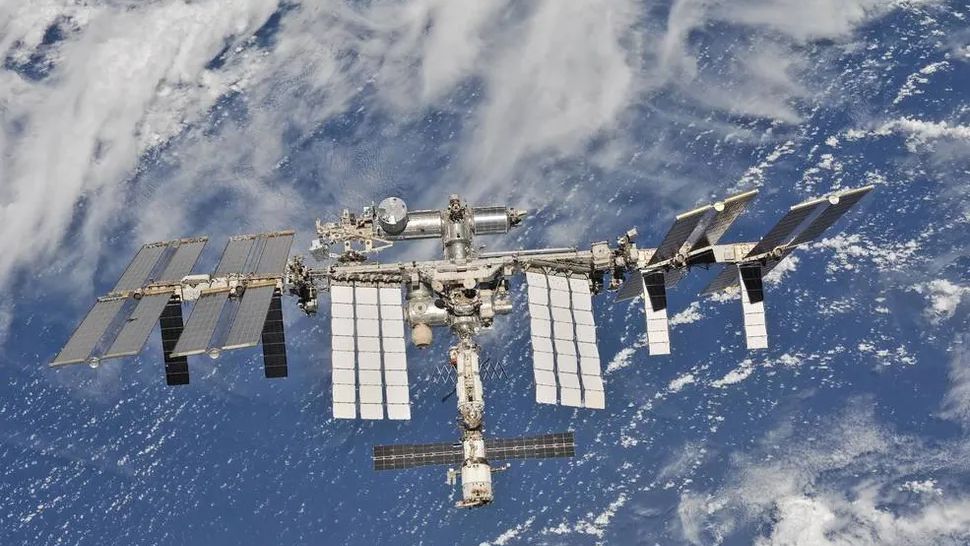
  • NASA Astronaut Evacuation: Unprecedented Return from Orbit Amid Space Health Crisis

    In a groundbreaking decision that underscores the unpredictable risks of space exploration, NASA has announced the early return of four astronauts from the International Space Station (ISS) following a serious medical issue. This “unprecedented call” marks the first time in the ISS’s 25-year history that a mission has been cut short due to health concerns, highlighting the challenges of long-duration spaceflight. As space agencies push boundaries with missions to the Moon and Mars, this event raises critical questions about astronaut well-being in orbit, space medicine advancements, and emergency protocols for orbital missions.

    This comprehensive guide explores the NASA astronaut evacuation in detail, incorporating expert insights, timelines, and implications for future space travel. We’ll cover the background of the unprecedented space illness, key events in the orbit emergency return, expert analyses on the astronaut health crisis, and forward-looking perspectives on NASA’s orbital evacuee strategies. Optimized for semantic SEO, this article integrates related terms like ISS medical emergencies, astronaut return procedures, space health risks, and microgravity effects to provide a holistic view that’s valuable for readers, search engines, and AI models alike.

    Background: Unprecedented Space Illness Strikes Crew-11

    Space travel has always carried inherent risks, from cosmic radiation exposure to the physiological impacts of microgravity on the human body. However, the recent incident involving NASA’s Crew-11 mission represents a pivotal moment in managing health emergencies in low Earth orbit. On January 7, 2026, an unidentified astronaut aboard the ISS experienced a “serious” medical issue, prompting immediate action from ground control teams. The condition, kept confidential to protect privacy, was severe enough to involve consultations with NASA’s chief health and medical officer, Dr. JD Polk, and top agency officials.

    The ISS is equipped with state-of-the-art medical facilities, including ultrasound devices, defibrillators, and a comprehensive onboard pharmacy designed for various scenarios. Astronauts receive extensive pre-flight training in self-medical care, supported by real-time telemedicine connections to Earth-based specialists. Despite these measures, certain conditions—such as those requiring advanced surgery or specialized diagnostics—remain challenging in a zero-gravity environment. Experts highlight how microgravity can intensify problems like fluid redistribution, leading to issues such as space adaptation syndrome, vision impairment from intracranial pressure, bone density loss, or cardiovascular complications—potential contributors to this unprecedented space illness.

    The affected crew member was part of a diverse international team, including U.S. astronauts Michael Fincke and Zena Cardman, alongside Japanese and Russian colleagues. Reports confirmed the astronaut was “stable” soon after the incident. NASA’s choice to prioritize crew health over extending the mission reflects evolving protocols, drawing from historical precedents like the 1985 Salyut 7 evacuation of a Soviet cosmonaut due to illness. This marks the first such event for the U.S. space program, underscoring advancements in space medicine while exposing gaps in long-term orbital health management.

    Key Events: Timeline of the Orbit Emergency Return

    The orbit emergency return unfolded with precision, demonstrating NASA’s robust crisis response capabilities in the vacuum of space. Below is a detailed chronological breakdown, based on official NASA releases and partner agency updates:

    • The medical emergency occurs during standard ISS operations. Fellow crew members provide initial stabilization using onboard medical kits, while mission control in Houston and Moscow establishes secure video links for expert guidance. A scheduled extravehicular activity (spacewalk) is canceled to redirect resources.
    • : NASA Administrator Jared Isaacman convenes a press conference to declare the “controlled medical evacuation.” He emphasizes, “Following thorough evaluations by our medical experts and leadership, we’ve determined that returning Crew-11 early is the safest course to ensure our astronauts’ well-being.” The decision impacts the full four-member crew, as the SpaceX Crew Dragon spacecraft is configured for collective re-entries.
    • : Intensive preparations ensue, including packing scientific samples, data transfers, and system checks on the Dragon capsule. Meteorological assessments for the Pacific Ocean splashdown site near California are prioritized to ensure optimal conditions.
    • : The spacecraft undocks from the ISS around 5 p.m. ET, executes a deorbit maneuver, and achieves splashdown. Immediate post-landing medical evaluations occur at a designated U.S. facility.

    This sequence involves seamless collaboration among NASA, SpaceX, JAXA (Japan Aerospace Exploration Agency), and Roscosmos (Russian space agency). The Crew Dragon, with its proven track record in crewed missions, facilitates a controlled descent using heat shields, parachutes, and naval recovery teams. While evoking sci-fi scenarios, the real-world execution emphasizes safety protocols over drama, integrating lessons from prior re-entries to minimize risks.

    Expert Opinions and Impacts: Navigating the Astronaut Health Crisis

    Leading voices in aerospace medicine have analyzed this astronaut health crisis, commending NASA’s proactive stance while advocating for systemic improvements. Dr. Michael Barratt, a veteran NASA astronaut and physician with direct ISS experience, calls the evacuation “a wise precaution in a setting where minor delays could escalate risks.” He points to spaceflight’s effects on the immune system, which can heighten susceptibility to infections or exacerbate pre-existing conditions.

    Broader expert consensus, including from Dr. Kris Lehnhardt of George Washington University’s aerospace medicine program, views this as “a catalyst for innovation in deep-space healthcare.” She advocates for autonomous systems like AI-powered diagnostics, robotic surgery tools, and enhanced telemedicine for extended missions to Mars. Potential ripple effects include delays to subsequent crews, such as Crew-12, and revisions to astronaut vetting processes for better resilience against space health risks.

    Psychologically, the incident strains team dynamics on the ISS, where isolation amplifies emotional stress. Redistributing tasks among the remaining seven crew members could impact ongoing experiments. NASA’s Human Research Program is expected to ramp up investigations into countermeasures, such as tailored exercise protocols, dietary interventions, and pharmacological aids to combat microgravity-induced ailments.

    On the economic front, the abbreviated mission adds costs—potentially in the tens of millions for operational adjustments—but reinforces NASA’s ethos of “safety first.” Public sentiment, amplified on social platforms, celebrates the astronauts’ resilience, fostering greater awareness of space exploration’s human vulnerabilities.

    Conclusion: Lessons from the NASA Orbital Evacuee and the Future of Space Exploration

    The narrative of this NASA orbital evacuee illuminates the fragile balance between ambition and caution in humanity’s cosmic endeavors. While details on the astronaut’s condition remain guarded, their successful return paves the way for refined strategies in handling ISS medical emergencies and beyond. This unprecedented event not only validates NASA’s emergency return procedures but also accelerates progress in space medicine, from radiation shielding to regenerative health technologies.

    As we advance toward Artemis lunar landings and Martian voyages, incidents like this astronaut health crisis remind us that exploration demands unwavering commitment to crew safety. By learning from these challenges, space agencies can enhance orbital mission sustainability, ensuring that future generations venture farther with greater confidence. For the latest developments, monitor NASA’s official updates or explore related resources from the European Space Agency (ESA) and private sector innovators like SpaceX.

    FAQ: Common Questions About NASA’s Unprecedented Astronaut Evacuation

    What caused the unprecedented space illness on the ISS?

    The exact cause remains undisclosed for privacy, but experts attribute it to potential microgravity effects, such as fluid shifts or immune suppression, common in long-duration spaceflight.

    How does NASA handle orbit emergency returns?

    NASA coordinates with partners like SpaceX for spacecraft undocking, deorbit burns, and safe splashdowns, prioritizing crew health through established protocols tested in simulations.

    What are the long-term impacts of this astronaut health crisis?

    It may lead to enhanced medical screenings, AI diagnostics, and policy updates for future missions, potentially delaying rotations while boosting investments in space health research.

    Has a NASA orbital evacuee happened before?

    This is the first for NASA’s ISS program, though historical precedents exist, like Soviet-era evacuations, informing current strategies.

  • NASA Announces Rare Early Return of SpaceX Crew-11 from ISS Due to Medical Issue

    In a historic first, NASA has decided to bring the four astronauts of SpaceX Crew-11 home from the International Space Station (ISS) ahead of schedule following a serious but stable medical issue affecting one crew member. This marks the first-ever medical evacuation in the ISS’s 25-year history of continuous human presence, prioritizing crew safety in the challenging environment of space.

    NASA Administrator Jared Isaacman announced the decision during a January 8, 2026, press conference, stating that the affected astronaut is stable but requires diagnostic and treatment capabilities unavailable on the ISS. The crew will undock aboard the SpaceX Crew Dragon Endeavour in the coming days, with splashdown expected off the U.S. coast.

    Timeline of the ISS Medical Situation and Early Return

    The events developed rapidly, demonstrating NASA’s commitment to precautionary measures:

    • January 7, 2026: One Crew-11 member experienced a “serious medical situation.” The condition stabilized promptly with crew assistance.
    • January 8, 2026: A planned spacewalk was postponed due to the medical concern. After consultations with Chief Health and Medical Officer Dr. J.D. Polk, NASA opted for the controlled early return.
    • Upcoming Return: Undocking and re-entry in the coming days, shortening the mission originally set to end in late February 2026.

    Officials emphasized this is a controlled medical evacuation—not an emergency—out of an “abundance of caution.” As Administrator Isaacman noted: “The capability to diagnose and treat this properly does not live on the International Space Station.”

    The SpaceX Crew-11 Astronauts Involved

    Launched on August 1, 2025, aboard the Crew Dragon Endeavour, the international Crew-11 team includes:

    • Zena Cardman (NASA Commander): Rookie astronaut and geologist.
    • Mike Fincke (NASA Pilot): Experienced veteran with multiple ISS stays.
    • Kimiya Yui (JAXA Mission Specialist): Japanese astronaut with prior spaceflight experience.
    • Oleg Platonov (Roscosmos Mission Specialist): Russian cosmonaut supporting joint operations.

    Why This Is a Historic Space Station Medical Event

    Since 2000, the ISS has never required an entire crew’s premature return due to a medical condition in space. Past issues were handled onboard or timed with rotations.

    Key aspects:

    • No standard handover overlap with the next crew.
    • Reliance on the reliable Crew Dragon for safe re-entry, with no special modifications needed for the stable patient.
    • Highlights ongoing limitations in orbital healthcare.

    This rare medical evacuation establishes new protocols for future long-duration missions.

    Challenges of Astronaut Health Problems in Microgravity

    Spaceflight introduces unique risks that can complicate even stable conditions:

    ChallengeDescriptionNASA Approach
    Limited DiagnosticsNo MRI/CT scanners; dependent on ultrasound and basic lab testsTelemedicine with ground experts; precautionary returns
    Treatment ConstraintsAdvanced meds and procedures only; no full surgeryOnboard medical kits; crew medical training
    Physiological EffectsFluid shifts, radiation, bone loss exacerbating issuesRigorous pre-flight screening; real-time monitoring
    Privacy and StabilityUndisclosed details; stable patient, standard re-entryPrivacy protections; safety-first decisions

    Implications for Ongoing ISS Operations and Beyond

    Dragon Undocks With SpaceX Crew-9 Members for Return to Earth - NASA

    This decision affects:

    • Abrupt end to Crew-11’s scientific contributions.
    • Temporary understaffing on the station.
    • Accelerated planning for Crew-12 launch.
    • Valuable insights for Artemis program and Mars missions.

    The event reinforces international collaboration and SpaceX’s role in human spaceflight reliability.

    Conclusion

    NASA’s choice to execute this NASA early return for SpaceX Crew-11 due to an ISS medical issue reflects the agency’s core priority: astronaut safety above all. While unprecedented in ISS history, it highlights preparedness, rapid decision-making, and the enduring human challenges of space exploration. As the crew prepares for their journey home aboard the Crew Dragon, the space community awaits their safe splashdown and continued updates.

    Frequently Asked Questions (FAQ)

    What caused the early return of SpaceX Crew-11 from the ISS?

    A serious but stable medical condition experienced by one crew member on January 7, 2026, that requires Earth-based diagnosis and treatment.

    Who is the affected astronaut?

    NASA has not disclosed the identity or specifics, respecting medical privacy regulations.

    Is this considered a space station emergency?

    No—it’s a controlled, precautionary medical evacuation, not an emergent situation.

    When will Crew-11 return to Earth?

    Undocking and splashdown are planned in the coming days; NASA will provide exact timelines soon.

    Has a medical issue ever forced an ISS crew return early before?

    This is the first in the station’s 25-year history.

    How will this impact ISS operations?

    The station will run with fewer crew members temporarily; maintenance and critical tasks continue.

    What spacecraft will bring them home?

    The same SpaceX Crew Dragon Endeavour they launched on, with standard re-entry procedures.

    What does this mean for future NASA missions?

    It sets precedents for handling medical conditions in space, informing protocols for lunar and Mars explorations.

  • Arena Breakout Infinite Season 4: Airport Hunt Now Live – Guoyapos Airport Map, Snowy Northridge Mechanics & Full Update Guide

    Arena Breakout Infinite Season 4, officially titled Airport Hunt, launched globally on January 8, 2026, bringing the biggest content drop yet to this hyper-realistic, free-to-play tactical extraction shooter from MoreFun Studios. The update introduces the sprawling Guoyapos Airport map, a completely overhauled Snowy Northridge with transformative snow mechanics, powerful new weapons including the U191 and T191, server upgrades to 72 tickrate, and a host of new modes and quality-of-life improvements.

    Available free on Steam, Epic Games Store, and Microsoft Store, ABI Season 4 update elevates the already intense PvPvE raids with deeper strategy, richer loot pools, and environmental gameplay that rivals premium extraction shooters like Escape from Tarkov – all without any pay-to-win elements.

    Players who log in between January 8-10 can claim massive launch rewards: 1 million Koen, exclusive weapon skins, charms, and a free 3×3 Titanium Case through daily missions. Whether you’re a seasoned operator or new to the genre, ABI Airport Hunt delivers unmatched tension and replayability.

    ABI Season 4 Launch Timeline and Login Rewards

    The global rollout followed successful China beta testing in late December 2025:

    • January 8, 2026 – 6:00 PM EST: Servers went live after brief maintenance.
    • January 8-10: Limited-time login bonuses including Arctic Borealis outfit sets.
    • Ongoing Seasonal Events: Gold Bounty Assault, Encrypted Files PvE runs, and brutal Melee-Only Combat modes.

    High player volume caused short queues on launch day, but servers have stabilized. Download Arena Breakout Infinite free play now and secure your rewards before they expire.

    Guoyapos Airport Map Guide: Mastering the New ABI Map in Season 4

    The crown jewel of ABI Airport Hunt is Guoyapos Airport – a massive, abandoned military-turned-civilian airport turned high-stakes battleground. Its circular layout revolves around a heavily contested central control tower packed with premium loot.

    Key Locations & Tactics:

    • Control Tower: Ultimate hotzone with red-tier attachments and encrypted files; multiple stairwells and balconies create intense vertical fights.
    • Warehouses & Parking Areas: Vehicle trunks, slot machines, and scattered containers offer mid-tier loot with safer flanks.
    • Runways & Roads: Long sightlines perfect for snipers (AMB-17 excels here) but exposed to rotations.
    • Dynamic Extractions: Collaborative (team with strangers), conditional (activates mid-raid), and destructible doors (C4 or kicks).

    PvPvE Strategy: Elite AI bosses guard the best spawns. Enter early for low-risk farming, rotate aggressively as raid timers push players inward.

    Snow Mode ABI: How Transformative Snow Mechanics Change Snowy Northridge Forever

    Snow mode ABI completely reimagines Northridge by blanketing it in deep snow, introducing groundbreaking environmental interactions that shift gameplay from aggressive pushes to calculated stealth.

    Snow MechanicGameplay EffectBest Counterplay
    Visible FootprintsTracks remain up to 5 minutes; perfect for trailing enemiesMove crouched or prone; use wind gusts to cover tracks
    Crunchy FootstepsLoud, distinct snow audio eliminates silent movementTime steps with howling wind; equip suppressors
    Reduced VisibilityHeavy fog and snowfall limit sightlines dramaticallyRun thermal optics; control elevated positions
    Slippery SurfacesAltered sprint/slide mechanics increase fall riskLight loadouts; U191 dominates close-quarters

    This extraction shooter snow map forces patience and audio awareness, making every raid feel fresh and punishing reckless plays.

    New Weapons, Modes & Technical Upgrades in ABI Season 4 Update

    ABI Season 4 adds serious firepower and polish:

    • New Weapons:
      • U191 – Rapid-fire SMG ideal for CQC in snow or airport interiors.
      • T191 – Versatile assault rifle with excellent recoil control.
      • AMB-17 – Bolt-action sniper for long-range dominance.
      • New attachments, flashbangs, and balance changes (H416 nerfed).
    • New Modes:
      • Encrypted Files: High-risk PvE for premium rewards.
      • Gold Bounty Assault: Contested airdrops at TV Station.
      • Melee-Only Combat: Knife fights in Northridge hotel.
    • Quality-of-Life & Tech:
      • Server tickrate increased to 72 for vastly improved hit registration.
      • Trophy Room customization.
      • Expanded loot containers (trash bins, cookie jars, random safes).

    These changes solidify free extraction FPS leadership with fair, skill-based progression.

    Why Arena Breakout Infinite Free Play Continues to Dominate the Genre

    With Unreal Engine 5 visuals, authentic ballistics, and zero pay-to-win mechanics, Arena Breakout Infinite free play offers premium extraction gameplay at no cost. ABI PvPvE Airport Hunt thrives on squad coordination, risk assessment, and moment-to-moment tension that keeps millions engaged.

    Conclusion

    Arena Breakout Infinite Season 4: Airport Hunt is a game-changer. The addition of Guoyapos Airport map, revolutionary Snowy Northridge mechanics, powerful new weapons, and technical refinements make this the deepest, most immersive season yet. Whether stalking footprints through blizzards or battling for control tower supremacy, every raid feels meaningful and intense. Jump in now, claim your launch rewards, and experience why ABI remains the premier free tactical extraction shooter in 2026.

    Frequently Asked Questions (FAQ)

    When did Arena Breakout Infinite Season 4 launch?

    Season 4 “Airport Hunt” launched globally on January 8, 2026, at 6:00 PM EST and is live now.

    What is the new map in ABI Season 4?

    Guoyapos Airport – a massive, loot-rich airport with a central control tower hotzone and dynamic extractions.

    How does snow mode work in Snowy Northridge?

    Snow introduces visible footprints (lasting 5 minutes), loud crunchy footsteps, reduced visibility, and wind audio interference – dramatically changing tactics.

    Is Arena Breakout Infinite still free-to-play?

    Yes, completely free with only cosmetic monetization and generous seasonal rewards.

    What are the new weapons added in Season 4?

    U191 SMG, T191 assault rifle, AMB-17 sniper rifle, plus new attachments and flashbangs.

    Did servers get upgraded in ABI Airport Hunt?

    Yes – tickrate increased to 72 for significantly better hit registration and smoother PvP.

    How do I get the Season 4 launch rewards?

    Log in between January 8-10, 2026, and complete daily missions for 1M Koen, skins, charms, and a Titanium Case.

    Are there new game modes in Season 4?

    Yes – Encrypted Files (PvE), Gold Bounty Assault (airdrops), and Melee-Only Combat modes.