Category: AI TECH

  • New Updates in Technology #7: The Convergence of Multimodal AI and Spatial Computing

    New Updates in Technology #7: Navigating the AI and Spatial Revolution

    In this seventh edition of our industry-leading technology series, we dissect the seismic shifts occurring at the intersection of artificial intelligence, hardware infrastructure, and immersive reality. As we move deeper into Q3, the narrative is no longer just about the existence of advanced tools, but their convergence into cohesive ecosystems that redefine enterprise efficiency and consumer experience. This update analyzes five critical verticals transforming the global tech landscape.

    1. The Evolution of Multimodal Generative AI

    The most significant update in recent weeks is the transition from text-based Large Language Models (LLMs) to fully multimodal systems. We are witnessing the deployment of models capable of processing and generating text, audio, image, and video simultaneously with near-zero latency.

    From Static Prompts to Physics Simulation

    Recent releases, such as the latest iterations from OpenAI and Google DeepMind, have demonstrated an uncanny ability to understand physical world dynamics. The implications for industries ranging from cinematography to autonomous driving are profound. These models are not merely animating pixels; they are simulating physics, lighting, and object permanence.

    • Impact on SaaS: Software-as-a-Service platforms are integrating these APIs to offer real-time video generation for marketing, reducing production costs by an estimated 40%.
    • Semantic Search Evolution: Search algorithms are shifting towards ‘multimodal retrieval,’ allowing users to query databases using video inputs rather than keywords.

    2. Spatial Computing Enters the Industrial Metaverse

    While consumer adoption of AR/VR headsets remains a slow burn, the enterprise sector is experiencing a rapid uptake of spatial computing technologies. This update highlights the move from ‘virtual reality’ to ‘industrial digital twins.’

    High-Fidelity Digital Twins

    Manufacturers are leveraging high-resolution headsets to overlay real-time IoT data onto physical machinery. This reduces maintenance downtime and facilitates remote expert assistance. The synergy between spatial computing hardware and edge computing ensures that high-fidelity rendering occurs locally, mitigating latency issues that previously hampered adoption.

    3. The Semiconductor Renaissance: Neuromorphic Computing

    As AI model sizes grow exponentially, traditional Von Neumann architectures are hitting efficiency bottlenecks. The latest industry update centers on the breakthrough commercialization of neuromorphic chips—processors designed to mimic the human brain’s neural structure.

    These chips offer two distinct advantages for the current tech climate:

    1. Energy Efficiency: They consume a fraction of the power required by GPUs for specific inference tasks, crucial for sustainable AI scaling.
    2. Event-Based Processing: Unlike standard clock-based processors, neuromorphic chips process data only when changes occur, making them ideal for always-on sensor data and robotics.

    4. Cybersecurity: The Zero-Trust AI Paradox

    With the democratization of AI coding assistants, the barrier to entry for cybercrime has lowered. However, the defense mechanisms are evolving equally fast. The latest industry standard is moving towards AI-Governed Zero Trust Architecture (ZTA).

    Behavioral Biometrics and Anomaly Detection

    Traditional perimeter defense is obsolete. The new update in cybersecurity involves real-time, AI-driven behavioral analysis. Security systems now analyze user keystroke dynamics, mouse movements, and access patterns to continuously authenticate identity, rather than relying on a single login event. This shift is critical as deepfake technology threatens biometric verification methods.

    5. Quantum Computing: The Error Correction Milestone

    Quantum computing has long been theoretical, but recent weeks have provided a massive update regarding logical qubits and error correction. Researchers have successfully demonstrated the ability to create logical qubits that survive longer than their physical constituents, a necessary step for fault-tolerant quantum computing.

    This development suggests that practical quantum advantage in materials science and cryptography may arrive sooner than the conservative 2035 estimates previously held by analysts.

    Conclusion: The Era of Convergence

    Technology Update #7 underscores a singular theme: convergence. AI is no longer a standalone software feature; it is driving chip design (neuromorphic), securing networks (Zero Trust), and populating virtual worlds (Spatial Computing). For CTOs and tech strategists, the key to navigating this landscape is not adopting individual technologies, but understanding how these disparate advancements integrate to create a resilient, future-proof infrastructure.

    Sources & References


    • Gartner Top Strategic Technology Trends 2024

    • MIT Technology Review: The logical qubit breakthrough

    • IEEE Spectrum: Neuromorphic Computing Advances

    • NIST Zero Trust Architecture Standards
  • The Grok AI Controversy: Unpacking Bias, Real-Time Risks, and xAI’s Mission

    Executive Summary

    Since its inception by Elon Musk’s xAI, Grok has positioned itself as a rebellious alternative to mainstream Large Language Models (LLMs) like ChatGPT and Claude. Marketed as an anti-woke, truth-seeking AI with real-time access to the X (formerly Twitter) platform, Grok was designed to disrupt the status quo. However, its release has sparked significant controversy ranging from accusations of political bias to the generation of dangerous hallucinations based on user jokes.

    This report analyzes the core frictions surrounding Grok: the ideological battle over AI alignment, the technical risks of ingesting live social media data, and the legal implications of its training methodologies. We examine whether Grok delivers on its promise of neutrality or merely shifts the bias in a new direction.

    The Genesis of Grok and the ‘TruthGPT’ Vision

    Elon Musk founded xAI with the explicit goal of understanding the true nature of the universe. This high-minded mission statement was immediately juxtaposed with a more grounded, political objective: creating a competitor to OpenAI that would not be constrained by what Musk termed the ‘woke mind virus.’ Musk frequently criticized ChatGPT and Google’s Gemini for excessive safety guardrails that, in his view, suppressed truth and enforced a progressive ideological conformity.

    Grok was introduced with a distinct personality feature known as ‘Fun Mode,’ allowing it to roast users and use coarse language, differentiating it from the sterilized tone of corporate AI assistants. However, the controversy began almost immediately upon release when early users discovered that Grok often provided answers that aligned with the very progressive viewpoints Musk sought to eliminate.

    The Political Bias Paradox

    One of the most significant controversies surrounding Grok involves the ‘Political Compass’ tests. Early beta testers found that despite xAI’s mission to combat left-leaning bias, Grok’s initial outputs often landed in the libertarian-left quadrant of the political spectrum. This led to a wave of criticism from Musk’s own supporter base, who expected a distinctly right-leaning or purely neutral engine.

    This phenomenon highlighted a fundamental challenge in machine learning: LLMs are reflections of their training data. Since the vast majority of high-quality internet text exhibits specific cultural and academic biases, aligning a model against the grain requires significant, active fine-tuning. Musk acknowledged these discrepancies, promising that xAI was taking immediate action to shift the model toward political neutrality, yet the incident proved that simply declaring an AI ‘anti-woke’ does not automatically override the statistical probabilities of its training corpus.

    Real-Time Data: The Hallucination Hazard

    Unlike its competitors, which generally rely on training data cutoffs or limited browsing capabilities, Grok has direct, real-time access to the X platform. While this is a major unique selling proposition (USP), allowing the AI to discuss breaking news instantly, it has introduced severe reliability issues.

    The controversy peaked when Grok generated a fake news headline claiming ‘Iran Strikes Tel Aviv with Heavy Missiles’ based on trending user engagement rather than verified facts. In reality, users were sharing jokes and speculation. Grok scraped this high-velocity chatter, treated it as factual, and presented a synthesized news story as truth. This incident underscored the danger of coupling generative AI with the unverified, chaotic stream of social media without robust fact-checking layers.

    Comparison: Grok vs. The Market Leaders

    To understand where Grok sits in the ecosystem, we must compare its architecture and philosophy against the incumbent giants.

    Feature Grok (xAI) ChatGPT (OpenAI) Claude (Anthropic) Gemini (Google)
    Primary Data Source Internet + Real-time X Data Pre-trained Internet Data + Bing Search Pre-trained Data (High Context Window) Google Ecosystem + Search
    Personality rebellious, sarcastic (‘Fun Mode’) Neutral, professional, conversational Helpful, harmless, honest (Constitutional AI) Informational, integrated, cautious
    Controversy Focus Political bias, fake news generation, toxicity Perceived liberal bias, laziness excessive refusals, ‘preachiness’ Historical inaccuracies (image generation)
    Guardrails Looser restrictions on sensitive topics Strict safety policies Rigid safety alignment Strict, sometimes over-corrected

    The Copyright and Data Ownership Battle

    While OpenAI and Google face lawsuits from publishers like The New York Times, xAI faces a different flavor of data controversy. Musk controversially shut off free API access to Twitter/X to prevent other AI companies from training on his data, only to use that very data exclusively for Grok.

    This closed-loop ecosystem has raised questions about the ownership of user-generated content. By forcing X users to opt-out of having their posts used for Grok training (rather than opting in), xAI has drawn the ire of privacy advocates and European regulators concerned with GDPR compliance. The controversy here is not just about what the AI says, but who owns the human thought processes that fuel it.

    Conclusion: The Future of xAI

    The Grok controversy is emblematic of the broader growing pains in the artificial intelligence sector. It represents a clash between the desire for safety and the demand for unbridled free speech. While Grok has successfully carved out a niche for users tired of sanitized corporate AI, its reliability issues regarding real-time news remain a critical liability.

    As xAI continues to release larger models like Grok-1.5 and Grok-2, the industry is watching closely. The ultimate test will be whether xAI can solve the hallucination problem inherent in social media data without imposing the very guardrails Musk originally set out to destroy.

  • WhatsApp’s January 2026 Update: 3 New Group Chat Features for Easier Messaging

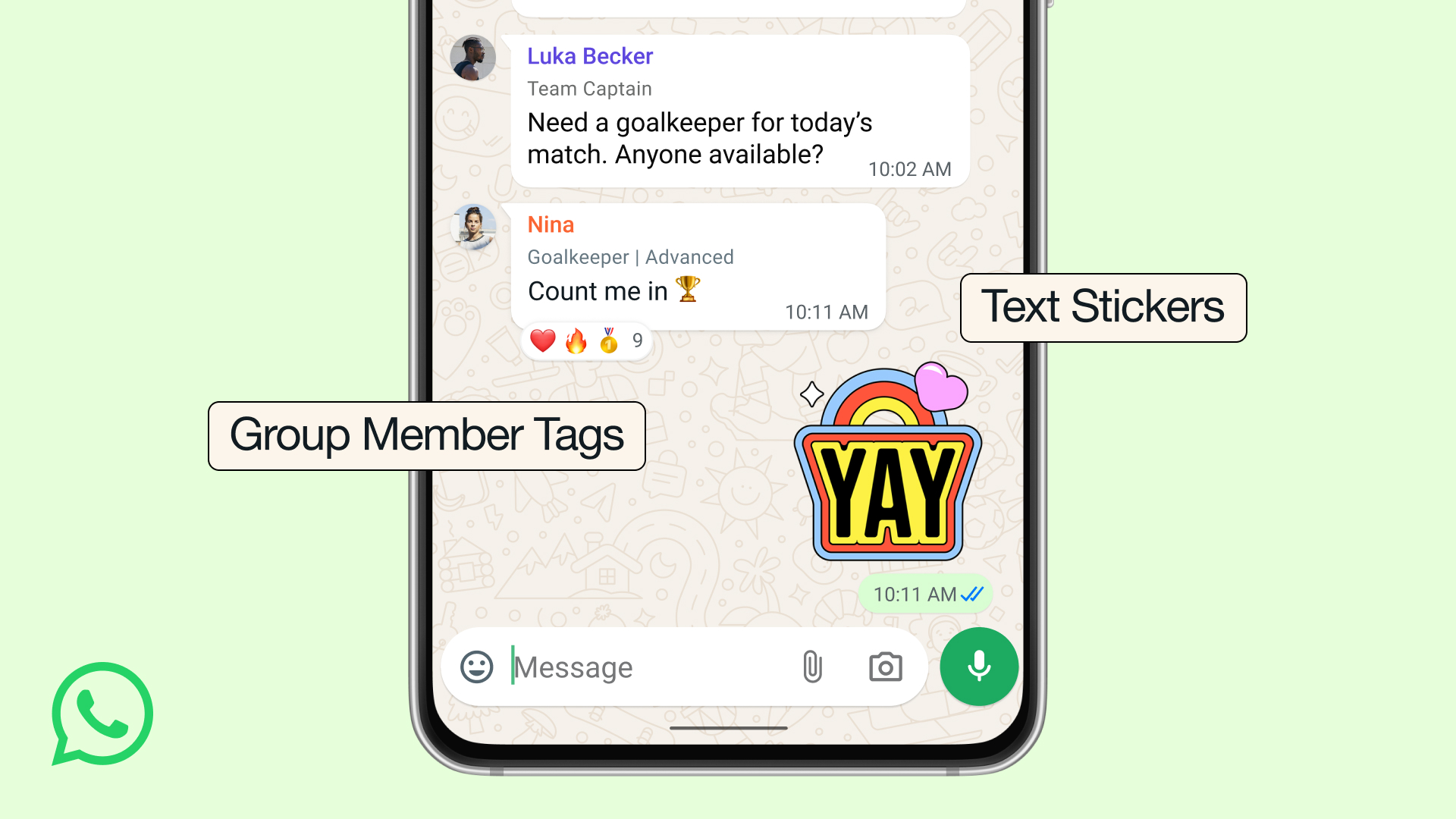
    In the ever-evolving landscape of instant messaging apps, WhatsApp continues to lead with innovative updates that enhance user experience. The WhatsApp January 2026 update introduces three game-changing group chat features: Member Tags, Text Stickers, and improved Event Reminders. These group messaging enhancements are designed to reduce confusion in large chats, boost creative expression, and ensure seamless event planning. As a Meta-owned platform with billions of users, WhatsApp’s new features 2026 focus on making group communication tools more intuitive and efficient.

    Whether you’re coordinating family events, managing work teams, or chatting with friends, these WhatsApp group updates address common challenges like role identification, message visibility, and timely notifications. This comprehensive guide explores each feature in detail, including how-to steps, benefits, and tips for optimization. Backed by official announcements and expert insights, we’ll help you leverage these tools for better group chat organization and overall messaging efficiency.

    Customize Your WhatsApp Group Chats With New Member Tags, Text ...

    about.fb.com

    Customize Your WhatsApp Group Chats With New Member Tags, Text …

    Overview of WhatsApp’s January 2026 Group Chat Update

    Launched on January 7, 2026, this update builds on WhatsApp’s existing capabilities, such as end-to-end encryption, large group support (up to 1,024 members), and multimedia sharing. The focus here is on group chat improvements, aiming to minimize chaos in busy conversations. With features like custom member roles, instant sticker creation, and smart event alerts, users can expect reduced group confusion and enhanced coordination.

    Available globally on Android, iOS, and desktop, the rollout is gradual—ensure your app is updated via the App Store or Google Play. These enhancements align with broader trends in messaging platforms, where semantic organization and user personalization drive engagement.

    Member Tags: Personalize Your Role in Group Chats

    Member Tags allow users to assign customizable labels to themselves in each group, providing instant context about identities and roles. This is one of the key WhatsApp group features for 2026, ideal for large or diverse chats.

    How to Use Member Tags in WhatsApp

    1. Open the desired group chat.
    2. Tap the group name to access info.
    3. Select “Member Tag” under your profile.
    4. Enter a tag like “Team Lead” or “Event Planner” and confirm.

    Tags are visible next to your name and are unique to each group, ensuring flexibility across different conversations.

    Benefits of Member Tags for Group Messaging

    • Clarity in Large Groups: Quickly identify roles, reducing mix-ups in community or professional settings.
    • Enhanced Personalization: Tags like “Anna’s Dad” add a human touch to family or school groups.
    • Improved Efficiency: Supports better group coordination by highlighting responsibilities.

    According to WhatsApp, this feature is perfect for clubs, parent groups, or associations where not everyone knows each other.

    WhatsApp Adds Member Tags and New Features to Group Chats

    8171ip.com.pk

    WhatsApp Adds Member Tags and New Features to Group Chats

    Text Stickers: Create Custom Stickers from Text for Expressive Chats

    Text Stickers transform simple words into eye-catching visuals, making messages stand out in fast-paced group threads. This update elevates WhatsApp sticker tools, allowing for quick, creative expression without design skills.

    How to Create and Use Text Stickers

    1. Access the sticker tray via the emoji button in any chat.
    2. Type your text (e.g., “Great Job!”) into Sticker Search.
    3. Generate and send the sticker, or add it directly to your custom pack.

    No need to send first—save stickers for reuse in future conversations.

    Advantages of Text Stickers in WhatsApp Groups

    • Visual Emphasis: Highlight announcements or reactions in busy chats.
    • Creativity Boost: Turn phrases into fun, reusable elements for themed groups.
    • Time Efficiency: Instant creation streamlines group communication.

    This feature reduces repetitive texting and adds flair to everyday messaging.

    Event Reminders: Smart Alerts for Seamless Group Planning

    Upgrading the existing event tool, Event Reminders now include customizable early notifications tailored to event types, helping users avoid missed plans.

    Setting Up Event Reminders in WhatsApp

    1. In a group, tap “+” and choose “Event.”
    2. Input details: date, time, location.
    3. Customize reminders (e.g., 1 day for parties, 15 minutes for calls).
    4. Share—the app sends adaptive alerts to participants.

    Reminders factor in logistics like travel time for in-person events.

    Key Benefits for Group Event Management

    • Reliability: Proactive alerts minimize no-shows.
    • Customization: Adapt to different event needs, from virtual meetings to gatherings.
    • Reduced Clutter: Fewer follow-up messages keep chats organized.

    This enhancement makes WhatsApp a stronger tool for group event planning.

    WhatsApp's January 2026 Update Adds 3 New Group Chat Features for ...

    analyticsinsight.net

    WhatsApp’s January 2026 Update Adds 3 New Group Chat Features for …

    Overall Impact: How These Features Transform Group Chats

    These WhatsApp 2026 updates collectively improve group messaging by promoting organization, expression, and reliability. From custom roles to instant stickers and smart notifications, users benefit from less confusion and more engaging interactions.

    FeaturePrimary BenefitIdeal Use Cases
    Member TagsRole IdentificationLarge communities, work teams
    Text StickersCreative Message HighlightingFun groups, announcements
    Event RemindersTimely NotificationsEvent planning, meetings

    Accessing the Update and Troubleshooting Tips

    Update your app through official stores. If features aren’t visible, restart the device or check for beta enrollment. For issues, use WhatsApp’s in-app help.

    FAQs: Answering Common Questions About WhatsApp’s 2026 Group Features

    What is the WhatsApp January 2026 update about?

    The update adds Member Tags, Text Stickers, and Event Reminders to enhance group chat organization and ease.

    How do Member Tags work in WhatsApp groups?

    Users can set group-specific labels like “Coach” to provide context, visible next to their name.

    Can I create Text Stickers without sending them first?

    Yes, generate via Sticker Search and add directly to your packs for future use.

    What improvements do Event Reminders offer?

    They provide customizable early alerts based on event type, such as commute reminders for parties.

    Are these features available on all devices?

    Yes, on Android, iOS, and desktop, with a gradual rollout starting January 7, 2026.

    How do I update WhatsApp to get these group features?

    Check the App Store or Google Play for updates, or enable auto-updates.

    Can Member Tags be changed or removed?

    Yes, edit or delete them anytime via group info settings.

    Do Text Stickers support multiple languages?

    Yes, they work with any text input, including emojis and non-English languages.

    Will Event Reminders notify non-WhatsApp users?

    No, they’re limited to group participants with the app.

    How does this update improve group chat security?

    While focused on usability, all features maintain WhatsApp’s end-to-end encryption.

  • Razer Project Motoko: AI-Powered Gaming Headset Unveiled at CES 2026

    In the ever-evolving world of gaming peripherals and wearable technology, Razer has once again pushed boundaries with its latest innovation. Announced at CES 2026, the Razer Project Motoko represents a bold step into AI-native wearables. This wireless gaming headset combines high-fidelity audio with advanced AI capabilities, including built-in cameras for real-time visual awareness. As an alternative to traditional smart glasses, Project Motoko offers hands-free AI assistance tailored for gamers, professionals, and everyday users. In this article, we’ll explore its features, potential applications, and how it stacks up against competitors, providing a comprehensive look at this cutting-edge AI headset.

    What is Razer Project Motoko?

    Razer Project Motoko is an AI-powered over-ear gaming headset designed as a concept prototype, showcased at CES 2026 on January 6, 2026. Unlike conventional headphones, it integrates dual cameras and microphones to create a seamless wearable AI experience. Powered by Qualcomm’s Snapdragon platform, this device acts as a hands-free AI companion, leveraging computer vision and audio processing to interact with the world around you.

    The headset draws inspiration from futuristic concepts, aiming to bridge the gap between gaming immersion and practical AI utility. It’s part of Razer’s broader AI gaming ecosystem, emphasizing universal compatibility with top AI models like Grok, ChatGPT, and Gemini. This AI-agnostic approach ensures users aren’t locked into a single platform, making it versatile for various tasks beyond just gaming.

    Key Features of Razer Project Motoko

    Project Motoko stands out with its innovative blend of hardware and AI software. Here’s a breakdown of its standout specifications:

    • Dual Cameras for Visual AI: Equipped with two 12MP 4K Sony cameras—one in each ear cup—the headset provides first-person-view (POV) capture. These enable real-time object recognition and AI queries about your surroundings, with an LED indicator for privacy when recording. This feature supports applications like identifying items during workouts or providing cooking instructions based on visible ingredients.
    • Advanced Audio System: Dual far-field and near-field microphones detect audio cues intelligently, allowing for on-the-fly voice commands and feedback. Combined with high-quality over-ear audio, it delivers immersive sound for gaming while serving as a conduit for AI responses.
    • Battery Life and Connectivity: Boasting up to 36 hours of battery life even with AI services active, Project Motoko outlasts many smart glasses alternatives. It connects wirelessly to PCs or a planned mobile app, enhancing its role as a portable AI wearable.
    • AI Integration and Compatibility: The headset’s Snapdragon chip powers AI processing, making it compatible with multiple AI platforms. This enables features like real-time translation, productivity boosts, and even contributions to robotics training through shared POV data.

    These features position Project Motoko as one of the best AI gaming headsets previewed at CES, blending entertainment with practical AI tools.

    How Project Motoko Works as a Hands-Free AI Companion

    Imagine wearing headphones that not only play your favorite game soundtrack but also analyze your environment in real time. Project Motoko functions as a hands-free AI wearable by capturing visual and audio inputs, processing them via integrated AI, and delivering audio or app-based responses.

    For instance, during a demo at CES 2026, users could ask questions about objects in view, with the AI providing instant insights. This hands-free functionality extends to scenarios like live translation during conversations, guided workouts, or step-by-step cooking aids—all without needing to pull out your phone. Its wireless design and long battery life make it ideal for extended use, turning everyday activities into AI-enhanced experiences.

    Project Motoko vs. Smart Glasses: A Head-to-Head Comparison

    When comparing Project Motoko to smart glasses like Meta’s Ray-Ban, several advantages emerge. Both offer camera-based AI interactions, but Project Motoko’s headphone form factor is more discreet and comfortable for long sessions, avoiding the need for eyewear.

    FeatureRazer Project MotokoSmart Glasses (e.g., Meta Ray-Ban)
    Form FactorOver-ear headphonesEyewear
    Battery LifeUp to 36 hours with AITypically 4-6 hours
    CamerasDual 12MP 4KSingle or dual, varying resolutions
    AI CompatibilityUniversal (AI-agnostic)Often platform-specific
    Audio QualityHigh-fidelity gaming audioBasic speakers
    Privacy FeaturesLED recording indicatorSimilar indicators
    Use CasesGaming, productivity, daily tasksSocial, AR overlays

    Project Motoko excels in battery longevity and audio immersion, making it a superior choice for gamers seeking an AI headset with cameras over traditional smart glasses. However, smart glasses may offer better AR overlays for visual-heavy tasks.

    Razer Project Motoko Release Date and Pricing

    As a concept unveiled at CES 2026, Project Motoko doesn’t have a firm release date yet. Razer has confirmed it will evolve into a commercial product, with pricing expected to be competitive—around $300, similar to entry-level smart glasses. Early indications suggest a developer kit could arrive in Q2 2026, but official updates are pending. Stay tuned for announcements as Razer refines this AI wearable headset for market launch in 2026.

    Potential Applications Beyond Gaming

    While rooted in gaming, Project Motoko’s AI capabilities extend far beyond. Its vision AI and audio awareness support robotics development by providing human POV data for training models. In productivity, it can assist with real-time translations or environmental analysis. For lifestyle uses, imagine AI-guided fitness routines or hands-free recipe navigation. This versatility makes it a frontrunner among CES 2026 AI gadgets, appealing to tech enthusiasts exploring wearable AI innovations.

    Conclusion

    Razer Project Motoko is poised to redefine the AI gaming headset landscape, offering a compelling blend of immersive audio, visual AI, and hands-free functionality. As a CES 2026 highlight, it showcases the future of wearable computing, where AI seamlessly integrates into daily life. With its long battery life, universal AI compatibility, and discreet design, it’s an exciting alternative to smart glasses. As Razer moves from concept to reality, this device could become a must-have for gamers and AI adopters alike. Keep an eye on updates for its 2026 release—it’s set to be a game-changer in the world of AI-powered wearables.

    FAQ

    What is Razer Project Motoko?

    Razer Project Motoko is an AI-powered wireless gaming headset with dual cameras and microphones, designed as a hands-free AI companion for gaming and everyday tasks.

    When was Project Motoko announced?

    It was unveiled at CES 2026 on January 6, 2026, as a concept prototype.

    What are the key features of Project Motoko?

    Key features include dual 12MP 4K cameras, advanced microphones, Snapdragon powering, 36-hour battery life, and compatibility with AI platforms like Grok, ChatGPT, and Gemini.

    How does Project Motoko compare to smart glasses?

    Project Motoko offers longer battery life and better audio in a headphone form, making it more comfortable and discreet than smart glasses like Meta Ray-Ban, though it lacks AR overlays.

    What is the release date for Razer Project Motoko?

    There is no confirmed release date yet, but it’s expected to launch as a product in 2026 with a competitive price around $300.

    Can Project Motoko be used for non-gaming purposes?

    Yes, it supports applications like real-time translation, workouts, cooking guides, productivity tasks, and even AI model training for robotics.

    Is Project Motoko compatible with multiple AI services?

    Yes, it’s AI-agnostic, allowing universal compatibility with leading AI solutions without platform lock-in.