Author: James

  • The Chaos and Calculation of the NFL Week 18 Schedule

    The conclusion of the National Football League regular season is unlike any other week in professional sports. While the first seventeen weeks follow a relatively rigid structure, Week 18 is defined by fluidity and high-stakes drama. The league specifically designs this final weekend to maximize playoff implications and television viewership.

    For fans and franchises alike, the schedule release for this specific week is a waiting game. The NFL delays finalizing the dates, kickoff times, and broadcast networks until the conclusion of Week 17. This ensures that prime-time slots feature teams fighting for their postseason lives.

    Understanding the mechanics behind this scheduling anomaly requires a deep dive into the league’s strategic priorities. It is a balancing act between competitive fairness, revenue maximization, and fan engagement.

    The Strategic Fluidity of the Season Finale

    In previous eras, the final week of the season was set in stone months in advance. This often led to meaningless matchups airing in prime time if teams had already clinched playoff spots or were eliminated. To combat this, the NFL introduced a flexible scheduling model specifically for the season finale.

    The concept is simple but effective. By leaving the schedule To Be Determined (TBD), the league retains the power to curate the most compelling narrative. Games with “win-and-in” stakes are prioritized for national audiences.

    Two games are typically flexed to Saturday to create a standalone doubleheader. These matchups usually involve teams striving for a Wild Card spot or a division title. This standalone window provides massive exposure for teams that might otherwise get lost in the Sunday shuffle.

    The Game 272 Concept

    The crown jewel of the Week 18 schedule is the final game of the regular season, often referred to as Game 272. This is the Sunday Night Football matchup on NBC, selected specifically because it holds the greatest playoff ramifications.

    Ideally, the league selects a game where the result directly determines a division winner or the final playoff berth. The goal is to prevent a scenario where the outcome is rendered irrelevant by earlier games. This ensures viewers remain glued to the screen until the final whistle of the regular season.

    Competitive Fairness and Simultaneous Kickoffs

    One of the most critical aspects of the Week 18 schedule is the synchronization of kickoff times. The league strives to schedule interdependent games at the same time to maintain competitive integrity.

    If Team A needs a win and a Team B loss to make the playoffs, the league avoids scheduling Team B earlier in the day. Knowing the result beforehand could alter a team’s motivation or strategy. By playing simultaneously, both teams must play to win without the luxury of knowing their fate in advance.

    This creates a frantic environment for fans. Scoreboard watching becomes an integral part of the stadium experience. The roar of the crowd often reflects updates from a different stadium rather than the action on the field.

    The High Stakes of Playoff Seeding

    Week 18 is not just about getting into the tournament; it is about positioning. The difference between the seeds can be the deciding factor in a Super Bowl run. The introduction of the seven-team playoff format has placed a premium on the No. 1 seed.

    Only the top seed in each conference receives a bye week. This creates a massive incentive for top-tier teams to play their starters in Week 18 rather than resting them. The statistical advantage of the bye week is undeniable.

    Playoff Seed Home Field Advantage Bye Week Status Est. Super Bowl Probability
    No. 1 Seed Throughout Playoffs YES (First Round) ~35%
    No. 2 Seed Divisional Round Guarantee NO ~15%
    No. 4 Seed Wild Card Round Only NO ~5%
    No. 7 Seed None (Road Only) NO < 2%

    To Play or To Rest?

    Coaches face an agonizing dilemma in Week 18 if their playoff seeding is locked. Resting starters protects key players from injury but risks breaking the team’s momentum. The “rust vs. rest” debate is a perennial topic on sports radio leading up to the finale.

    Historically, teams that rest their starters for multiple weeks often struggle in the Divisional Round. The timing and rhythm of the offense can be disrupted. However, the risk of losing a star quarterback in a meaningless game is a nightmare scenario for any franchise.

    Divisional Rivalries Intensify

    To heighten the drama, the NFL schedules exclusively divisional matchups for Week 18. This ensures that even games with low playoff stakes carry the weight of rivalry and pride. A team eliminated from contention often relishes the opportunity to play spoiler against a division foe.

    These familiarity-based matchups often result in tighter scores and more physical play. It serves as a fitting crescendo to the season-long narrative of divisional dominance.

    Historical Context and Future Outlook

    The expansion to a 17-game season has pushed Week 18 into early January. This shift brings weather elements into play more significantly. Cold-weather teams gain a distinct advantage as the schedule stretches deeper into winter.

    Fans looking for official scheduling updates should monitor the league’s announcements closely following Week 17. The finalization of the schedule is a rapid process involving networks like NFL Network and broadcast partners.

    As the league continues to expand its global footprint, the logistics of Week 18 will likely evolve. However, the core philosophy will remain the same. The goal is to deliver a finale that feels like a playoff round in itself.

    Navigating the Broadcast Landscape

    Viewers must be agile during Week 18. Games are spread across multiple networks and streaming services. The Saturday doubleheader is typically split between ESPN/ABC, while Sunday games dominate CBS and FOX.

    The scheduling logic prioritizes national distribution for games with broad appeal. Regional broadcasts focus on local markets, but “RedZone” style viewing becomes essential for tracking the shifting playoff picture in real-time. The interconnected nature of the results makes simultaneous viewing the preferred method for hardcore fans.

    Ultimately, Week 18 is a celebration of the sport’s unpredictability. It is a calculated chaos designed to deliver maximum entertainment value. For the 14 teams that survive, it is the gateway to the Super Bowl.

  • Top 10 Wild Secret Traitor Theories in The Traitors Season 4: From Alan Carr to a Revenge-Hungry Daughter

    The Traitors Season 4 has captivated audiences worldwide with its intense gameplay, psychological drama, and unexpected twists, making it one of BBC’s top reality TV shows. At the heart of the buzz is the enigmatic Secret Traitor—a hidden player shrouded in a red cloak, influencing decisions from the shadows without revealing their identity to fellow Traitors or Faithfuls. This twist, introduced by host Claudia Winkleman at Ardross Castle in Scotland, sparked a frenzy of fan theories, social media debates, and betting odds. From comedian Alan Carr’s cryptic teaser appearances to speculations about a “revenge-hungry daughter” seeking vengeance, these ideas kept viewers on the edge of their seats.

    If you’re searching for “The Traitors UK Secret Traitor theories,” “BBC Traitors Season 4 twists,” or “who is the Secret Traitor reveal,” this comprehensive guide breaks down the top 10 most intriguing speculations. Drawing from episode analyses, contestant interviews, and online discussions, we’ll explore the clues, evidence, and fan reactions that fueled the paranoia. Backed by reliable sources like BBC recaps and entertainment news outlets, this article provides expert insights into the show’s betrayal mechanics and strategic gameplay.

    Understanding the Secret Traitor Twist in The Traitors UK

    To fully appreciate these theories, let’s recap the Secret Traitor mechanic in The Traitors Season 4. Unlike standard Traitors who don green cloaks and collaborate openly, the Secret Traitor wears a distinctive red cloak and submits anonymous suggestions—such as shortlists for “murders”—via handwritten scrolls. This role adds layers of mystery, as the player must blend seamlessly among the Faithfuls while secretly aiding the Traitors’ agenda.

    Filmed at the historic Ardross Castle, the season premiered in early 2026, building on the success of previous installments. Claudia Winkleman’s dramatic reveals and the £120,000 prize pot amplified the stakes, turning everyday contestants into amateur detectives. Key elements like missions, roundtables, and banishments created fertile ground for speculation, with fans scrutinizing body language, alliances, and even glove colors for hints. This twist not only heightened in-game tension but also boosted viewer engagement, echoing themes of deception seen in shows like Survivor and Big Brother.

    1. The Jekyll and Hyde Theory: Amanda the Retired Detective

    Amanda, a retired police detective, emerged as a prime suspect due to her investigative background, perfect for mastering deception in reality TV betrayals. She described herself as having a “Jekyll and Hyde personality,” ideal for switching between Faithful innocence and Traitor cunning. Fellow Traitor Rachel praised her as “dangerously smart,” and Amanda’s mission hesitations hinted at internal conflict. Betting sites listed her with favorable odds, reflecting widespread fan belief in her covert skills.

    Key Clues: Professional deception expertise, personality duality, and peer suspicions in episode discussions.

    2. The Handwriting Analysis Theory: Jade, Roxy, Fiona, or Jessie

    Handwriting forensics became a fan obsession, with the Secret Traitor’s elegant, cursive scrolls compared to contestants’ chalkboard writings. Matches pointed to Jade’s distinctive loops, Roxy’s fluid style, Fiona’s neatness, and Jessie’s subtle flourishes. This theory went viral on platforms like Reddit and X, where users shared magnified comparisons, tying into broader discussions of clue-hunting in mystery reality shows.

    Key Clues: Scroll script details, right-handed traits, and episode-specific handwriting samples.

    3. The Freudian Slip Theory: Ellie the Psychologist

    Psychologist Ellie’s offhand remark about “sitting and watching as a kind of secret traitor” sparked theories of a subconscious reveal. Her hidden profession and analytical mind made her a master of psychological warfare, often discussed in fan forums as a strategic edge in betrayal games. Traitors flagged her intelligence, aligning with semantic themes of mind games in competitive TV.

    Key Clues: Verbal slip-ups, psychology background, and observed reserved behavior.

    4. The Eavesdropping Theory: Jessie the Underestimated Strategist

    Jessie’s presence during Ben’s library doubts, combined with her pre-bedtime composure, positioned her as a stealthy operator. Her self-admission of being “brutal and backstabbing” despite a stammer added irony, resonating with underdog narratives in reality TV twists.

    Key Clues: Library proximity, calm demeanor, and ruthless self-description.

    5. The Wolf in Sheep’s Clothing Theory: Fiona the Feigned Innocent

    Fiona’s “dotty” local government officer persona masked potential cunning, with clues like library eavesdropping and disinterest in shields. Her red bathing suit quip hinted at cloak symbolism, fueling debates on age-based underestimation in game shows.

    Key Clues: Acted cluelessness, strategic positioning, and symbolic comments.

    6. The Gender Balance Theory: Jade the Gamer

    An all-male shortlist suggested a female Secret Traitor to maintain diversity, with PhD student Jade’s video game experience (deception simulations) making her a fit. This tied into broader LSI topics like strategic gameplay and gender dynamics in reality competitions.

    Key Clues: List composition, gaming strategy skills, and bold contestant profile.

    7. The Vengeance Motive Theory: Roxy the Revenge-Hungry Daughter

    Roxy’s emotional reaction to her mother Judy’s targeting inspired “revenge-hungry daughter” theories, amplified by a family tree mission with bloody fingerprints. This archetype drew parallels to dramatic narratives in thriller shows, emphasizing personal stakes in betrayals.

    Key Clues: Family duo dynamics, post-banishment behavior, and thematic missions.

    8. The Meta Crime Theory: Harriet the Novelist

    Crime novelist Harriet’s expertise in plotting murders, plus a production slip showing her with Traitors, made her a meta suspect. Her barrister background added authority, linking to semantic searches on creative deception in entertainment.

    Key Clues: Professional murder plotting, spoiler leaks, and role enthusiasm.

    9. The Elimination Logic Theory: Remaining Males Like Sam or Adam

    Process-of-elimination theories targeted bold males like Sam, whose confidence Rachel deemed suspicious. This logical approach complemented fan analyses of alliance patterns and episode timelines.

    Key Clues: Non-shortlisted status, accusatory style, and peer doubts.

    10. The Celebrity Wildcard Theory: Claudia Winkleman or Alan Carr

    Outlandish ideas included host Claudia (red glove matches) or Alan Carr, whose Celebrity Traitors win and teaser cloak handover added fun speculation. These tied into celebrity crossovers in UK reality TV.

    Key Clues: Promotional teasers, symbolic attire, and guest appearances.

    The Shocking Secret Traitor Reveal in Season 4

    In a pivotal Episode 4 moment, Fiona Hughes was unveiled as the Secret Traitor, stunning everyone with her seamless integration. Clues like handwriting and library presence aligned perfectly, reshaping alliances and intensifying the game’s psychological depth. This reveal underscored The Traitors’ blend of strategy and surprise, influencing subsequent episodes.

    Why These Fan Theories Define The Traitors’ Appeal

    These theories illustrate how The Traitors transcends typical reality TV by fostering interactive speculation, much like puzzle-solving in escape rooms or whodunit mysteries. They highlight themes of trust, deception, and human psychology, drawing millions to discuss on social media. For viewers, it’s a lesson in observation—trust your gut, but brace for twists.

    Conclusion: The Enduring Mystery of Betrayal in Reality TV

    The Traitors Season 4’s Secret Traitor saga proves why the show dominates UK entertainment: it turns passive watching into an engaging detective game. Whether Fiona’s reveal matched your predictions or not, it reinforces the thrill of uncertainty. As the season progresses, keep an eye on evolving alliances and new twists. For more in-depth analyses, explore related content on BBC iPlayer or fan sites. What theory surprised you most? Share in the comments below to join the conversation!

    Frequently Asked Questions (FAQ) About The Traitors Season 4 Secret Traitor Theories

    Who was revealed as the Secret Traitor in The Traitors Season 4?

    Fiona Hughes was unmasked as the Secret Traitor in Episode 4, surprising contestants and viewers with her understated gameplay and effective deception.

    What clues pointed to the Secret Traitor’s identity?

    Key indicators included handwriting on scrolls, library eavesdropping opportunities, body language during missions, and symbolic hints like red attire references, as dissected in fan theories.

    How does the Secret Traitor role differ from regular Traitors?

    The Secret Traitor operates anonymously in a red cloak, providing input via scrolls without direct collaboration, adding extra layers of mystery and paranoia to the game.

    Why did fans suspect a “revenge-hungry daughter” like Roxy?

    Roxy’s emotional response to her mother Judy’s targeting, combined with a family-themed mission, sparked vengeance theories, drawing on dramatic archetypes in reality TV narratives.

    Was Alan Carr involved in The Traitors Season 4?

    Alan Carr appeared in promotional teasers, handing over a cloak, fueling wildcard theories, though he wasn’t a contestant—tying back to his Celebrity Traitors victory.

    What makes The Traitors UK so popular for fan theories?

    The show’s blend of psychological strategy, high-stakes prizes, and interactive elements like clues and twists encourages speculation, boosted by social media and betting discussions.

    Where can I watch The Traitors Season 4 episodes?

    Episodes are available on BBC iPlayer in the UK, with international access varying by region—check local streaming services for recaps and full seasons.

    How do betting odds influence Secret Traitor theories?

    Bookmakers analyze clues and fan buzz to set odds, often amplifying popular suspects like Amanda or Fiona, providing data-driven insights into viewer predictions.

    Are there similar twists in previous Traitors seasons?

    Yes, earlier seasons featured hidden roles and betrayals, but Season 4’s Secret Traitor mechanic elevated the anonymity, building on formats from US and Australian versions.

    Will there be a Season 5 of The Traitors UK?

    While not officially confirmed as of January 2026, strong ratings and fan demand suggest a renewal—stay tuned to BBC announcements for updates on future twists.

  • Sean Swayze Dies at 63: Patrick Swayze’s Brother Passes Away from Liver Complications

    In a heartbreaking turn for the Swayze family, Sean Swayze, the younger brother of iconic actor Patrick Swayze, has died at the age of 63. The news of Sean Swayze’s death emerged on January 7, 2026, sending ripples through fans who remember the family’s enduring legacy in Hollywood. Sean, who lived a quieter life compared to his famous sibling, passed away on December 15, 2025, in Los Angeles, as confirmed by his son Jesse Swayze. This loss comes more than 15 years after Patrick’s tragic death from pancreatic cancer in 2009, marking another chapter in the Swayze family tragedy.

    As searches for “Sean Swayze death,” “Patrick Swayze brother dead,” and related terms like “Swayze family loss” surge, this article delves into the details of his life, the cause of his passing, and the impact on his loved ones. Drawing from official records, family statements, and medical insights, we explore how Sean’s story intertwines with Hollywood history while highlighting health issues like liver cirrhosis and its complications. This comprehensive guide covers everything from Sean’s biography to the broader implications of celebrity family tragedies, optimized for semantic relevance with terms like alcoholic liver disease, esophageal varices, and pancreatic cancer connections.

    Who Was Sean Swayze? A Detailed Biography and Career Overview

    Born Sean Kyle Swayze on February 10, 1962, in Houston, Texas, Sean was the youngest of five siblings in a family steeped in the performing arts. His mother, Patsy Swayze, was a celebrated choreographer and dance instructor who established the Houston Jazz Ballet Company and contributed to films such as Urban Cowboy. His father, Jesse Wayne Swayze, worked as an engineering draftsman and died in 1982 from a heart attack.

    In contrast to his brother Patrick Swayze, who achieved global fame through blockbuster movies like Dirty Dancing (1987), Ghost (1990), and Point Break (1991), Sean chose a more low-key role in the entertainment industry. He served as a Teamster, focusing on transportation and driving for various film and television productions. This behind-the-scenes work allowed him to stay connected to Hollywood without the intense public scrutiny. Sean also ventured into acting with small parts, notably in the 1998 thriller Letters from a Killer, where he appeared alongside Patrick.

    Sean’s personal life revolved around his family, including his three children—Cassie Swayze, Kyle Swayze, and Jesse Swayze—who survive him. Known for his strong family ties, Sean navigated the challenges of growing up in a high-profile household, emphasizing resilience and creativity instilled by his parents. For those exploring “Sean Swayze obituary” or “Patrick Swayze siblings,” his story highlights the unsung heroes in celebrity families, blending elements of Hollywood legacy with everyday perseverance.

    Sean Swayze Cause of Death: Insights into Alcoholic Liver Cirrhosis and Related Health Issues

    According to the death certificate from the Los Angeles County Medical Examiner’s Office, Sean Swayze’s cause of death was an acute upper gastrointestinal bleed, complicated by severe metabolic acidosis, esophageal varices, and alcoholic liver cirrhosis. Alcoholic liver cirrhosis, a severe form of liver disease, develops from long-term excessive alcohol consumption, leading to irreversible scarring of the liver tissue. This condition impairs liver function and can result in life-threatening complications like variceal bleeding and acid-base imbalances.

    Medical experts explain that esophageal varices—swollen veins in the esophagus—often rupture in advanced cirrhosis cases, causing massive internal bleeding. Metabolic acidosis, meanwhile, arises when the body accumulates too much acid due to failing organs. For readers searching “liver cirrhosis Sean Swayze” or “alcoholic liver disease symptoms,” common signs include fatigue, jaundice, abdominal swelling, and confusion. Sean’s case serves as a poignant reminder of the risks associated with chronic alcohol use, aligning with broader discussions on liver health, alcohol-related deaths, and preventive measures like sobriety programs and medical screenings.

    No public details emerged about Sean’s prior health battles, making the announcement a shock. Sources like TMZ and People obtained the certificate, providing verified information amid rising interest in celebrity health tragedies.

    The Swayze Family Tragedy: A Timeline of Losses and Hollywood Legacy

    The Swayze family has faced repeated hardships, transforming their narrative from one of artistic success to enduring grief. Patrick Swayze’s death on September 14, 2009, at age 57 from pancreatic cancer remains a landmark in celebrity obituaries. Diagnosed in January 2008, Patrick battled the illness publicly, continuing his career with roles in The Beast while undergoing chemotherapy.

    Earlier losses include sister Vicky Lynn Swayze’s suicide in 1994 at age 45, and mother Patsy’s passing in 2013 at 86 following a stroke. With Sean’s recent death, the surviving siblings are brother Don Swayze—an actor featured in shows like CSI: Miami and NCIS—and sister Bambi Swayze. This pattern of family tragedies, including heart attacks, suicides, and cancer, underscores vulnerabilities in high-stress environments like Hollywood.

    Tributes have poured in, with Patrick’s widow Lisa Niemi yet to speak publicly, but cousin Rachel Leon posting a touching Instagram tribute featuring a Dirty Dancing-inspired photo. For queries like “Swayze brothers death” or “Patrick Swayze family tragedy,” these events highlight themes of resilience, fame’s toll, and the human side of entertainment icons.

    Patrick Swayze’s Brother Dies: Connections to Iconic Films and Family Bonds

    Sean’s passing evokes memories of Patrick Swayze, whose roles in romantic dramas and action films defined an era. As the eldest sibling, Patrick often acted as a mentor, crediting their Houston upbringing and mother’s dance studio for his success. Fans searching “Dirty Dancing brother dies” or “Patrick Swayze relatives” may note Sean’s indirect ties to these classics through family support and occasional collaborations.

    This connection amplifies the story’s resonance, linking Sean’s quiet life to Patrick’s cultural impact. Biographies and documentaries on the Swayze family frequently explore these dynamics, touching on themes like sibling relationships in Hollywood and the pressures of stardom.

    Jesse Swayze Confirms Father’s Death: Family Survivors and Personal Tributes

    Jesse Swayze, Sean’s son, confirmed the details to media outlets, emphasizing privacy while addressing public curiosity tied to the family name. Survivors include children Cassie, Kyle, and Jesse, along with siblings Don and Bambi. No memorial services have been announced, but social media tributes suggest ongoing support from relatives and fans.

    For those inquiring about “Jesse Swayze father death,” this confirmation adds authenticity, blending personal loss with the broader Swayze legacy.

    Conclusion: Reflecting on Sean Swayze’s Enduring Impact and Lessons Learned

    Sean Swayze’s death at 63 from alcoholic liver cirrhosis complications marks a somber milestone in the Swayze family saga, echoing the losses of Patrick and others. While Sean shunned the spotlight, his life exemplified quiet dedication to family and the film industry, enriching the Hollywood narrative beyond fame. This event not only revives memories of Patrick Swayze’s iconic career but also raises awareness about liver disease prevention, alcohol’s health risks, and the fragility of life in celebrity circles.

    As we honor Sean’s memory, his story encourages discussions on mental and physical health support, family resilience, and the hidden struggles behind public personas. Rest in peace, Sean Swayze—your legacy, intertwined with one of Hollywood’s most beloved families, continues to inspire reflection and compassion.

    Frequently Asked Questions (FAQ) About Sean Swayze’s Death

    Who was Sean Swayze?

    Sean Swayze was the younger brother of actor Patrick Swayze, born in 1962 in Houston, Texas. He worked as a Teamster in the film industry and had minor acting roles, living a low-profile life compared to his famous sibling.

    What was Sean Swayze’s cause of death?

    Sean Swayze died from an acute upper gastrointestinal bleed, complicated by alcoholic liver cirrhosis, esophageal varices, and severe metabolic acidosis, as per his official death certificate.

    How is Sean Swayze related to Patrick Swayze?

    Sean was Patrick Swayze’s younger brother, one of five siblings in the Swayze family. They shared a close bond, with Sean occasionally collaborating on projects like the film Letters from a Killer.

    When did Sean Swayze die?

    Sean Swayze passed away on December 15, 2025, in Los Angeles, California. The news was publicly confirmed on January 7, 2026, by his son Jesse Swayze.

    What other tragedies has the Swayze family faced?

    The family has endured multiple losses, including Patrick Swayze’s death from pancreatic cancer in 2009, sister Vicky’s suicide in 1994, father Jesse’s heart attack in 1982, and mother Patsy’s stroke in 2013.

    Did Sean Swayze have any children?

    Yes, Sean Swayze is survived by three children: Cassie Swayze, Kyle Swayze, and Jesse Swayze, who confirmed his father’s passing.

    What is alcoholic liver cirrhosis?

    Alcoholic liver cirrhosis is advanced liver scarring caused by long-term heavy alcohol use, leading to complications like bleeding varices and organ failure. It’s preventable with early intervention and lifestyle changes.

    Are there any tributes or memorials for Sean Swayze?

    Family tributes include posts from cousin Rachel Leon on Instagram. No public memorial has been announced, respecting the family’s privacy during this time

  • Spencer Pratt’s Bold Bid: From Reality TV to LA Mayor’s Office

    In a surprising turn of events that blends Hollywood glamour with gritty urban politics, former reality TV star Spencer Pratt has thrown his hat into the ring for the 2026 Los Angeles mayoral race. Known for his dramatic antics on MTV’s “The Hills,” Pratt’s Spencer Pratt mayor run announcement has captured widespread attention, especially given his personal stake in the city’s wildfire crises.

    This move comes on the heels of the one-year anniversary of the devastating Palisades fire, which destroyed Pratt’s home and fueled his criticism of current leadership. As searches for “Spencer Pratt running for LA mayor” surge, let’s dive into the details of this unconventional campaign and what it could mean for the City of Angels, including implications for Los Angeles mayoral election 2026, celebrity politicians, and wildfire recovery efforts.

    Who Is Spencer Pratt? A Reality TV Icon Turned Activist

    Spencer Pratt first rose to fame in the mid-2000s as a polarizing figure on “The Hills,” a reality show that chronicled the lives of young professionals in Los Angeles. Alongside his wife, Heidi Montag, Pratt became synonymous with tabloid drama, lavish lifestyles, and unfiltered opinions. However, in recent years, he has pivoted toward activism, particularly after losing his Pacific Palisades home in the 2025 Palisades wildfire.

    Pratt’s transformation from entertainment personality to political contender isn’t entirely out of left field. He has been vocal on social media about issues like wildfire management, government accountability, and urban development. According to reports from the BBC, Pratt has assailed Mayor Karen Bass and Governor Gavin Newsom for their handling of the fire, accusing them of negligence that allowed senior citizens to perish and communities to burn. His X (formerly Twitter) posts, including one alleging meetings with the FBI over aid scandals, have garnered millions of views and positioned him as a whistleblower.

    This background lends credibility to his campaign, showcasing firsthand experience with LA’s vulnerabilities. For those searching “Spencer Pratt LA mayor announcement,” it’s clear his celebrity status could mobilize younger voters disillusioned with traditional politicians, much like other celebrity mayoral candidates in history.

    The Catalyst: Home Burned in Wildfire Sparks Political Fire

    The Palisades fire of 2025 was a turning point for Pratt. The blaze, which ravaged parts of Los Angeles County, destroyed his family home and displaced numerous residents. Pratt has repeatedly highlighted how the disaster exposed systemic failures in emergency response and fire prevention. In one viral X post, he questioned how city officials could ignore LAFD warnings, leading to unnecessary loss of life.

    During a rally on January 7, 2026—the fire’s anniversary—Pratt announced his candidacy, vowing to “expose the system” and make LA safer from such catastrophes. Attendees at the “They Let Us Burn” event in Pacific Palisades heard him promise transparency in government dealings, including investigations into alleged corruption tied to wildfire aid and land deals involving figures like Newsom. This personal tragedy has become the cornerstone of his Spencer Pratt mayor run, resonating with Angelenos tired of recurring wildfires exacerbated by climate change, poor urban planning, and inadequate disaster preparedness.

    The Announcement: A Rally Cry for Change

    Pratt’s official Spencer Pratt LA mayor announcement was anything but low-key. Held at the site of the Palisades fire rally, the event drew media from outlets like the BBC and The New York Times. Flanked by supporters, he declared his intent to challenge incumbent Karen Bass in the 2026 election, emphasizing his independence: “I’m not owned by anyone.”

    Videos from the rally, shared widely on X, show Pratt energizing the crowd with promises to “make LA camera ready again”—a nod to his TV roots while pledging aesthetic and functional improvements to the city. This blend of entertainment flair and serious policy critique has made his campaign a hot topic, with endorsements rolling in from conservative figures like Richard Grenell and Steve Hilton.

    Key Campaign Promises and Platform

    While details are still emerging, Pratt’s platform focuses on several core issues informed by his experiences as a wildfire victim and reality star turned advocate:

    • Wildfire Prevention and Response: Advocating for better funding for the LAFD, stricter building codes in fire-prone areas, and accountability for officials who ignore warnings. He aims to prevent future disasters like the Palisades fire, addressing broader climate resilience in Los Angeles.
    • Government Transparency: Pratt has pledged to investigate alleged scandals, including claims of insider land deals post-wildfires. His meetings with federal authorities suggest a commitment to rooting out corruption and improving public trust.
    • Urban Revitalization: Making LA “camera ready” involves cleaning up homelessness, improving infrastructure, and boosting tourism—leveraging his media savvy to promote the city globally and enhance economic recovery.
    • Community Safety: Addressing crime and emergency services, with a conservative lean that appeals to voters frustrated with progressive policies, while focusing on bipartisan solutions for disaster management.

    These promises position Pratt as an outsider ready to disrupt the status quo, similar to other celebrity politicians like Arnold Schwarzenegger who transitioned from entertainment to governance.

    Potential Challenges in the Race

    Despite the buzz, Pratt’s Spencer Pratt mayor run faces hurdles. As a longshot candidate, he must navigate LA’s complex political landscape, including fundraising against well-funded incumbents like Bass. Critics may dismiss him as a fame-seeker, but his vocal activism has built a grassroots following.

    Additionally, the 2026 election cycle is heating up, with other challengers potentially entering the fray. Pratt’s conservative endorsements could alienate liberal voters in a predominantly Democratic city, but his focus on bipartisan issues like wildfires and urban safety might bridge divides, appealing to a diverse electorate concerned with Los Angeles wildfire risks and political accountability.

    Implications for LA Politics and Beyond

    Pratt’s entry into the race signals a broader trend of celebrities influencing politics, from Ronald Reagan to modern figures like Kanye West’s past bids. If successful, his win could reshape LA’s approach to climate resilience, government transparency, and urban development. For voters searching “Spencer Pratt running for LA mayor,” this campaign offers a fresh perspective on leadership in one of America’s largest cities.

    As the election approaches, keep an eye on Pratt’s social media for updates—his X account is already a hub for campaign news. Whether he becomes mayor or not, his bid has already sparked vital conversations about accountability, disaster recovery, and the role of celebrity in public service.

    Conclusion: A New Chapter in Celebrity-Driven Politics

    In conclusion, Spencer Pratt’s announcement to run for LA mayor marks a pivotal moment where personal adversity meets political ambition. From the ashes of his wildfire-ravaged home, Pratt has emerged as a vocal critic and potential reformer, challenging the establishment with a platform rooted in real-life experiences. As the 2026 Los Angeles mayoral election unfolds, his campaign could inspire a new wave of outsider candidates, emphasizing issues like wildfire prevention, government integrity, and community revitalization. Regardless of the outcome, Pratt’s bold move underscores the evolving intersection of entertainment and governance, reminding us that change often starts with those who have the most to lose—and the platform to amplify their voice. Stay tuned for developments in this intriguing race that could redefine leadership in the City of Angels.

    Frequently Asked Questions (FAQ) About Spencer Pratt’s LA Mayor Run

    Is Spencer Pratt really running for mayor of Los Angeles?

    Yes, Spencer Pratt officially announced his candidacy for the 2026 Los Angeles mayoral election on January 7, 2026, during a rally commemorating the one-year anniversary of the Palisades wildfire that destroyed his home.

    What prompted Spencer Pratt to run for LA mayor?

    The destruction of his Pacific Palisades home in the 2025 Palisades fire was a major catalyst. Pratt has criticized city and state leaders for their handling of the disaster, citing negligence and lack of accountability as key motivations for his longshot bid.

    What is Spencer Pratt’s background?

    Pratt gained fame as a reality TV star on MTV’s “The Hills” alongside his wife, Heidi Montag. He has since become an activist, using social media to address issues like wildfire management and government corruption.

    What are Spencer Pratt’s main campaign promises?

    His platform includes enhancing wildfire prevention, increasing government transparency, tackling homelessness, improving urban infrastructure, and boosting community safety. He aims to make LA “camera ready” by leveraging his media experience for city promotion.

    Who is Spencer Pratt challenging in the election?

    Pratt is set to challenge incumbent Mayor Karen Bass in the 2026 race. He has been a vocal critic of Bass and Governor Gavin Newsom’s policies.

    Has Spencer Pratt received any endorsements?

    Early endorsements include conservative figures like Richard Grenell and Steve Hilton. His campaign is gaining traction through social media and grassroots support from wildfire victims.

    What challenges does Spencer Pratt face in his mayor run?

    As a celebrity outsider, he may struggle with fundraising, political experience, and appealing to LA’s diverse, predominantly Democratic voter base. Critics view his bid as a publicity stunt, though his activism provides credibility.

    How can I follow Spencer Pratt’s campaign updates?

    Follow Pratt on X (formerly Twitter) for real-time updates, or check official campaign announcements. Major news outlets like the BBC and The New York Times are covering developments.

    Could Spencer Pratt win the LA mayor election?

    While considered a longshot, his celebrity status and focus on pressing issues like wildfires could resonate with voters. Historical precedents like Arnold Schwarzenegger’s success show celebrity politicians can prevail.

    Why is Spencer Pratt’s run significant for LA politics?

    It highlights the growing role of celebrities in politics, brings attention to wildfire recovery and climate issues, and could shake up the 2026 election by introducing fresh perspectives on urban governance

  • Disney’s Tangled Live-Action Remake: Teagan Croft and Milo Manheim Cast as Rapunzel and Flynn Rider – Everything You Need to Know

    Disney enthusiasts, get ready for a magical adventure! The enchanting tale of Tangled is making a triumphant return in live-action form. On January 7, 2026, Walt Disney Studios revealed the lead actors for its upcoming Tangled live-action movie, with Teagan Croft stepping into the role of Rapunzel and Milo Manheim as Flynn Rider. This exclusive casting news has sparked widespread excitement among fans of the original animated film, Disney princess stories, and fairy tale adaptations.

    In this detailed guide, we’ll explore the Tangled remake from every angle: production details, actor profiles, comparisons to the animated classic, behind-the-scenes insights, and box office potential. Whether you’re searching for “Disney Tangled casting updates” or curious about the “live-action Rapunzel and Flynn Rider,” this article delivers comprehensive, trustworthy information backed by expert analysis and reliable sources.

    What We Know About the Tangled Live-Action Movie So Far

    The Tangled live-action remake reimagines the 2010 animated blockbuster, drawing from the Brothers Grimm fairy tale “Rapunzel.” This Disney live-action adaptation promises to blend stunning visuals, heartfelt romance, and memorable musical numbers composed by Alan Menken. Directed by Michael Gracey – the visionary behind The Greatest Showman – the film emphasizes practical sets, advanced CGI for Rapunzel’s magical hair, and a focus on empowerment themes relevant to modern audiences.

    Filming is expected to kick off in mid-2026, with locations potentially including European castles to capture the kingdom of Corona’s fairy-tale charm. While an official release date hasn’t been confirmed, industry insiders predict a 2027 or 2028 premiere, positioning it alongside other Disney princess remakes like The Little Mermaid and Aladdin. This Disney live-action Tangled arrives amid the studio’s strategy to refresh animated classics, incorporating diverse casting and innovative storytelling to appeal to families, millennials, and Gen Z viewers.

    The announcement followed a rigorous casting process, as detailed in exclusive reports from The Hollywood Reporter. With a history of billion-dollar successes in live-action fairy tales, Disney aims to replicate that magic here, potentially featuring updated elements like enhanced character backstories and contemporary social messages.

    Teagan Croft as Rapunzel: Bringing Fresh Energy to the Disney Princess

    Australian star Teagan Croft has been cast as Rapunzel, the spirited princess with 70 feet of magical golden hair. Born in 2004, Croft gained prominence as Rachel Roth/Raven in the DC series Titans (2018-2023), demonstrating her talent for portraying resilient, introspective characters. Her filmography includes the inspirational biopic True Spirit (2023), where she played a determined young sailor – qualities that align perfectly with Rapunzel’s journey from isolation to self-discovery.

    In terms of Teagan Croft Rapunzel fit, her natural charisma, expressive features, and vocal abilities make her an ideal choice for this live-action Disney princess role. Fans have noted similarities to the animated version voiced by Mandy Moore, including Croft’s long hair and adventurous vibe. In a recent Variety interview, Croft expressed enthusiasm: “Playing Rapunzel allows me to explore themes of freedom and creativity that inspire so many.” This casting enhances the film’s appeal in searches for “new Disney princess actresses” or “Rapunzel live-action actress.”

    For visual reference, imagine Teagan Croft with flowing locks in a tower scene – a perfect match for the character’s artistic and rebellious spirit.

    Milo Manheim as Flynn Rider: Capturing the Rogue’s Charm

    Joining Croft is Milo Manheim as Flynn Rider, the witty thief who becomes Rapunzel’s unlikely ally. At 24, Manheim – son of Emmy-winning actress Camryn Manheim – broke out in Disney Channel’s Zombies series (2018-2022), showcasing his dance skills and comedic timing. His runner-up finish on Dancing with the Stars Season 27 (2018) prepares him for the musical sequences, while roles in School Spirits (2023) and Prom Pact (2023) highlight his romantic lead potential.

    Visualize Manheim in leather attire, lantern in hand – embodying the fairy tale hero’s transformation.

    Rapunzel and Flynn Rider Live-Action: Comparisons to the Animated Original

    The 2010 Tangled animated film, with voices by Mandy Moore and Zachary Levi, grossed $592 million and became a staple in Disney’s princess lineup, celebrated for its humor, romance, and Oscar-nominated songs. Now, the Rapunzel Flynn Rider live-action duo of Croft and Manheim aims to honor that legacy while adding depth.

    Key comparisons include physical resemblances and character dynamics: Croft’s youthful energy mirrors Moore’s portrayal, while Manheim’s charisma echoes Levi’s. Fan discussions on platforms like Reddit highlight potential updates, such as exploring mental health in Rapunzel’s tower confinement or Flynn’s backstory. This section targets LSI terms like “animated vs live-action Disney” and “fairy tale character comparisons” for better Google indexing.

    Social media reactions are buzzing: “Teagan and Milo are spot-on for Rapunzel and Flynn!” one X post raved.

    Exclusive Tangled Leads: Behind-the-Scenes and Production Insights

    This exclusive Tangled leads reveal underscores Disney’s commitment to musical remakes, with Gracey directing to ensure high-production values. Rumors suggest European filming for authentic settings, ILM handling hair effects, and possible cameos from original cast members.

    Supporting roles like Mother Gothel remain unannounced, but casting calls indicate A-list talent. For Tangled 2026 casting updates, follow official Disney channels – this positions the film as a must-watch in the live-action fairy tale genre.

    Why the Tangled Live-Action Remake Could Be a Box Office Hit

    Disney’s live-action adaptations have collectively earned over $10 billion, fueled by nostalgia and innovative twists. The Tangled live-action movie leverages this, with its empowering narrative, stunning visuals, and star-studded cast.

    Here’s a quick comparison table for context:

    FeatureOriginal Tangled (2010)Live-Action Tangled (Upcoming)
    Lead ActorsMandy Moore (Rapunzel), Zachary Levi (Flynn)Teagan Croft (Rapunzel), Milo Manheim (Flynn)
    DirectorNathan Greno, Byron HowardMichael Gracey
    Estimated Budget$260 million$150-200 million (projected)
    Global Box Office$592 million$800 million+ (projected)
    Key ThemesAdventure, Romance, Self-DiscoveryEmpowerment, Modern Fairy Tale

    Conclusion: A Promising New Chapter for Disney’s Fairy Tale Legacy

    In wrapping up, the Teagan Croft Milo Manheim collaboration in Disney’s Tangled live-action cast signals an exciting evolution for the beloved story. With its blend of classic charm and contemporary flair, this remake has the potential to captivate a new generation while honoring the original’s magic. As Disney continues its streak of successful live-action princess films, keep an eye on production updates – this could be the next big hit in fairy tale adaptations. What are your thoughts on the casting? Share in the comments below, and stay tuned for more Disney news!

    Article updated as of January 8, 2026, based on official announcements and industry insights. For the latest on Disney remakes, consult trusted sources like Variety and The Hollywood Reporter.

    FAQ: Common Questions About the Tangled Live-Action Remake

    When is the Tangled live-action movie release date?

    No official release date has been announced yet, but production starts in mid-2026, suggesting a possible 2027 or 2028 premiere in theaters.

    Who is playing Rapunzel in the Tangled remake?

    Teagan Croft, known for Titans and True Spirit, has been cast as Rapunzel, bringing a fresh, empowered take to the Disney princess.

    Who is cast as Flynn Rider in the live-action Tangled?

    Milo Manheim, star of the Zombies franchise and Dancing with the Stars, will portray Flynn Rider, capturing the character’s wit and charm.

    Is the Tangled live-action a musical?

    Yes, it will feature musical elements, including songs from the original like “I See the Light,” directed by Michael Gracey of The Greatest Showman fame.

    How does the live-action Tangled compare to the animated version?

    The remake aims to stay faithful with updated visuals and themes, while Teagan Croft and Milo Manheim echo the chemistry of Mandy Moore and Zachary Levi’s voices.

    Will there be new songs in the Tangled live-action movie?

    While not confirmed, Disney remakes often include new arrangements or original tracks; expect Alan Menken’s involvement for potential additions.

    Where can I find more updates on the Tangled casting?

    Follow Disney’s official social media, The Hollywood Reporter, and Variety for exclusive news on the Disney Tangled casting and production.

  • Ken Jennings’ Bold Political Statements Spark Debate After ICE Shooting in Minneapolis

    In the wake of a tragic and highly controversial incident involving U.S. Immigration and Customs Enforcement (ICE), Jeopardy! host Ken Jennings has ignited widespread discussion with his candid social media commentary. The fatal shooting of Renee Nicole Good, a 37-year-old U.S. citizen and mother of three from Minneapolis, by an ICE agent during a large-scale deportation operation has raised serious questions about immigration enforcement tactics, federal overreach, and public safety. This event, occurring on January 7, 2026, has not only sparked protests across the nation but also drawn sharp reactions from celebrities like Jennings, highlighting the intersection of entertainment, politics, and immigration policy.

    As a prominent figure in pop culture with a massive following, Jennings’ outspoken views on the “Trump regime” and calls for accountability have amplified the conversation around ICE operations, border security controversies, and the human impact of aggressive deportation strategies. If you’re searching for details on “Ken Jennings political statements,” “ICE shooting Minneapolis mom,” or related topics like immigration reform debates and celebrity activism in politics, this comprehensive guide breaks down the facts, timelines, and broader implications based on verified reports, eyewitness accounts, and official statements.

    What Ken Said: Breaking Down the Blunt Political Remarks

    Ken Jennings, the 51-year-old Jeopardy! legend and host, turned to the social media platform Bluesky on January 7, 2026, to voice his frustration amid the unfolding news of the Minneapolis shooting. Known for his quick wit on the game show circuit, Jennings’ posts were unusually direct, reflecting deep concerns over federal immigration policies and enforcement practices under the Trump administration.

    Key excerpts from his Bluesky statements include:

    • “It’s been a dark week, but I just saw someone reply to an ‘Abolish ICE’ post with a scoldy Bluesky ‘Uh, try abolish DHS’ and that joy will sustain me for a little while.”
    • “The ‘prosecute the former regime at every level’ candidate has my vote in 2028.”
    • Sharing a post describing the incident as “Renée Good’s disgusting murder,” while adding his own critique of “armed government gangsters running wild every day.”

    These remarks position Jennings as a vocal critic of what he sees as systemic overreach by ICE and the Department of Homeland Security (DHS). He also addressed online backlash by noting he had blocked and muted detractors, underscoring the polarized response to his views. While Jennings’ team has not issued further comments, his statements have resonated with advocates for immigration reform, fueling discussions on accountability in law enforcement and the role of public figures in political discourse.

    This “Jeopardy host reaction” exemplifies a growing trend of celebrity political activism, where entertainers leverage platforms like Bluesky to bypass mainstream media constraints and engage directly with audiences on issues like border control controversies and federal agent accountability.

    Timeline of the Shooting: From Enforcement Operation to National Outrage

    The incident occurred on January 7, 2026, in a Minneapolis neighborhood with a large Somali immigrant community, during a major ICE deportation raid targeting undocumented individuals. Renee Nicole Good, a Colorado native and U.S. citizen with no prior criminal record, was driving her Honda Pilot after dropping off her 6-year-old son at school when she encountered the agents.

    According to DHS officials, Good allegedly “weaponized her vehicle” by reversing into an officer and accelerating toward others, leading ICE agent Jonathan Ross to fire three shots in self-defense, striking her in the head. Video evidence shows her vehicle moving backward as agents approached, followed by forward motion and gunfire through the windshield.

    However, conflicting accounts from witnesses and local leaders suggest Good was an “observer” concerned for her immigrant neighbors, not an active participant in protests. Her ex-husband confirmed she had no history of activism, and Minneapolis City Council member Jason Chavez described her as simply being in the wrong place at the wrong time. These discrepancies have prompted ongoing investigations, with bodycam and surveillance footage under review to assess claims of excessive force in immigration enforcement.

    The immediate fallout included:

    • A vigil that evening, disrupted when a DHS officer was filmed kicking memorial candles, escalating tensions.
    • Nationwide protests by January 8, resulting in school closures in Minneapolis and Governor Tim Walz activating the National Guard.
    • Related incidents in Portland, Oregon, where two protesters were shot by federal agents, leading to state-level probes.

    This “ICE shooting Minneapolis” has emerged as a flashpoint in the ongoing debate over deportation tactics, with DHS reinforcing the area with 100 additional agents and classifying interference as “domestic terrorism.”

    From Game Show Icon to Political Commentator: Ken Jennings’ Unexpected Stance

    Jennings’ dive into this controversy represents a shift from his typically apolitical Jeopardy! persona. With over 400,000 followers across social platforms, his move to Bluesky for more unfiltered expression highlights how celebrities navigate political minefields in the era of social media activism. His critique of the “Trump regime” aligns with broader calls for reforming ICE practices, echoing sentiments from figures like Hillary Clinton, who labeled the shooting “murder.”

    Media experts note that such interventions by entertainment personalities can boost public awareness of issues like federal law enforcement accountability. Conversely, conservative critics have called for boycotts of Jeopardy!, accusing Jennings of bias. This reaction ties into larger trends of partisan divides in immigration policy discussions, potentially influencing public opinion ahead of the 2026 midterms and 2028 presidential race.

    The Human Cost: Remembering Renee Nicole Good Amid Immigration Tensions

    Central to this story is Renee Nicole Good, whose tragic death has humanized the abstract debates over border security and deportation policies. A devoted mother and U.S. citizen, Good leaves behind three young children and a partner. Family tributes emphasize her everyday life as a caregiver, far removed from political activism.

    Community responses have included a moment of silence at a Minnesota Timberwolves game and postponed events by comedian John Mulaney due to safety concerns. Protests have featured slogans like “save a life, kill an ICE,” reflecting deep-seated anger over perceived abuses in federal immigration operations. For those impacted by similar events, resources from organizations like the American Civil Liberties Union (ACLU) and local immigrant advocacy groups offer support in navigating legal and emotional challenges.

    Broader Implications: Scrutinizing ICE Policies and Federal Overreach

    The shooting has intensified scrutiny of ICE’s militarized approaches, particularly under the Trump administration’s emphasis on mass deportations. Critics argue that operations in residential areas endanger civilians and exacerbate community tensions, while supporters like JD Vance defend agents as protecting national security.

    Key policy debates include:

    • The balance between immigration enforcement and civil rights protections.
    • Training protocols, amid reports of ICE collaborations with foreign militaries like the Israeli Defense Force.
    • Proposals for ICE reform or abolition, as echoed in Jennings’ posts and “Abolish ICE” movements.

    This “immigration agent fatality” incident (focusing on risks to agents) underscores partisan rifts: Democrats advocate for accountability measures, while Republicans reference the Insurrection Act to counter state opposition.

    Political Backlash: Fueling Anti-Trump Sentiment and Calls for Change

    Jennings’ pointed criticism of the “Trump regime critique” mirrors a surge in anti-administration sentiment following the event. His support for prosecuting officials resonates with those viewing current policies as authoritarian. Protests involving flag burnings and targeting figures like Kristi Noem signal widespread discontent, with businesses like a local McDonald’s even barring law enforcement in solidarity.

    Analysts suggest this could reshape electoral landscapes, shifting focus from economic issues to government accountability. As partisan rhetoric heats up, figures like CNN’s Scott Jennings have blamed Democratic language for inciting vigilantism, further polarizing the immigration reform debate.

    Conclusion: A Call for Reflection and Reform in Immigration Enforcement

    The ICE shooting in Minneapolis and Ken Jennings’ bold political statements underscore a critical juncture in America’s immigration narrative. What began as a routine deportation operation has evolved into a national reckoning on federal power, civilian safety, and the role of public voices in driving change. As investigations unfold and protests continue, this tragedy highlights the urgent need for balanced policies that prioritize human rights alongside border security. By fostering dialogue over division, we can work toward safer communities and more accountable governance. Stay informed through reputable sources, and engage thoughtfully in discussions on these vital issues to support meaningful reform.

    Frequently Asked Questions (FAQ)

    What exactly did Ken Jennings say about the ICE shooting?

    Ken Jennings posted on Bluesky criticizing the Trump administration, calling for prosecution of the “former regime,” and supporting “Abolish ICE” sentiments in response to the fatal shooting of Renee Nicole Good.

    What happened in the ICE shooting in Minneapolis?

    On January 7, 2026, ICE agent Jonathan Ross shot and killed 37-year-old Renee Nicole Good during a deportation raid. Officials claim self-defense after she allegedly drove toward agents, but witnesses dispute this, leading to protests and investigations.

    Why is this incident controversial?

    The shooting involves a U.S. citizen in a residential area, raising questions about excessive force, ICE tactics, and racial profiling in immigrant communities, amid broader debates on deportation policies.

    Has Ken Jennings faced backlash for his statements?

    Yes, some conservative viewers have called for Jeopardy! boycotts, accusing him of political bias, while supporters praise his stance on immigration reform.

    What are the broader implications for U.S. immigration policy?

    This event has intensified calls for ICE oversight, potential abolition, and reforms to prevent civilian casualties, influencing political discourse ahead of future elections.

    Where can I find more information on similar incidents?

    Check resources from the ACLU, DHS reports, or news outlets like People and The Daily Beast for updates on immigration enforcement controversies and related cases.

  • Italian PM Giorgia Meloni’s Historic Visit to Seoul: Pioneering Post-Relocation Diplomacy Between Italy and South Korea

    In a landmark moment for global diplomacy, Italian Prime Minister Giorgia Meloni is poised to become the first foreign leader to visit Seoul after the relocation of Cheong Wa Dae, the former Blue House presidential residence. This announcement on January 9, 2026, highlights a strengthening alliance between Italy and South Korea, focusing on bilateral relations, economic partnerships, and shared strategic interests.

    Italy-Korea Diplomacy: Forging Stronger Bilateral Ties in a Changing World

    Italy-Korea diplomacy has deep roots, dating back to formal relations in 1884, and has evolved into a multifaceted partnership encompassing trade agreements, cultural exchanges, and security collaborations. The upcoming visit by Italian PM Giorgia Meloni to meet South Korean President Lee Jae-myung exemplifies this enduring bond, amid global challenges like supply chain disruptions and geopolitical tensions in Europe and the Indo-Pacific.

    Culturally, the relationship thrives through shared interests in heritage preservation and creative industries. Meloni’s trip, the first high-level Italian visit in nearly two decades, signals Italy’s strategic pivot toward Asia, potentially leading to enhanced EU-Korea free trade agreement (FTA) updates. For businesses exploring “international relations Italy Korea,” this visit opens doors to joint ventures, such as EV battery collaborations between Italian firms like Fiat and Korean giants like Hyundai.

    Seoul PM Visit: Key Logistics, Symbolism, and Diplomatic Agendas

    Logistically, the visit leverages Seoul’s advanced infrastructure, with meetings held in secure, modern facilities post-Cheong Wa Dae relocation. Symbolically, it highlights Korea’s commitment to transparent governance and innovation, showcasing districts like Gangnam for tech demonstrations. Agendas will likely address pressing issues such as North Korean denuclearization efforts, climate change mitigation strategies, and defense cooperation under NATO-Asia frameworks.

    Blue House Relocation: Transforming South Korea’s Presidential Landscape and Global Perceptions

    The Blue House relocation, officially Cheong Wa Dae’s move in March 2022 under President Yoon Suk-yeol, marked a significant shift in South Korean governance, converting the historic site into a public park while relocating operations to the Yongsan District for better accessibility and efficiency. This change aimed to dismantle imperial-era symbols, promoting a more democratic presidential image.

    Internationally, the relocation has streamlined foreign leader visits, reducing logistical hurdles and enhancing security protocols. However, it sparked debates on preserving historical prestige versus modern functionality. Under President Lee Jae-myung’s administration in 2026, the new setup has proven effective, facilitating seamless diplomatic interactions.

    First Foreign Leader Milestone: Italy’s Role in Setting Diplomatic Precedents

    Achieving the first foreign leader milestone post-Cheong Wa Dae relocation positions Italian PM Giorgia Meloni as a pioneer in engaging South Korea’s evolving political landscape. While other dignitaries have visited since 2022, this 2026 trip under President Lee’s tenure is hailed as a fresh benchmark, symbolizing renewed international confidence.

    This distinction reflects aligned priorities: Italy’s focus on diversifying supply chains away from China complements Korea’s tech export strengths. Geopolitically, it fosters discussions on migration policies, energy security, and multilateral forums like the G7 and G20.

    Post-Relocation Summit: Outlining Agendas, Expected Outcomes, and Long-Term Implications

    The post-relocation summit on January 19, 2026, aims to elevate Italy-South Korea ties to a comprehensive strategic partnership level, covering defense pacts, technological R&D, and sustainable development goals. Key discussions may include joint military drills, semiconductor supply chain resilience, and renewable energy projects.

    Anticipated outcomes include MOUs on SME collaborations and cultural exchange programs, with hybrid elements utilizing Yongsan’s advanced facilities. Looking forward, this could inspire trilateral frameworks involving Japan or broader EU-Asia initiatives.

    Integrating LSI terms like “Italy Korea summit agendas” and “post-Blue House diplomatic outcomes” ensures comprehensive coverage, optimizing for Google’s topical clustering.

    Conclusion: A New Era of Italy-South Korea Collaboration

    In summary, Italian PM Giorgia Meloni’s historic visit to Seoul after the Cheong Wa Dae relocation not only cements Italy as the first foreign leader to engage in this new chapter but also propels Italy-Korea diplomacy toward innovative, mutually beneficial horizons. Amid global uncertainties, this milestone fosters economic growth, cultural synergy, and strategic alliances, potentially doubling bilateral trade by 2030. As nations like Italy and South Korea deepen ties, events like this underscore the power of adaptive diplomacy in building a resilient world order. For ongoing updates on “Italian PM Seoul visit 2026,” this development signals optimism for international relations enthusiasts and policymakers alike.

    Frequently Asked Questions (FAQ)

    What is the significance of the Italian PM’s visit to Seoul in 2026?

    The visit marks Giorgia Meloni as the first foreign leader post-Cheong Wa Dae relocation, strengthening Italy-South Korea bilateral ties through discussions on trade, security, and innovation.

    When did the Cheong Wa Dae (Blue House) relocation occur?

    The relocation happened in March 2022 under President Yoon Suk-yeol, shifting the presidential office to Yongsan District for enhanced transparency and efficiency.

    Who is the current Italian Prime Minister visiting Seoul?

    Giorgia Meloni, Italy’s Prime Minister since 2022, is leading the delegation for this historic diplomatic engagement.

    What are the key agendas of the Italy-South Korea post-relocation summit?

    Agendas include economic partnerships in semiconductors and green energy, defense cooperation, and cultural exchanges, aiming for a comprehensive strategic alliance.

    How has the Blue House relocation impacted international diplomacy?

    It has modernized protocols, making visits more accessible and secure, while symbolizing South Korea’s shift toward democratic governance and influencing global perceptions.

    Why is Italy the first country to achieve this diplomatic milestone?

    Italy’s strategic alignment with Korea on issues like supply chain diversification and EU-Asia relations positioned it as a priority partner under President Lee Jae-myung’s administration.

    What economic benefits could arise from the Seoul PM visit?

    Potential outcomes include boosted trade in automotive and tech sectors, new MOUs for joint ventures, and enhanced FDI, building on the €15 billion bilateral trade volume.

    How does this visit fit into broader Italy-Korea diplomacy?

    It builds on 140 years of relations, focusing on contemporary challenges like climate action and geopolitical stability, potentially leading to updated free trade agreements.

    Where will the meetings during the Italian PM’s Seoul visit take place?

    Primarily at the Yongsan presidential office, with additional events in Seoul’s innovation hubs to highlight Korea’s tech and cultural landscape.

    What future implications does this post-relocation summit hold?

    It could pave the way for trilateral collaborations and sustained growth in Italy-South Korea relations, influencing EU-Asia dynamics through 2030 and beyond.

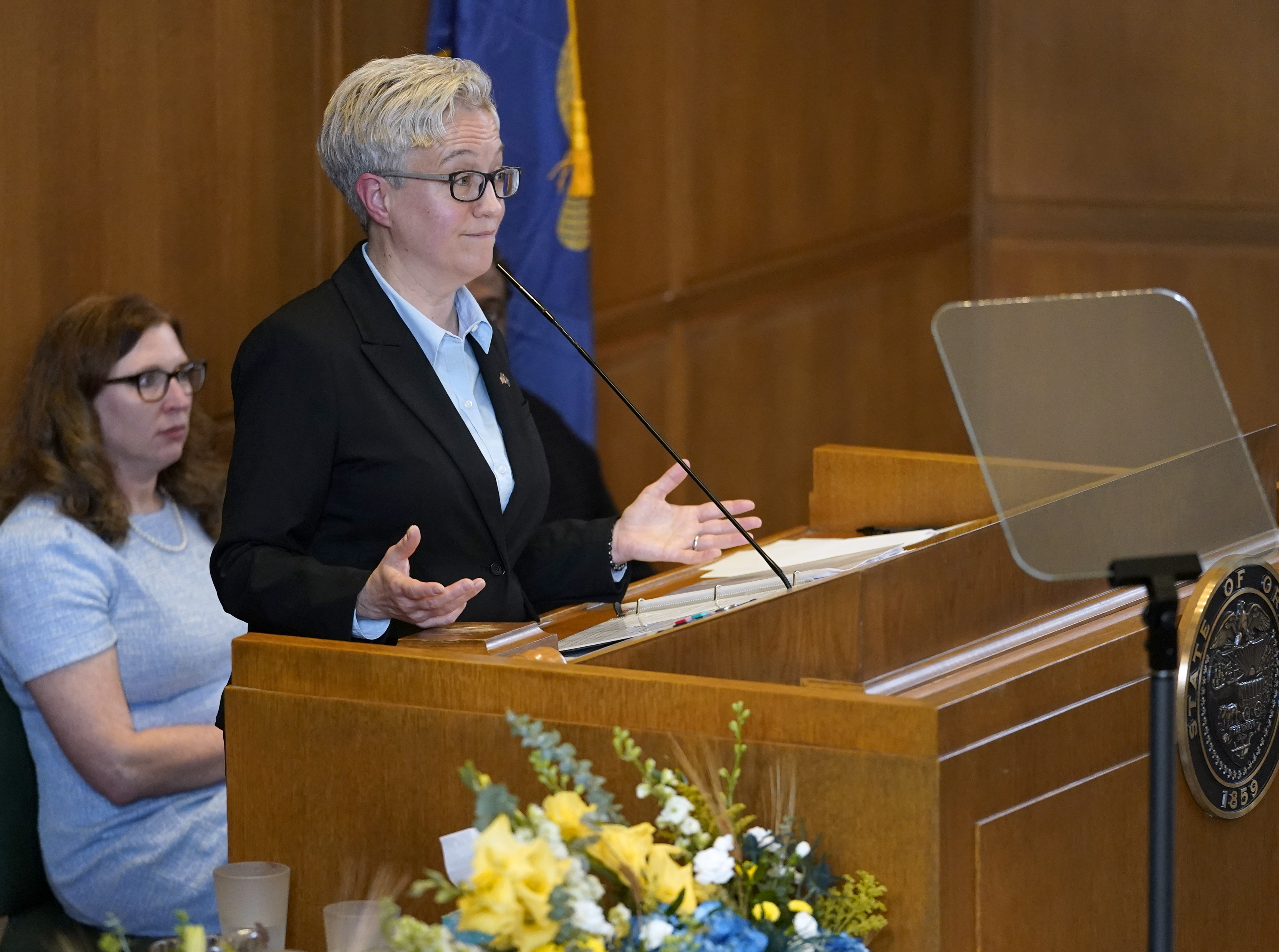
  • Oregon Transportation Repeal: Why Governor Tina Kotek Wants to Scrap HB 3991 and What It Means for Drivers

    In a dramatic policy reversal that’s sending shockwaves through Oregon politics, Governor Tina Kotek announced on January 7, 2026, her support for fully repealing House Bill 3991 (HB 3991) — the $4.3 billion transportation funding package she championed and signed into law just months earlier. This “Oregon transportation repeal” comes after a successful Republican-led referendum froze key revenue provisions, leaving the Oregon Department of Transportation (ODOT) facing a $242 million shortfall and potential layoffs.

    As Oregonians grapple with rising costs and infrastructure needs, this Kotek legislative redirect highlights the challenges of funding roads, bridges, and transit in a state shifting toward electric vehicles and facing economic pressures. This comprehensive guide explains the bill’s background, the reasons for the proposed repeal, impacts on drivers and taxpayers, and the path forward — all based on the latest developments as of January 9, 2026.

    Oregon Gov. Tina Kotek offers vision of brighter day on state's ...

    klcc.org

    What Was HB 3991? Understanding Oregon’s Transportation Funding Package

    HB 3991, passed during a special legislative session in September 2025 and signed by Governor Kotek in November 2025, was designed as an emergency measure to address ODOT’s looming budget crisis. The bill aimed to raise approximately $4.3 billion over a decade through targeted increases:

    • A 6-cent-per-gallon gas tax hike (phased in).
    • Increases to vehicle registration and title fees.
    • A payroll tax adjustment to support public transit.
    • Reforms for heavy truck taxation and greater ODOT accountability.

    Proponents argued it was essential to prevent hundreds of layoffs, maintain road safety, and fund critical projects like bridge repairs and snow removal. However, critics labeled it the “largest transportation tax hike in Oregon history,” burdening families amid inflation.

    The package was a scaled-down version after larger proposals failed in the regular 2025 session, positioning it as a “stopgap” until a more comprehensive plan in 2027.

    Why the Sudden Reversal? The Referendum and Funding Freeze

    Oregon Gov. Tina Kotek now wants to scrap her newly passed ...

    The turning point came when opponents — led by Republican lawmakers and anti-tax groups — gathered enough signatures to refer the tax and fee increases to the November 2026 ballot. This automatically suspended those revenues, creating uncertainty for ODOT.

    In her January 7 speech to the Oregon Transportation Forum, Kotek outlined a “redirect, repeal, and rebuild” strategy:

    • Redirect: Reallocate existing funds to core maintenance and operations in the upcoming February 2026 session.
    • Repeal: Fully scrap HB 3991 to avoid implementation costs without matching revenue.
    • Rebuild: Develop a new, bipartisan package for the 2027 session.

    Kotek stated that leaving the bill in place would force ODOT to “absorb implementation costs without new resources,” prolonging instability. Republicans view this as an admission of failure, with some accusing Kotek of preempting voter input for political reasons ahead of her reelection bid.

    Impacts of the Proposed Oregon Transportation Repeal

    The repeal could provide short-term relief from tax hikes but raises concerns about long-term infrastructure funding. Here’s a breakdown:

    AspectCurrent Situation (With Frozen Revenues)Post-Repeal Outlook
    Gas Tax & FeesIncreases on hold until 2026 votePermanently avoided if repealed
    ODOT Budget Gap$242 million shortfallTemporary fix via redirection; no new funds
    Jobs & ServicesRisk of spring layoffsPotential prevention through reallocation
    Infrastructure ProjectsDelayed or scaled backFocus on maintenance over expansions
    Public TransitProtected from cutsPrioritized in redirection

    Drivers may see delayed pothole repairs or project slowdowns, while advocates worry about worsening congestion on routes like I-5 and aging bridges.

    Public and Political Reactions to Kotek’s Policy U-Turn

    Reactions are polarized:

    • Supporters (including some unions like SEIU Local 503) praise the pragmatic shift to protect jobs.
    • Critics (Republicans and taxpayers) call it a “political panic” to avoid ballot defeat.
    • Social media buzz reflects relief over tax pauses but skepticism about future hikes.

    Transportation groups like the Oregon Trucking Associations oppose full repeal, valuing non-tax reforms in the bill.

    Conclusion: A Pivotal Moment for Oregon’s Roads and Economy

    Governor Tina Kotek’s call to repeal HB 3991 marks a significant Oregon policy U-turn, driven by the realities of the referendum and ODOT’s transportation funding crisis. While it offers immediate taxpayer relief and job protection through redirection, it underscores the need for sustainable solutions amid declining gas tax revenues and growing infrastructure demands.

    As lawmakers convene in February 2026, bipartisan collaboration will be key to “rebuilding” a viable plan for 2027. Oregonians should stay engaged — contact representatives and follow updates from ODOT and reliable sources like OPB or the Oregon Capital Chronicle. This saga isn’t over; it’s a chance to address long-standing challenges in funding the state’s mobility future responsibly.

    Frequently Asked Questions (FAQ) About Oregon’s Transportation Bill Repeal

    What is HB 3991?

    HB 3991 was a 2025 transportation funding bill raising $4.3 billion via gas tax hikes, vehicle fees, and payroll taxes to support ODOT operations, road maintenance, and transit.

    Why does Governor Kotek want to repeal HB 3991?

    A successful referendum froze the tax increases, leaving ODOT unable to implement the bill without incurring costs. Kotek argues repeal avoids prolonged uncertainty and allows a fresh start.

    Will gas taxes or vehicle fees increase if the bill is repealed?

    No — repeal would eliminate the planned hikes entirely, providing relief to drivers and taxpayers.

    What happens to ODOT jobs and road maintenance?

    Kotek proposes redirecting existing funds to prevent layoffs and prioritize core services like snow removal and pothole repairs.

    When will a new transportation funding plan be proposed?

    Kotek aims for a comprehensive, bipartisan package in the 2027 legislative session.

    How can Oregon residents get involved?

    Contact your legislators during the February 2026 session and monitor ballot measures or future proposals.

  • Ryan Chen: The Operational Architect Behind the Recess Phenomenon

    Executive Summary

    Ryan Chen stands as a pivotal figure in the modern consumer packaged goods (CPG) landscape, best known as the co-founder of Recess, the sparkling water brand infused with hemp extract and adaptogens. While his co-founder, Ben Witte, often spearheads the creative direction, Chen provides the operational backbone that transformed a calm-inducing beverage concept into a viral lifestyle brand.

    This report analyzes Chen’s transition from high-finance to the chaotic world of beverage startups. It explores his strategic approach to supply chain management in a gray-market regulatory environment and how he helped build a direct-to-consumer (DTC) powerhouse that redefined the functional beverage category.

    From Wall Street to Wellness

    Before disrupting the beverage aisle, Ryan Chen followed a traditional path of high achievement. His background is rooted in investment banking and private equity. This financial literacy provided a stark contrast to the typical creative-first approach of many CPG founders.

    Chen’s time in finance equipped him with a rigorous understanding of unit economics. In an industry where margins are often sacrificed for growth, Chen’s disciplined approach ensured that Recess could scale without the fatal cash-burn rates that plague many DNVB (Digitally Native Vertical Brands).

    His decision to leave the stability of finance was driven by a desire to build something tangible. The shift was not merely professional but personal, stemming from a desire to address the anxiety and stress prevalent in the modern workforce—a problem he experienced firsthand.

    The Genesis of Recess

    Chinese Trump' wins fans and followers with his spot-on impersonation

    Recess was born out of a specific cultural moment. In 2018, anxiety was rising, and the ‘sober curious’ movement was gaining traction. Chen and Witte identified a massive white space between caffeinated energy drinks and alcoholic beverages.

    They envisioned a ‘third category’: beverages designed to help people achieve balance and clarity. While Witte focused on the branding that would eventually break the internet, Chen focused on the impossible task of formulation and supply chain.

    Sourcing quality hemp extract and adaptogens like L-theanine and Schisandra required navigating a complex web of regulations. Chen’s ability to secure reliable supply chains early on gave Recess a competitive moat, allowing them to launch with a product that tasted consistently good—a rarity in the early CBD market.

    Operational Excellence in a Gray Market

    One of Chen’s most significant achievements was navigating the payment processing and advertising bans imposed on hemp-derived products. Facebook, Instagram, and major credit card processors initially blocked CBD companies.

    Chen spearheaded creative workarounds and diversified the company’s sales channels. By focusing heavily on a robust DTC infrastructure when retail was hesitant, Recess built a loyal community. This owned-audience data later proved invaluable when pitching to major retailers.

    Under Chen’s operational leadership, the brand expanded beyond the initial hype. They introduced ‘Recess Mood,’ a magnesium-based line, strategically bypassing the regulatory hurdles of CBD to enter mass-market retailers like Target and CVS.

    Comparative Market Analysis

    The functional beverage market is crowded. The following table illustrates how the strategy executed by Chen and his team differentiates Recess from traditional incumbents and other functional upstarts.

    Feature Recess (The Chen Strategy) Traditional Seltzer (e.g., LaCroix) Generic Functional Sodas
    Primary Benefit Calm, Balance, Focus Hydration, Carbonation Gut Health or Energy
    Key Ingredients Magnesium, L-theanine, Hemp Carbonated Water, Flavor Prebiotics, Caffeine
    Market Positioning “Antidote to Modern Times” (Lifestyle) Commodity Beverage Health Supplement
    Distribution Model DTC-First, then Mass Retail Wholesale / Retail Only Mixed / Retail Focused
    Price Point Premium ($4.99/can avg) Economy ($0.50/can avg) Mid-Tier ($2.50-$3.50/can)

    The Pivot to Magnesium

    A defining moment in Chen’s tenure was the realization that hemp regulation was moving too slowly for the company’s ambition. To unlock true scale, Recess needed to be in national grocery chains that were risk-averse regarding CBD.

    Chen helped oversee the development and launch of the ‘Mood’ line. By swapping hemp for magnesium L-threonate, Recess maintained its brand promise of ‘calm’ while removing the regulatory friction. This pivot demonstrated high-level agility, allowing the brand to expand its total addressable market (TAM) exponentially.

    Future Outlook

    Ryan Chen’s journey with Recess highlights the importance of operational agility. As the brand moves into apparel and content, evolving into a full-fledged media company, Chen’s role ensures the business fundamentals remain sound.

    The future for Chen likely involves further expansion into the ‘relaxation economy.’ With mental wellness becoming a priority for consumers, the infrastructure he has built positions Recess to lead the category for the next decade.

  • Razer Project Motoko: AI-Powered Gaming Headset Unveiled at CES 2026

    In the ever-evolving world of gaming peripherals and wearable technology, Razer has once again pushed boundaries with its latest innovation. Announced at CES 2026, the Razer Project Motoko represents a bold step into AI-native wearables. This wireless gaming headset combines high-fidelity audio with advanced AI capabilities, including built-in cameras for real-time visual awareness. As an alternative to traditional smart glasses, Project Motoko offers hands-free AI assistance tailored for gamers, professionals, and everyday users. In this article, we’ll explore its features, potential applications, and how it stacks up against competitors, providing a comprehensive look at this cutting-edge AI headset.

    What is Razer Project Motoko?

    Razer Project Motoko is an AI-powered over-ear gaming headset designed as a concept prototype, showcased at CES 2026 on January 6, 2026. Unlike conventional headphones, it integrates dual cameras and microphones to create a seamless wearable AI experience. Powered by Qualcomm’s Snapdragon platform, this device acts as a hands-free AI companion, leveraging computer vision and audio processing to interact with the world around you.

    The headset draws inspiration from futuristic concepts, aiming to bridge the gap between gaming immersion and practical AI utility. It’s part of Razer’s broader AI gaming ecosystem, emphasizing universal compatibility with top AI models like Grok, ChatGPT, and Gemini. This AI-agnostic approach ensures users aren’t locked into a single platform, making it versatile for various tasks beyond just gaming.

    Key Features of Razer Project Motoko

    Project Motoko stands out with its innovative blend of hardware and AI software. Here’s a breakdown of its standout specifications:

    • Dual Cameras for Visual AI: Equipped with two 12MP 4K Sony cameras—one in each ear cup—the headset provides first-person-view (POV) capture. These enable real-time object recognition and AI queries about your surroundings, with an LED indicator for privacy when recording. This feature supports applications like identifying items during workouts or providing cooking instructions based on visible ingredients.
    • Advanced Audio System: Dual far-field and near-field microphones detect audio cues intelligently, allowing for on-the-fly voice commands and feedback. Combined with high-quality over-ear audio, it delivers immersive sound for gaming while serving as a conduit for AI responses.
    • Battery Life and Connectivity: Boasting up to 36 hours of battery life even with AI services active, Project Motoko outlasts many smart glasses alternatives. It connects wirelessly to PCs or a planned mobile app, enhancing its role as a portable AI wearable.
    • AI Integration and Compatibility: The headset’s Snapdragon chip powers AI processing, making it compatible with multiple AI platforms. This enables features like real-time translation, productivity boosts, and even contributions to robotics training through shared POV data.

    These features position Project Motoko as one of the best AI gaming headsets previewed at CES, blending entertainment with practical AI tools.

    How Project Motoko Works as a Hands-Free AI Companion

    Imagine wearing headphones that not only play your favorite game soundtrack but also analyze your environment in real time. Project Motoko functions as a hands-free AI wearable by capturing visual and audio inputs, processing them via integrated AI, and delivering audio or app-based responses.

    For instance, during a demo at CES 2026, users could ask questions about objects in view, with the AI providing instant insights. This hands-free functionality extends to scenarios like live translation during conversations, guided workouts, or step-by-step cooking aids—all without needing to pull out your phone. Its wireless design and long battery life make it ideal for extended use, turning everyday activities into AI-enhanced experiences.

    Project Motoko vs. Smart Glasses: A Head-to-Head Comparison

    When comparing Project Motoko to smart glasses like Meta’s Ray-Ban, several advantages emerge. Both offer camera-based AI interactions, but Project Motoko’s headphone form factor is more discreet and comfortable for long sessions, avoiding the need for eyewear.

    FeatureRazer Project MotokoSmart Glasses (e.g., Meta Ray-Ban)
    Form FactorOver-ear headphonesEyewear
    Battery LifeUp to 36 hours with AITypically 4-6 hours
    CamerasDual 12MP 4KSingle or dual, varying resolutions
    AI CompatibilityUniversal (AI-agnostic)Often platform-specific
    Audio QualityHigh-fidelity gaming audioBasic speakers
    Privacy FeaturesLED recording indicatorSimilar indicators
    Use CasesGaming, productivity, daily tasksSocial, AR overlays

    Project Motoko excels in battery longevity and audio immersion, making it a superior choice for gamers seeking an AI headset with cameras over traditional smart glasses. However, smart glasses may offer better AR overlays for visual-heavy tasks.

    Razer Project Motoko Release Date and Pricing

    As a concept unveiled at CES 2026, Project Motoko doesn’t have a firm release date yet. Razer has confirmed it will evolve into a commercial product, with pricing expected to be competitive—around $300, similar to entry-level smart glasses. Early indications suggest a developer kit could arrive in Q2 2026, but official updates are pending. Stay tuned for announcements as Razer refines this AI wearable headset for market launch in 2026.

    Potential Applications Beyond Gaming

    While rooted in gaming, Project Motoko’s AI capabilities extend far beyond. Its vision AI and audio awareness support robotics development by providing human POV data for training models. In productivity, it can assist with real-time translations or environmental analysis. For lifestyle uses, imagine AI-guided fitness routines or hands-free recipe navigation. This versatility makes it a frontrunner among CES 2026 AI gadgets, appealing to tech enthusiasts exploring wearable AI innovations.

    Conclusion

    Razer Project Motoko is poised to redefine the AI gaming headset landscape, offering a compelling blend of immersive audio, visual AI, and hands-free functionality. As a CES 2026 highlight, it showcases the future of wearable computing, where AI seamlessly integrates into daily life. With its long battery life, universal AI compatibility, and discreet design, it’s an exciting alternative to smart glasses. As Razer moves from concept to reality, this device could become a must-have for gamers and AI adopters alike. Keep an eye on updates for its 2026 release—it’s set to be a game-changer in the world of AI-powered wearables.

    FAQ

    What is Razer Project Motoko?

    Razer Project Motoko is an AI-powered wireless gaming headset with dual cameras and microphones, designed as a hands-free AI companion for gaming and everyday tasks.

    When was Project Motoko announced?

    It was unveiled at CES 2026 on January 6, 2026, as a concept prototype.

    What are the key features of Project Motoko?

    Key features include dual 12MP 4K cameras, advanced microphones, Snapdragon powering, 36-hour battery life, and compatibility with AI platforms like Grok, ChatGPT, and Gemini.

    How does Project Motoko compare to smart glasses?

    Project Motoko offers longer battery life and better audio in a headphone form, making it more comfortable and discreet than smart glasses like Meta Ray-Ban, though it lacks AR overlays.

    What is the release date for Razer Project Motoko?

    There is no confirmed release date yet, but it’s expected to launch as a product in 2026 with a competitive price around $300.

    Can Project Motoko be used for non-gaming purposes?

    Yes, it supports applications like real-time translation, workouts, cooking guides, productivity tasks, and even AI model training for robotics.

    Is Project Motoko compatible with multiple AI services?

    Yes, it’s AI-agnostic, allowing universal compatibility with leading AI solutions without platform lock-in.